Design's love affair with craft continues apace in 2026, with a plethora of installations and shows. This significant presence is indicative of the increased importance placed on process, artisanal making and the intersection of design and collectible art.
The global handicrafts market worth reached USD 906.8 billion in 2024. Looking ahead, this is forecast to reach USD 1.94 trillion by 2033, exhibiting a growth rate (CAGR) of 8.83 per cent between 2025-2033. (1) Demand for handmade products with provenance and a story to tell has been bolstered by e-commerce platforms, which allow artisans to connect directly with consumers.
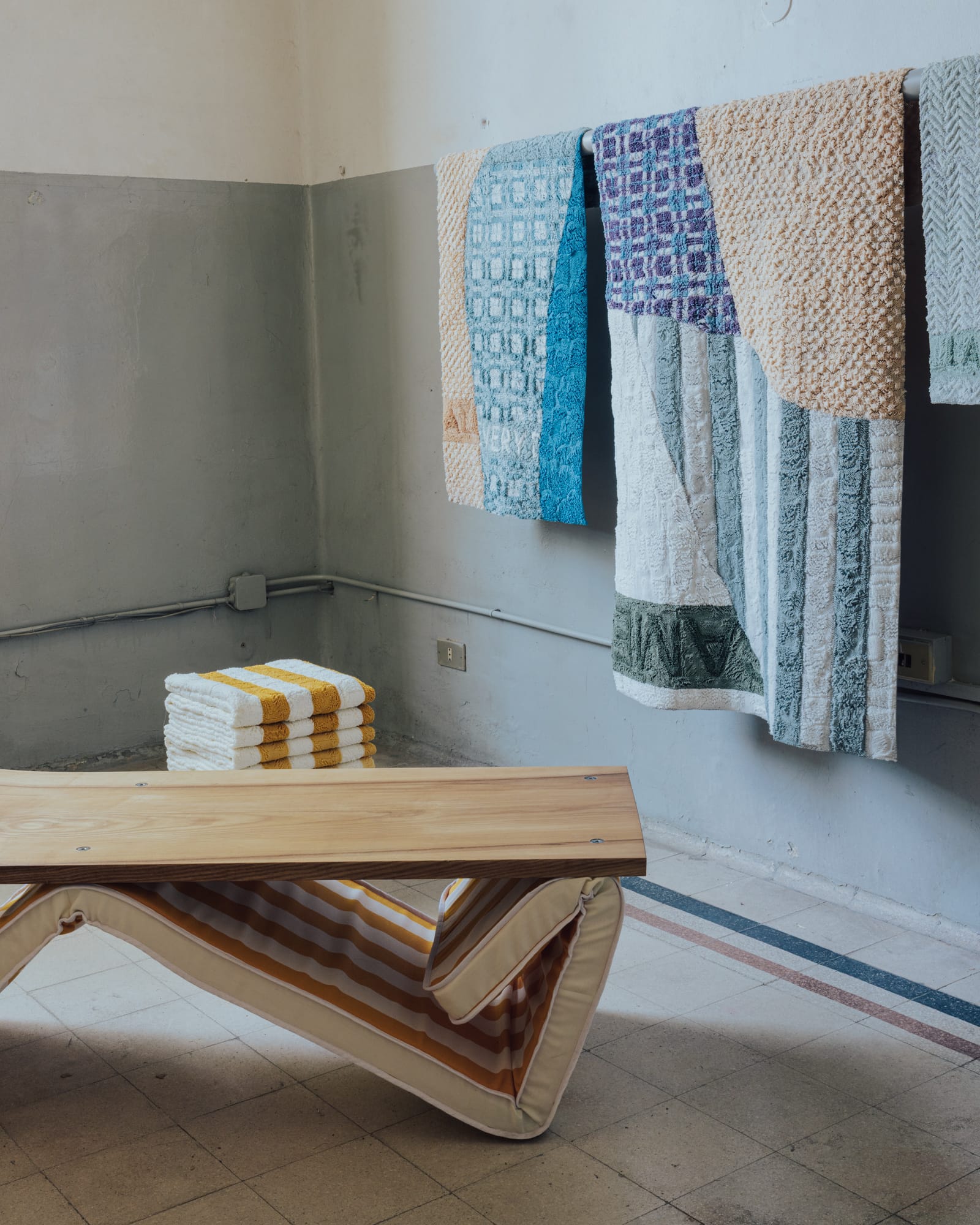
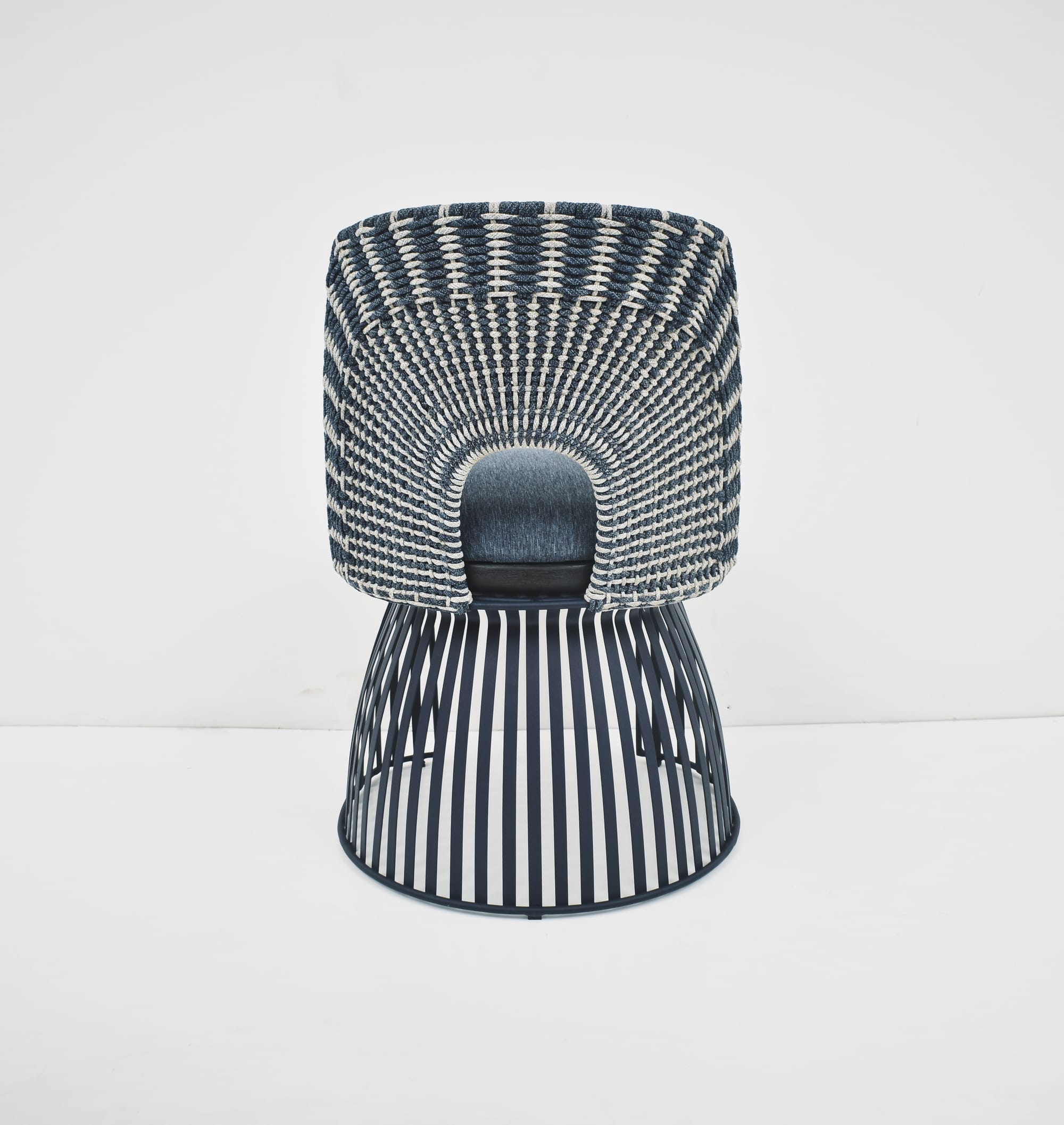
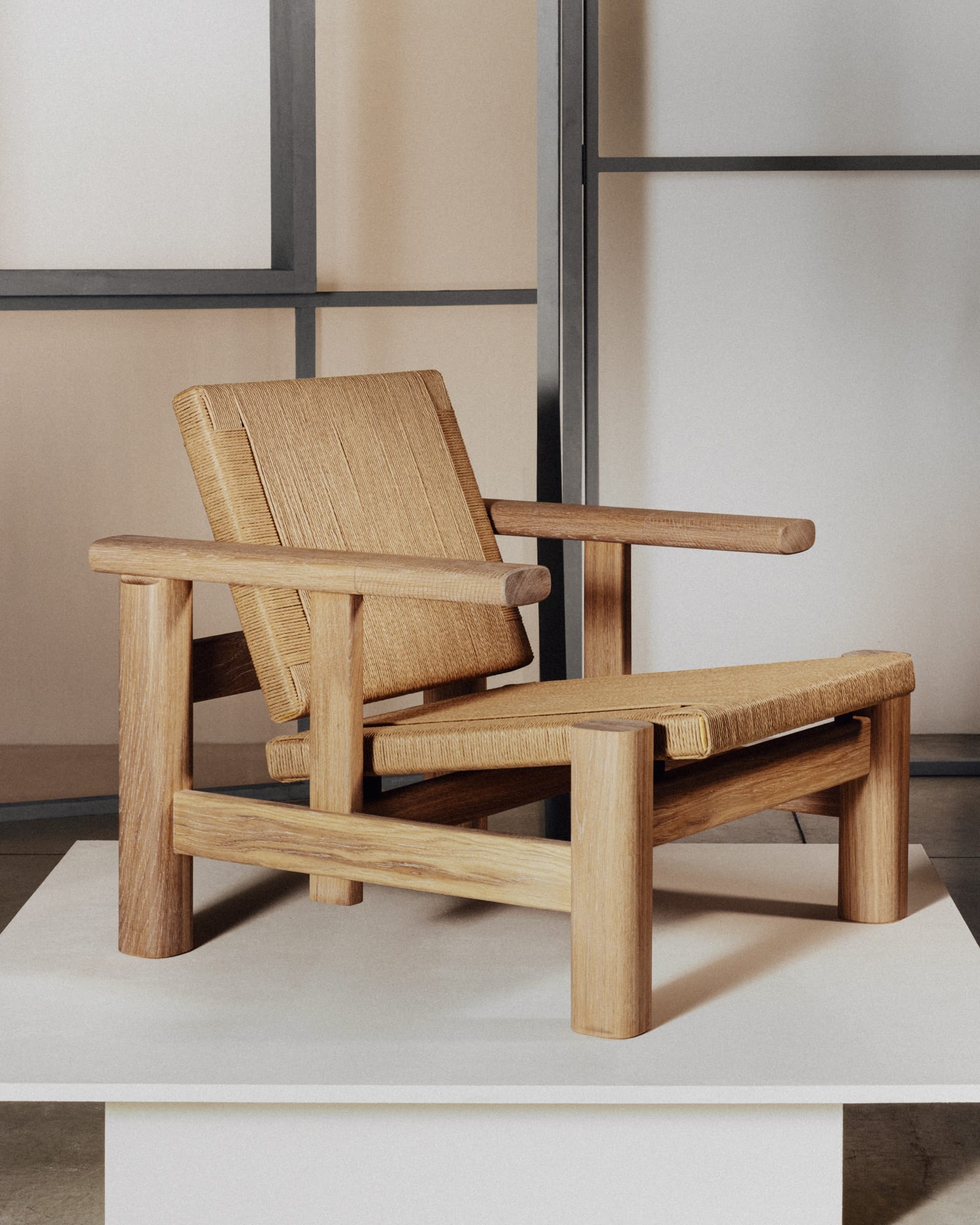
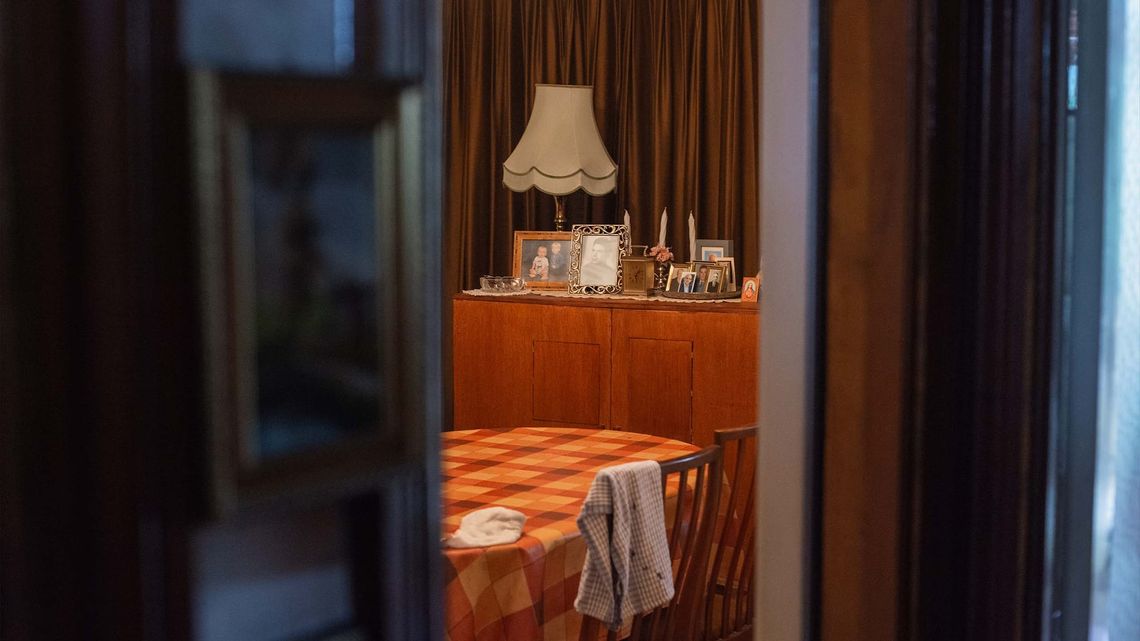
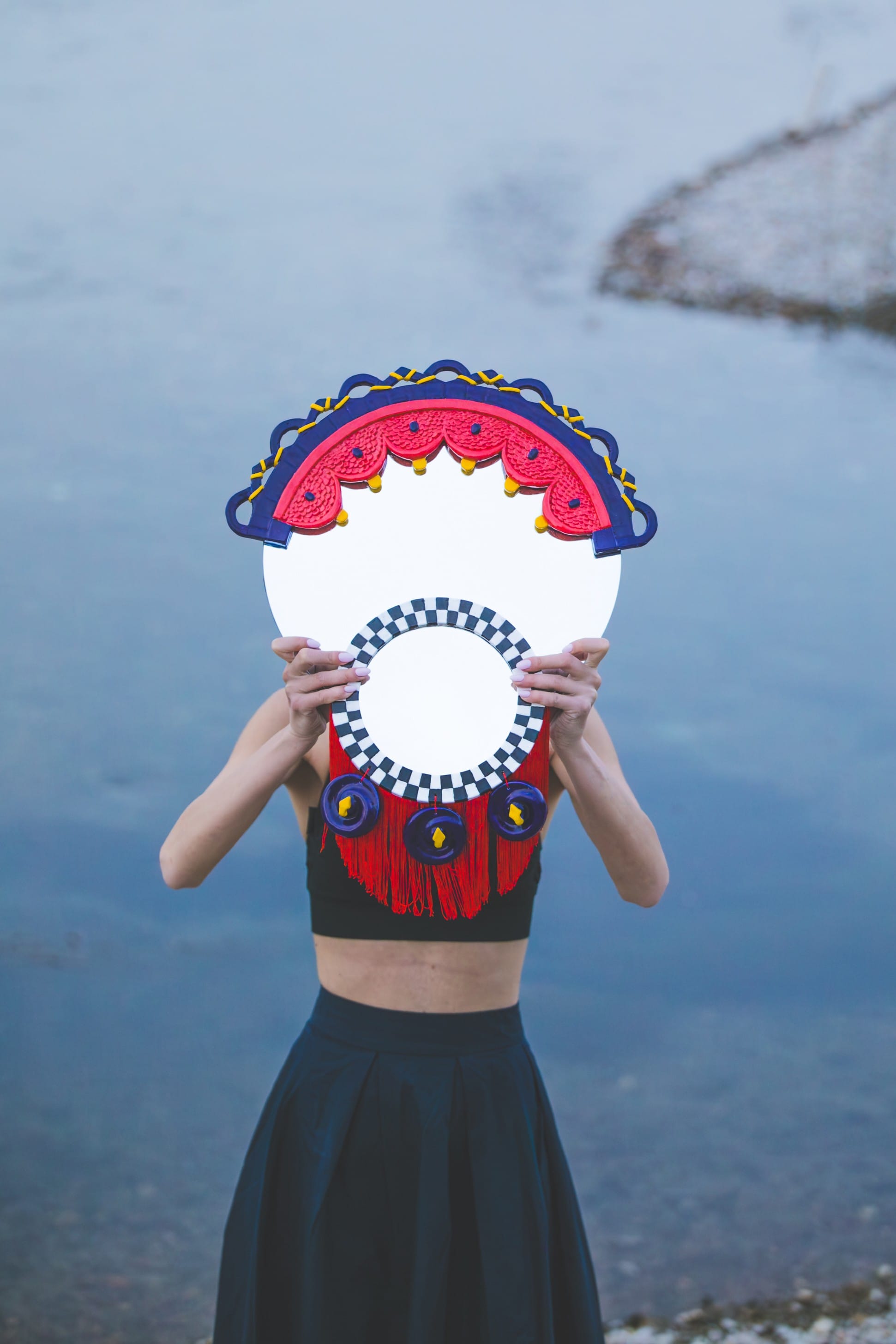
Left: Laura Dominici x Basil Schu, Boredom In Paradise. Centre: Mergrath Design. Right: Zanat.
Social media has become a place for craftspeople to share their process, with makers often attracting vast numbers of followers. Craft is also increasingly linked with environmental responsibility, a virtuous alternative to mass-produced, synthetic products made from petrochemicals and in many cases swiftly destined for landfill. Handicrafts typically tend to make use of natural materials and generate less waste.
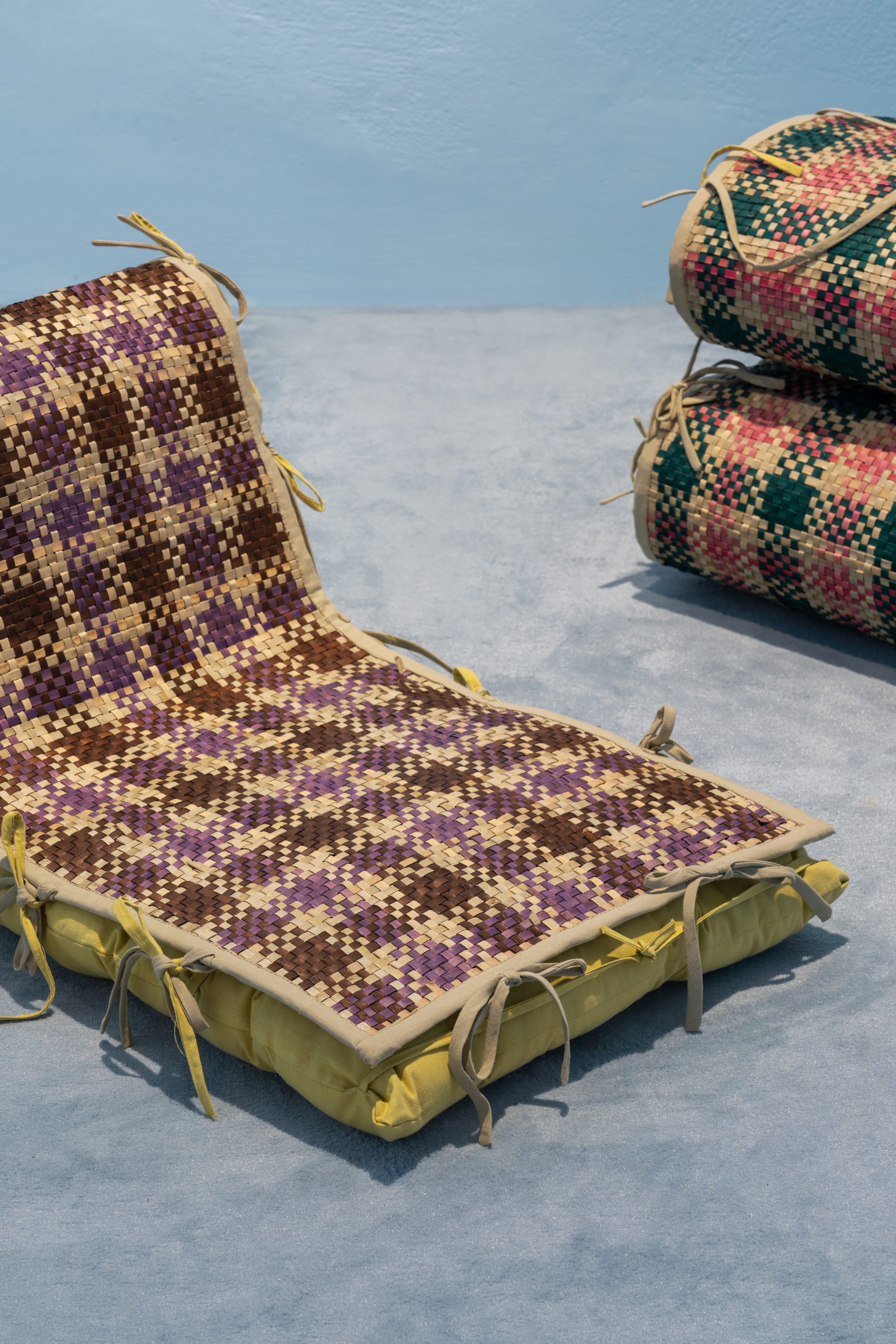
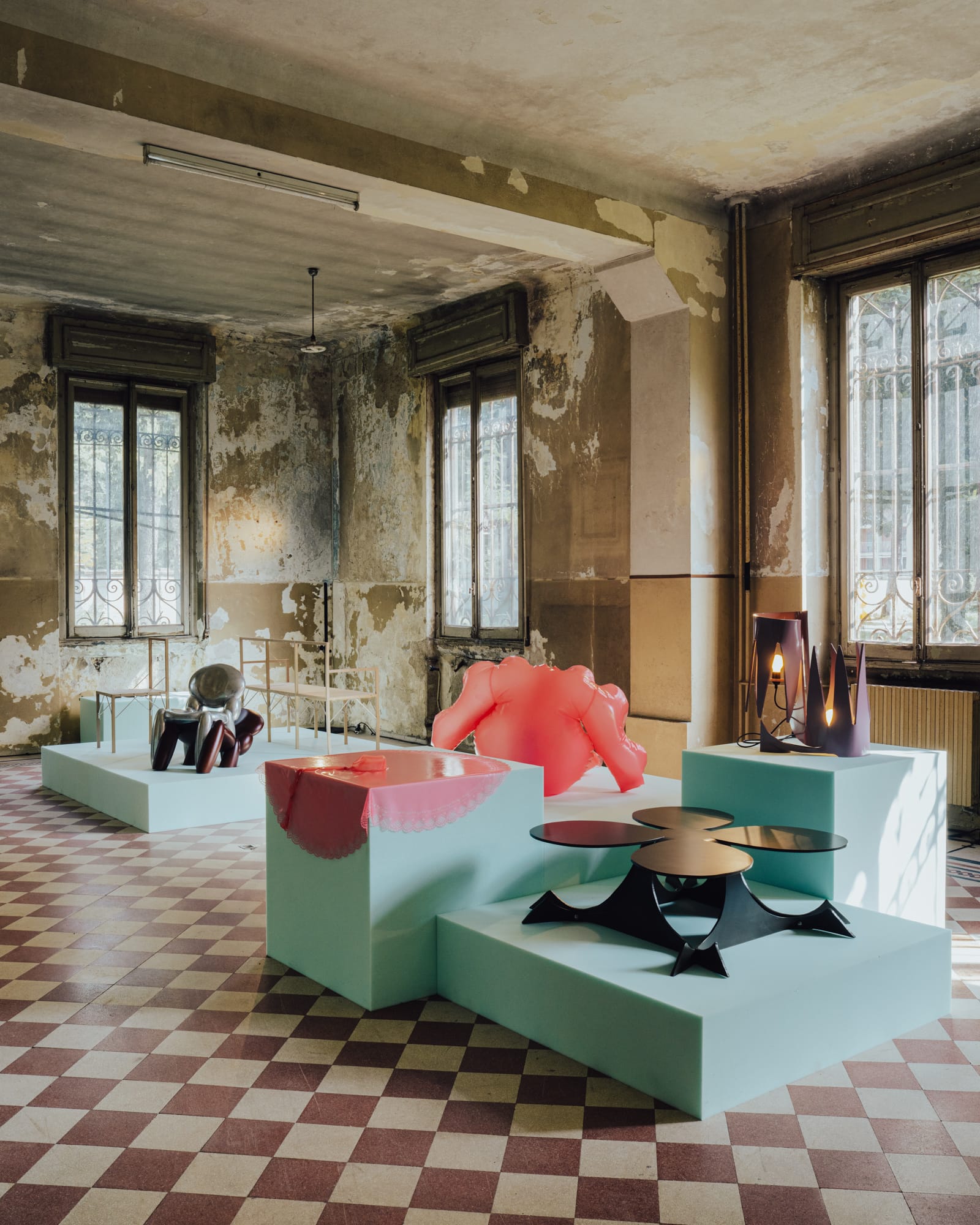
Left: Pro Helvetia, Shared Matter. Photo @Agnese Bedini @DSL Studio.Centre: Marlisa Marasco. Right: The Centre For Creativity, Museum Of Architecture And Design Slovenia, House of Creatures.
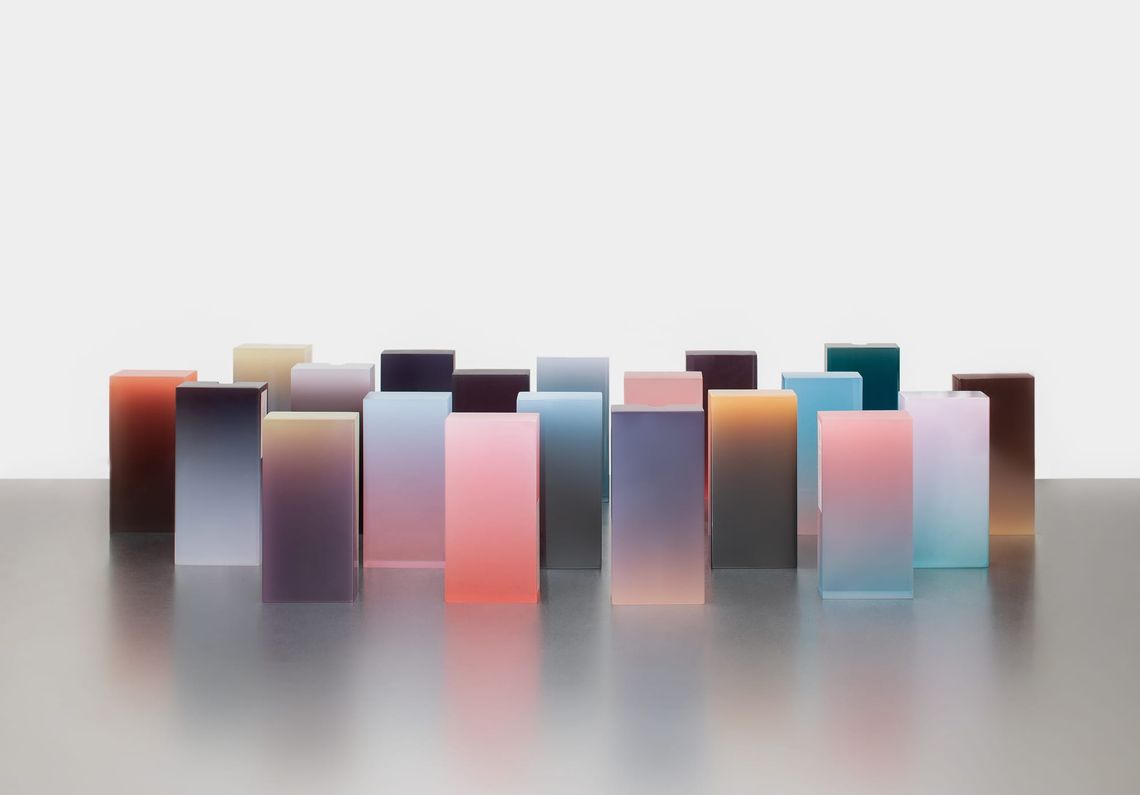
Craft is now a powerful way to signal luxury. In a world where everything can be perfectly replicated by machine, the marks of handcraft and the implicit understanding of the sheer hours required to make an object lend it extra cachet. We see this with Faye Toogood’s collaboration with Tacchini. Material Anthology was the designer's love letter to the power of craft. Likewise, Mergrath presented Crafting Contours at Salone Satellite, exploring shapes evolved from nature and patination. Zanat's collection was called 'Between hand and mind,' celebrating the use of human hands and cultural memory. Also at Salone Satellite, Marlisa Marasco drew inspiration from Mediterranean craft for her narrative-driven objects.
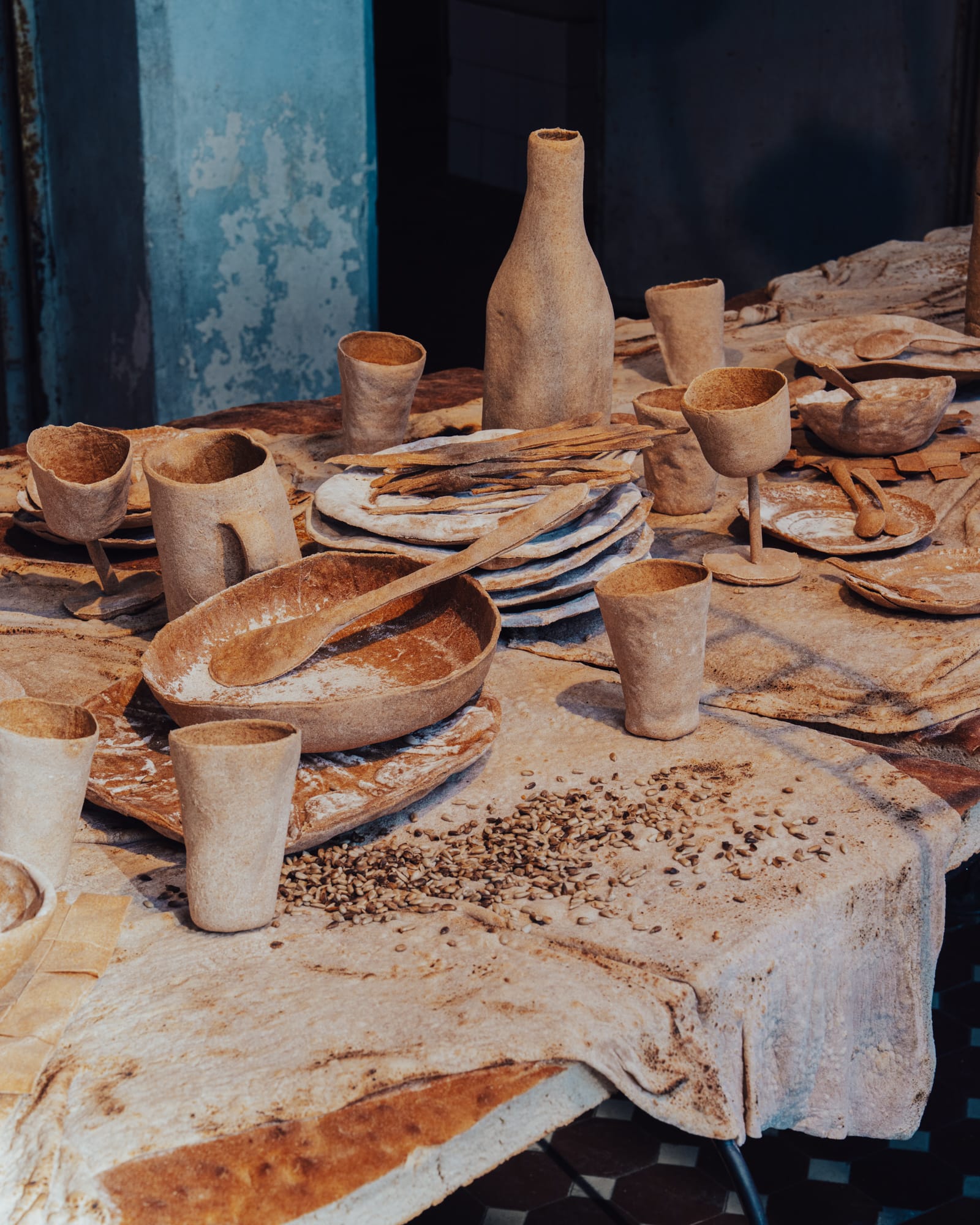
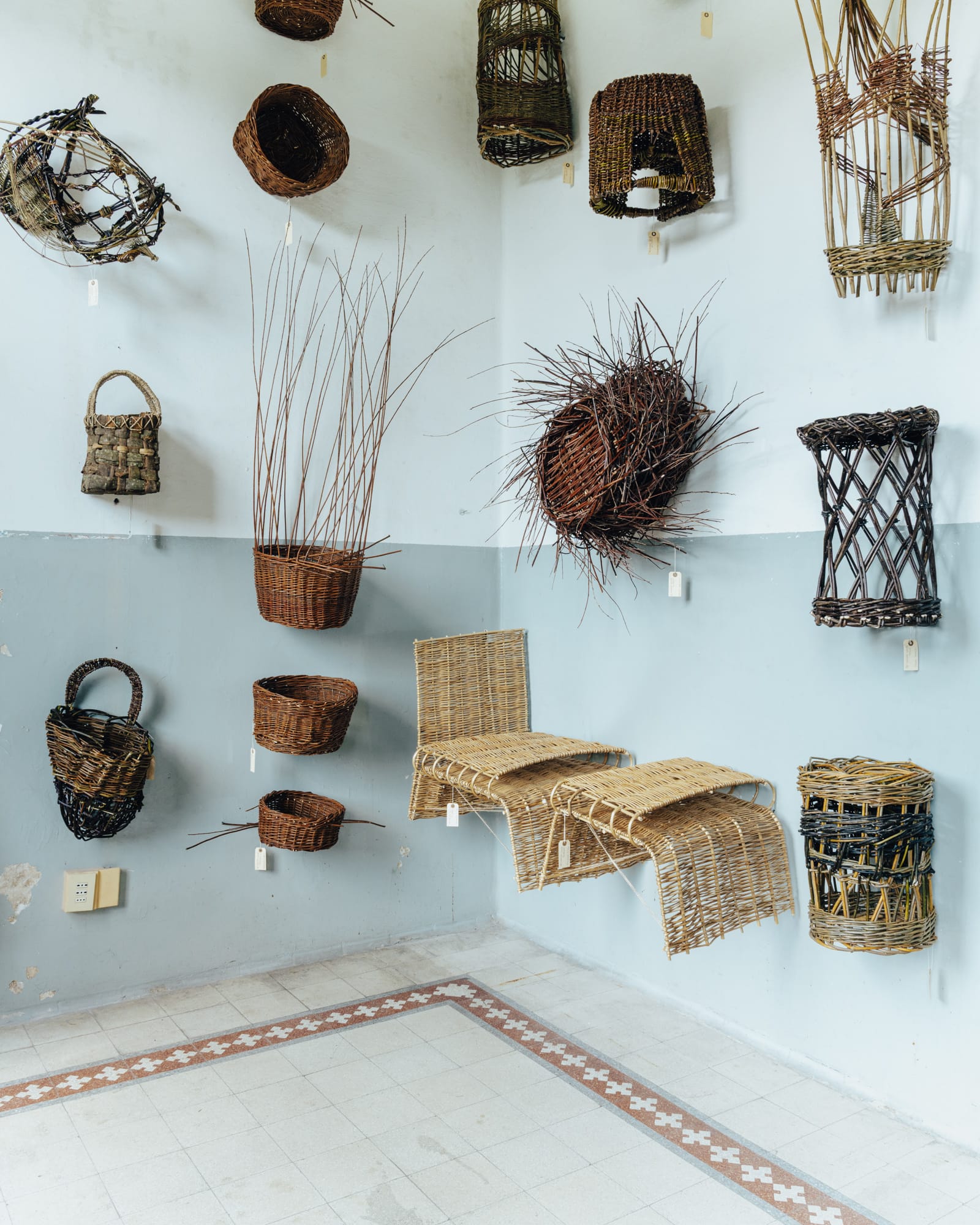
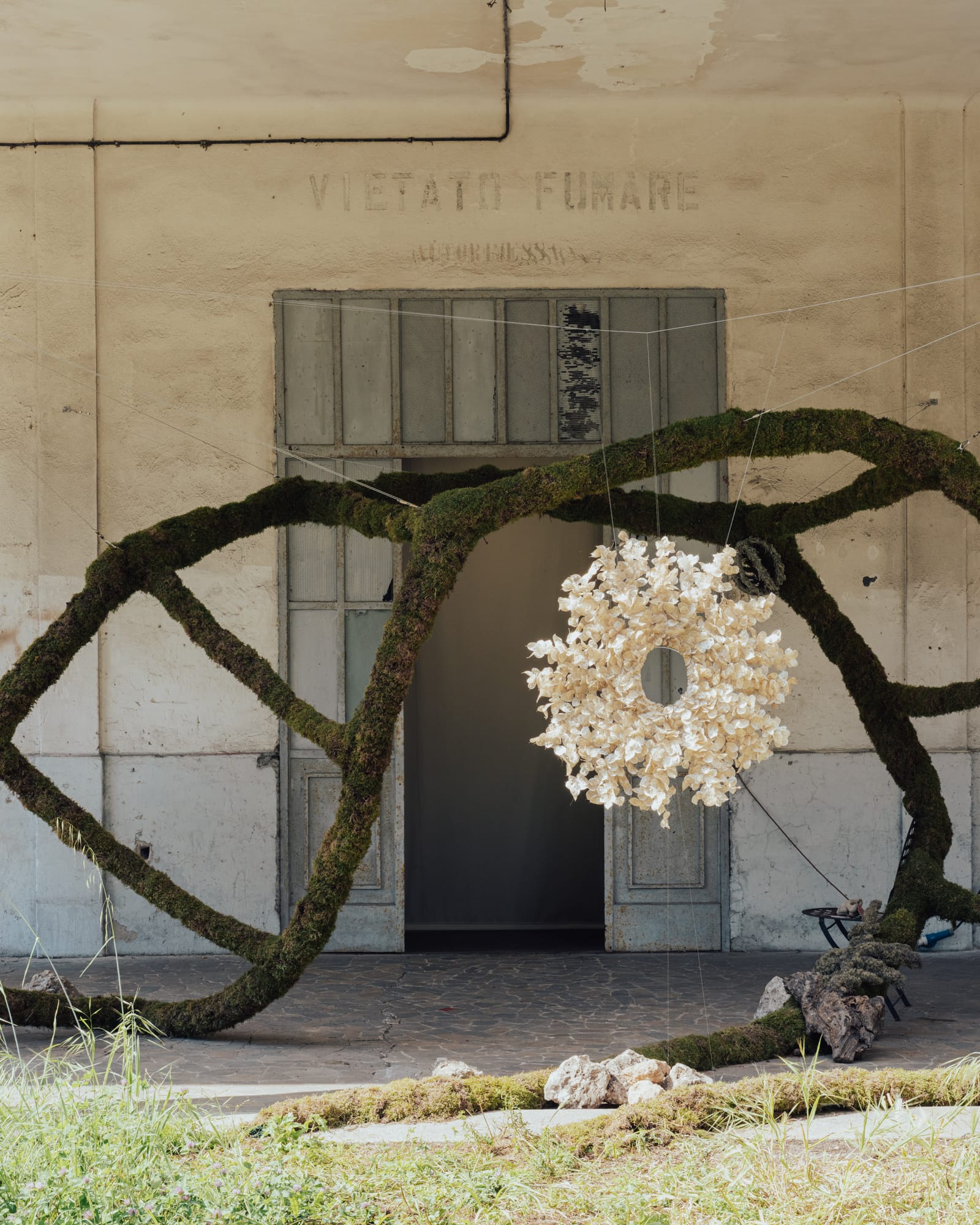
Left: HEAD-Genève, No One Sees Them Like We Do: Notes on Animal Interiors. Photo © Piergiorgio Sorgetti. Centre: University of The Arts Bremen, Farm to Form to Fair. Right: Caecilia Rebbe X Laurenz Ben Marsau, Natura Obscura.
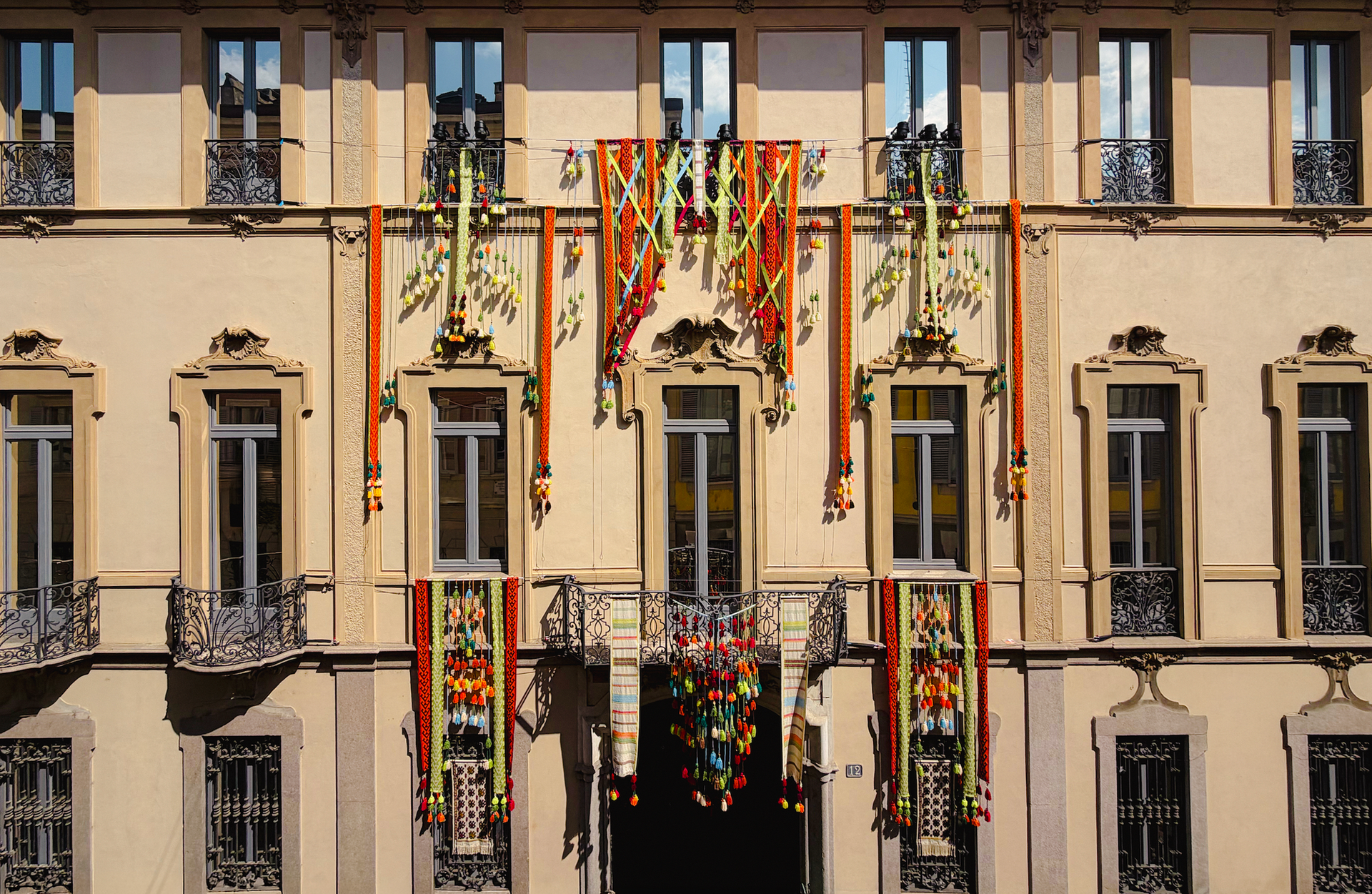
Other designers are working with craftspeople from around the world, showcasing their skill. We saw this with the work of Vera Roggli and Filipino designer Julia Villamonte at Shared Matter presented by Swiss Arts Council Pro Helvetia. Sapin-Sapin reinterprets traditional mats made from karagumoy leaves woven by local weaving communities in the Philippines. And the Uzbekistan Art & Culture Foundation’s exhibition When Apricots Blossom paired 12 contemporary designers with Uzbek artisans.
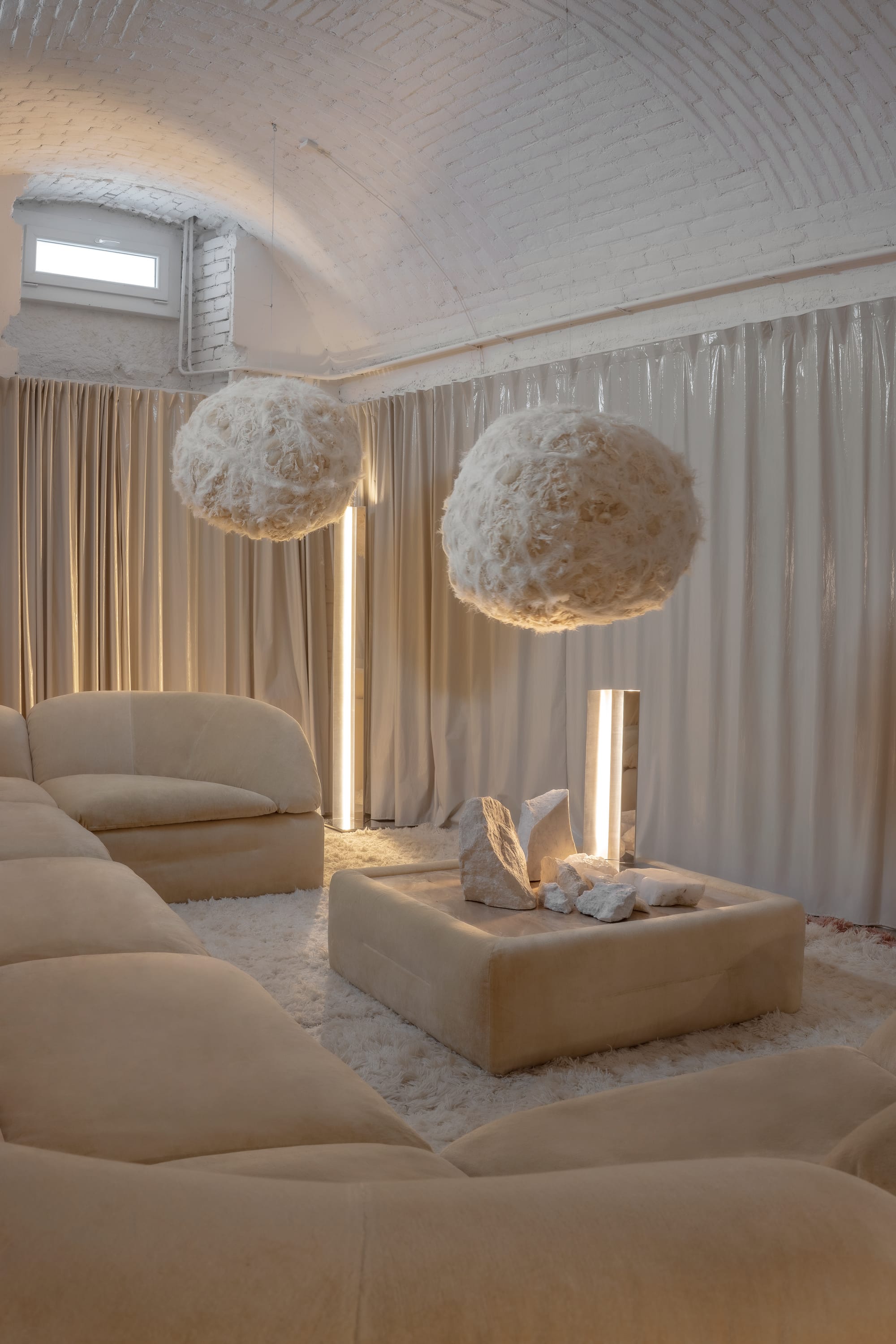
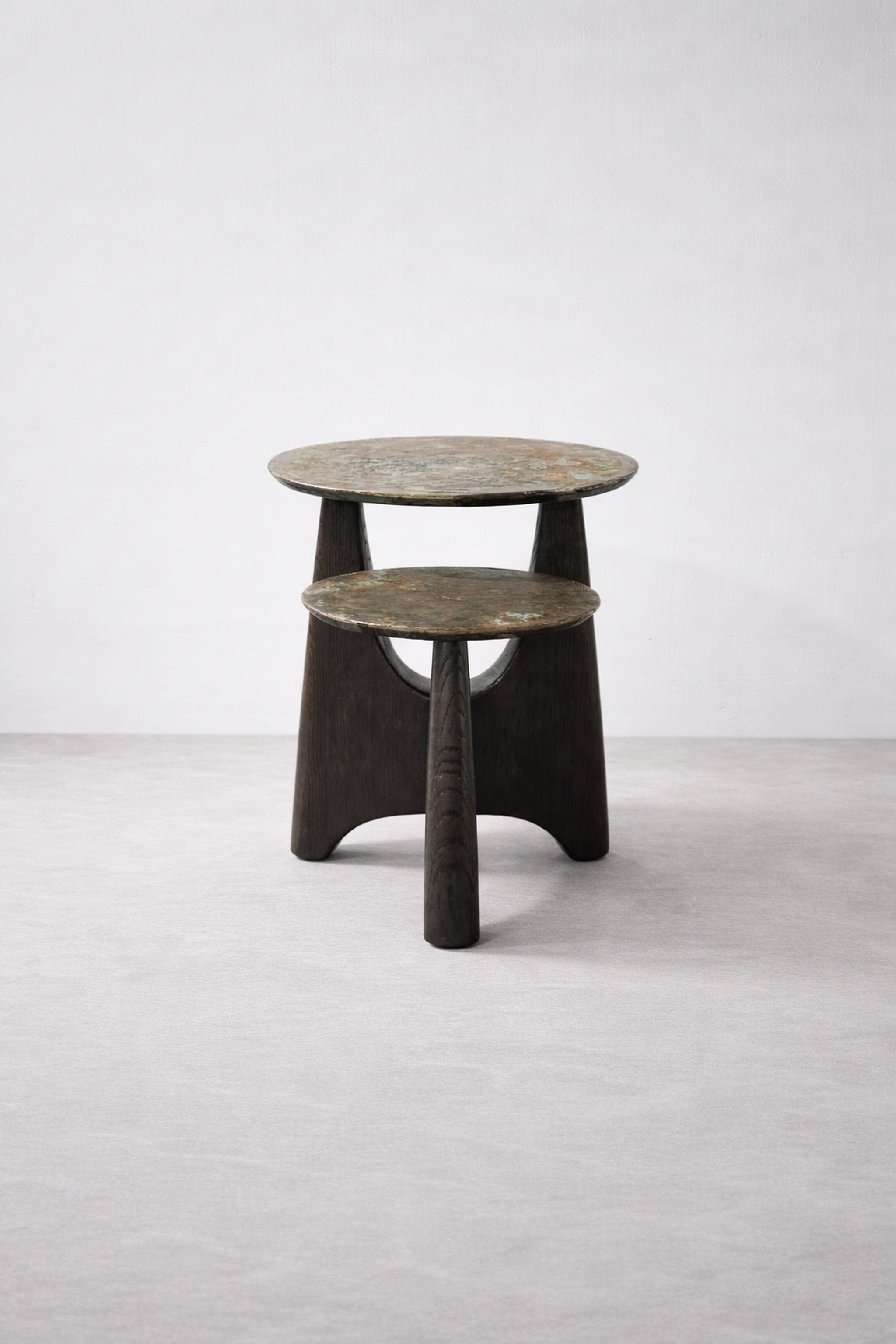
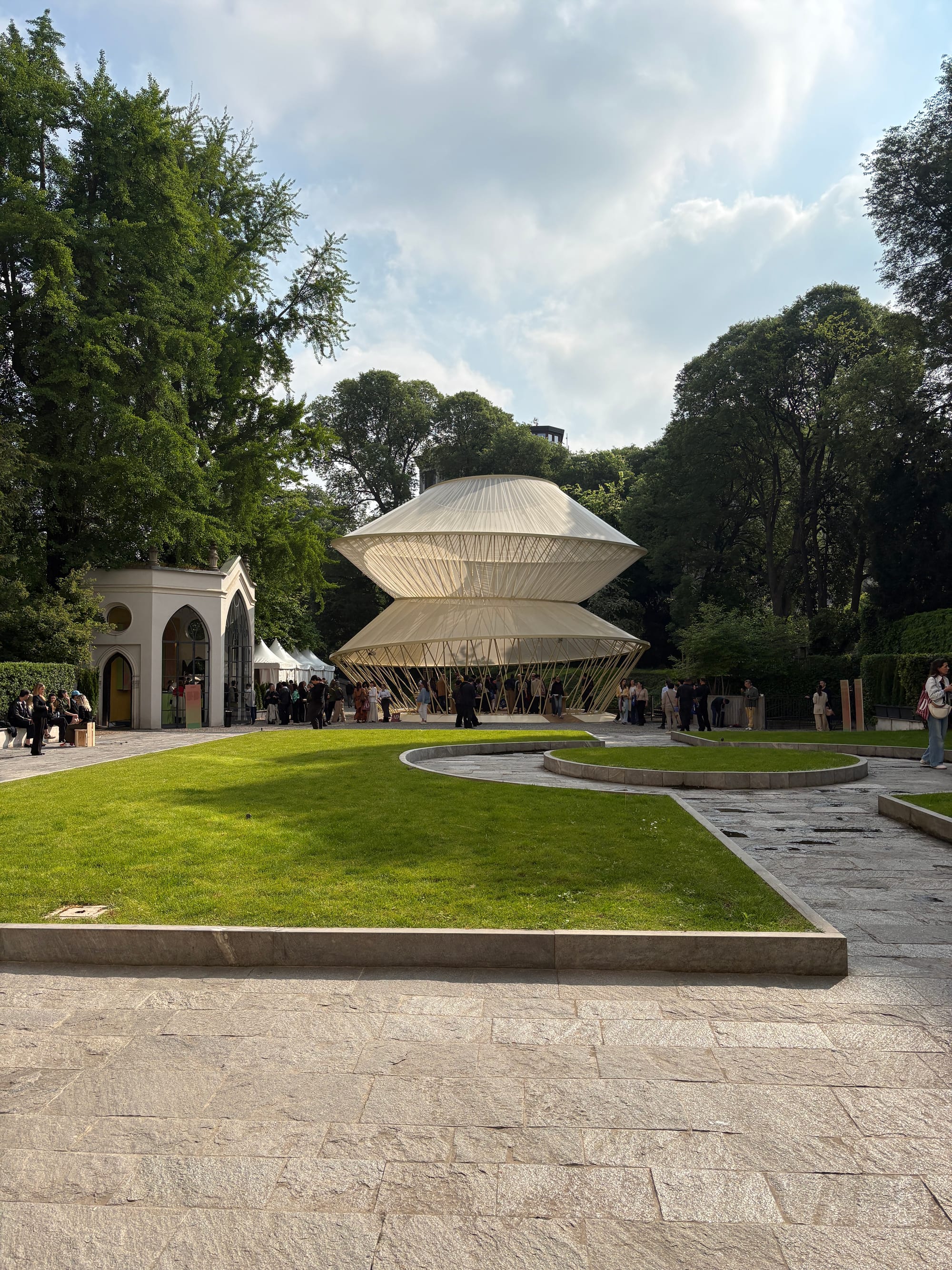
Left: Faye Toogood x Tacchini. Centre: Mergrath Design. Right: Uzbekistan Art & Culture Foundation, When Apricots Blossom.
During Milan Design Week, Alcova had a particularly strong showing of projects that blended craft with contemporary design. At HEAD-Genève, No One Sees Them Like We Do: Notes on Animal Interiors featured an entire dinner set made from bread. Then there was Natura Obscura, an immersive floral installation by Caecilia Rebbe x Laurenz Ben Marsau, and the students at the University of the Arts Bremen, who filled a room with basket weaving. Laura Dominici x Basil Schu’s installation Boredom In Paradise featured patchwork quilts, while House of Creatures, from the Centre For Creativity, Museum Of Architecture And Design Slovenia brought together a raft of different design ideas that merged craft with contemporary design practices.
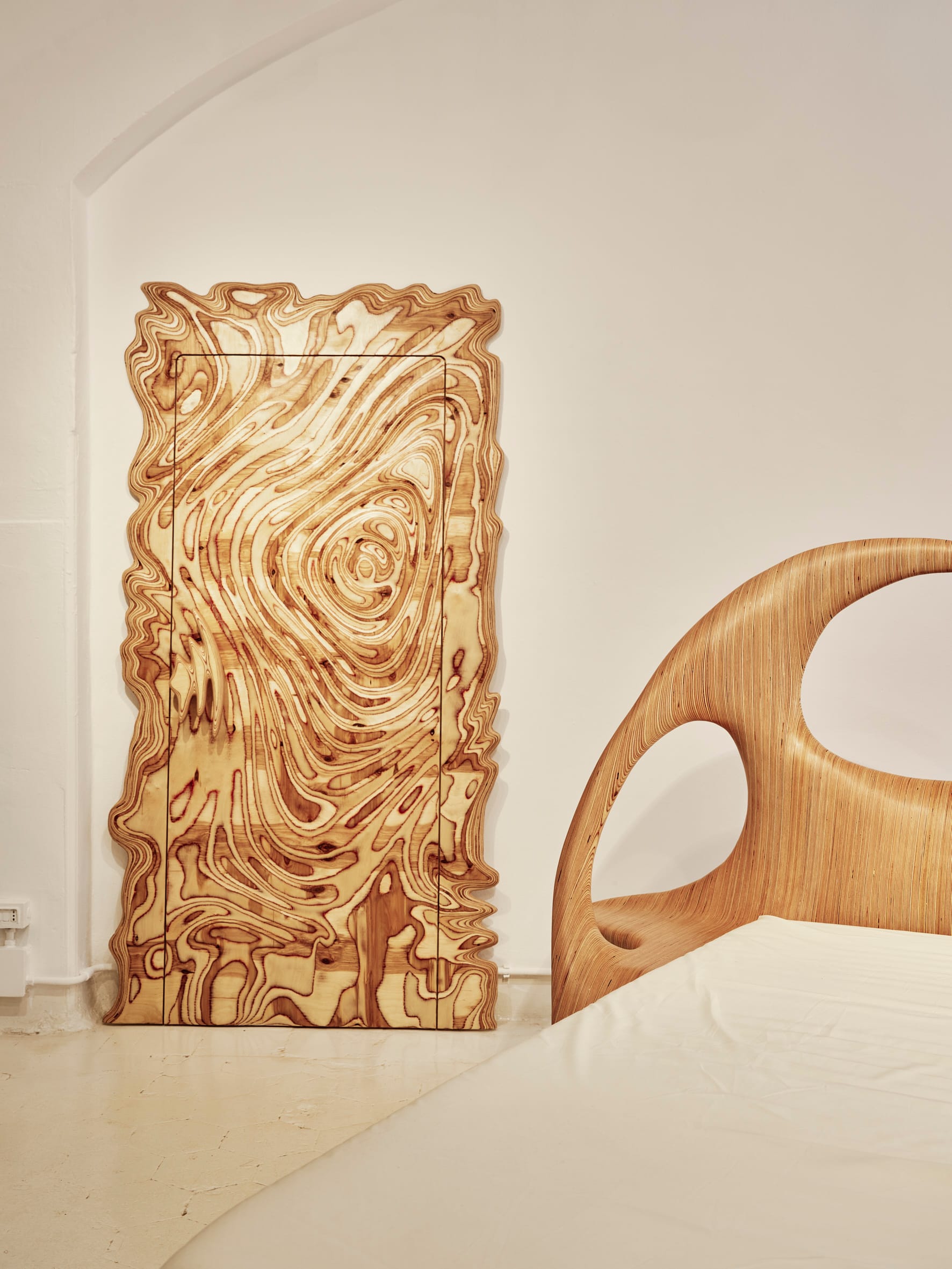
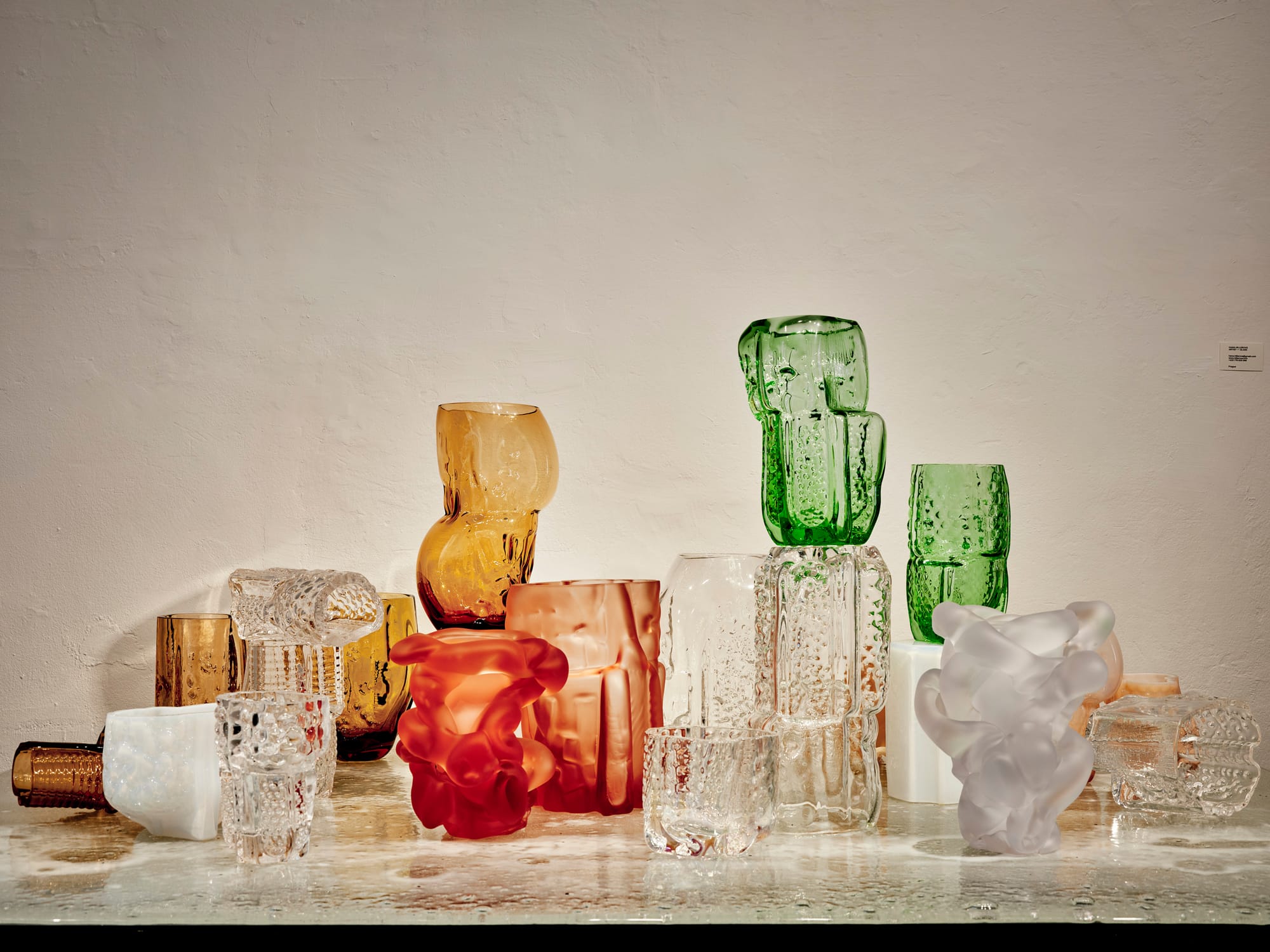
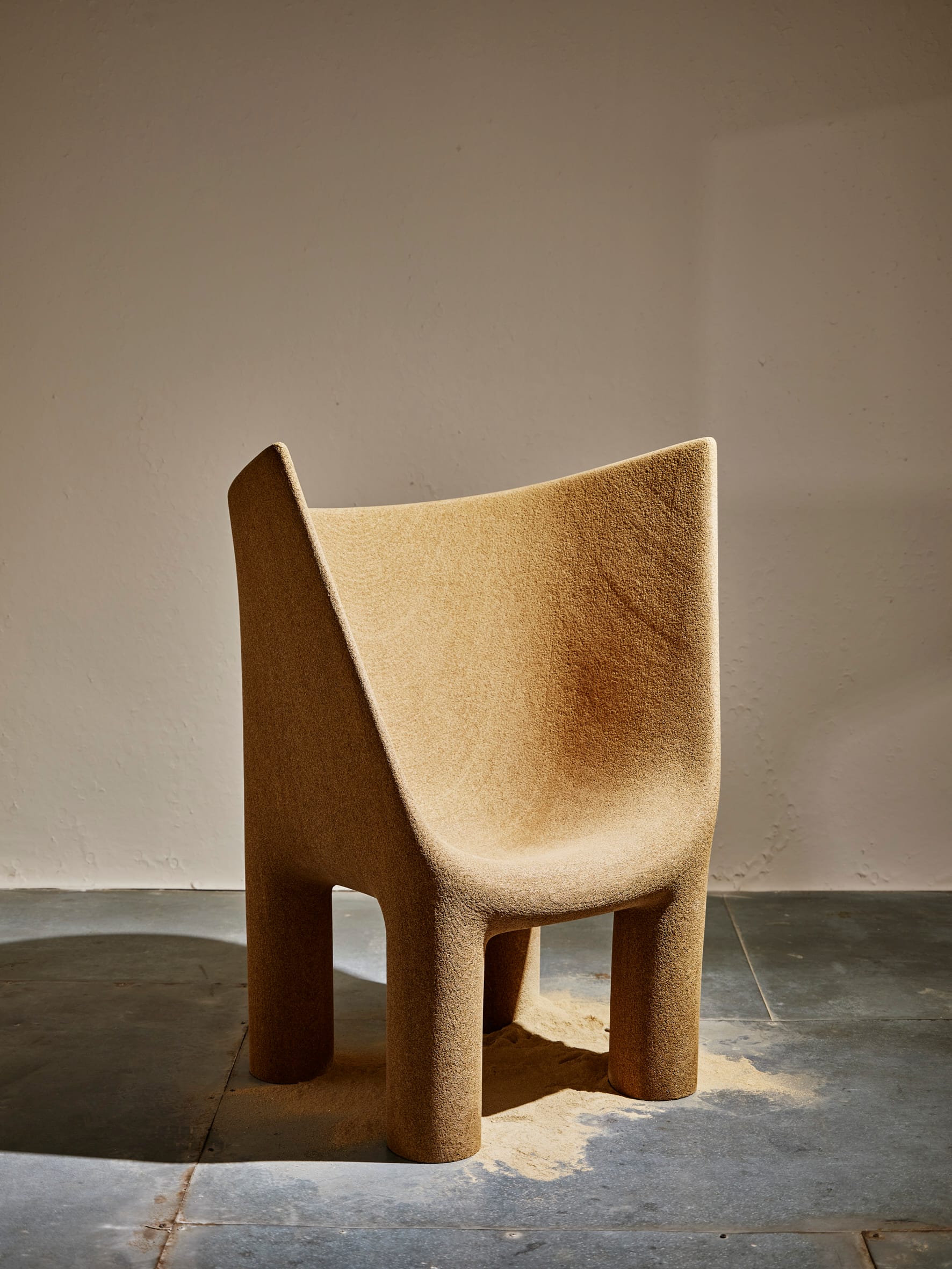
Left: Cyryl Zakrzewski. Centre: Hana Hillerova. Right: Sebastian Renga. Photos: Marco Menghi. All at Rosanna Orlandi, Milan Design Week 2026.
Finally, Rosanna Orlandi also showcased a wealth of craft-led work. Standouts included a chair by Sebastian Renga, reflecting the designer’s love of materials and process. Also of note was beautiful, bulbous glassware from Hana Hillerova and wooden furniture from Cyryl Zakrzewski, crafted to reveal the natural layers and patterns of the material.
Source: Global Newswire/Research & Markets.