Reflecting the sheer diversity of design and craft in the Capital, this sprawling show spread out over multiple districts and encapsulated everything from emerging talent to established names. Here is a flavour of the key themes for 2026.
First up, craft was a strong thread running through some of the strongest installations. At the V&A Craft x Tech Tokai Project brought together traditional craftspeople to work with a roster of international designers including Philippe Malouin and David Caon. The results were spectacular; extraordinary technical skill married with innovative new ideas. In a similar vein, Reviving Craft: Reflection of the Mind focused on Chinese and international artisans and designers reframing expectations of Chinese design, blending modern tech with traditional techniques. Several galleries also showcased exquisite craft work; at Galerie Fumi, After School FUMI x RCA, Andreas Larsson’s totems impressed.
There were delicate glass snails by Minyue Hu at Qloud’s charming Enchanted Matter exhibition. Tai Ping's Icons Underfoot exhibition mapped seven decades of craft and included Willow I, with its painterly gradients of delicate colour. Emma Cooke of Hello Ditto Ceramics stood out at Crafted Futures, with further development of her Permutations & Combinations series. At Sanctum, elemental forms were presented by Heiter X and Protopia Collective in a chapel space. And at Charles Burnand, Robyn Neild’s low bench was covered in a mass of tiny metal flowers.
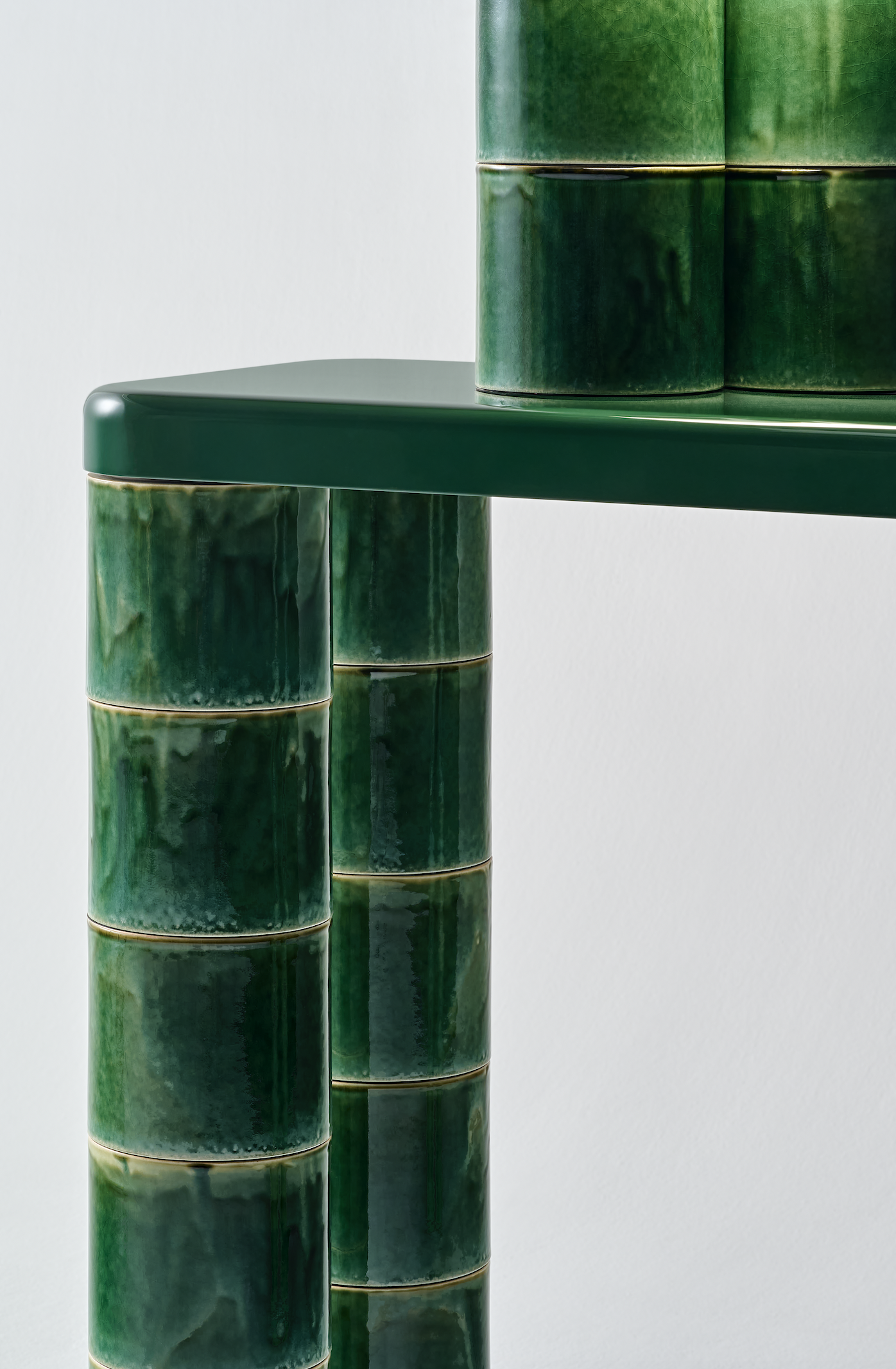
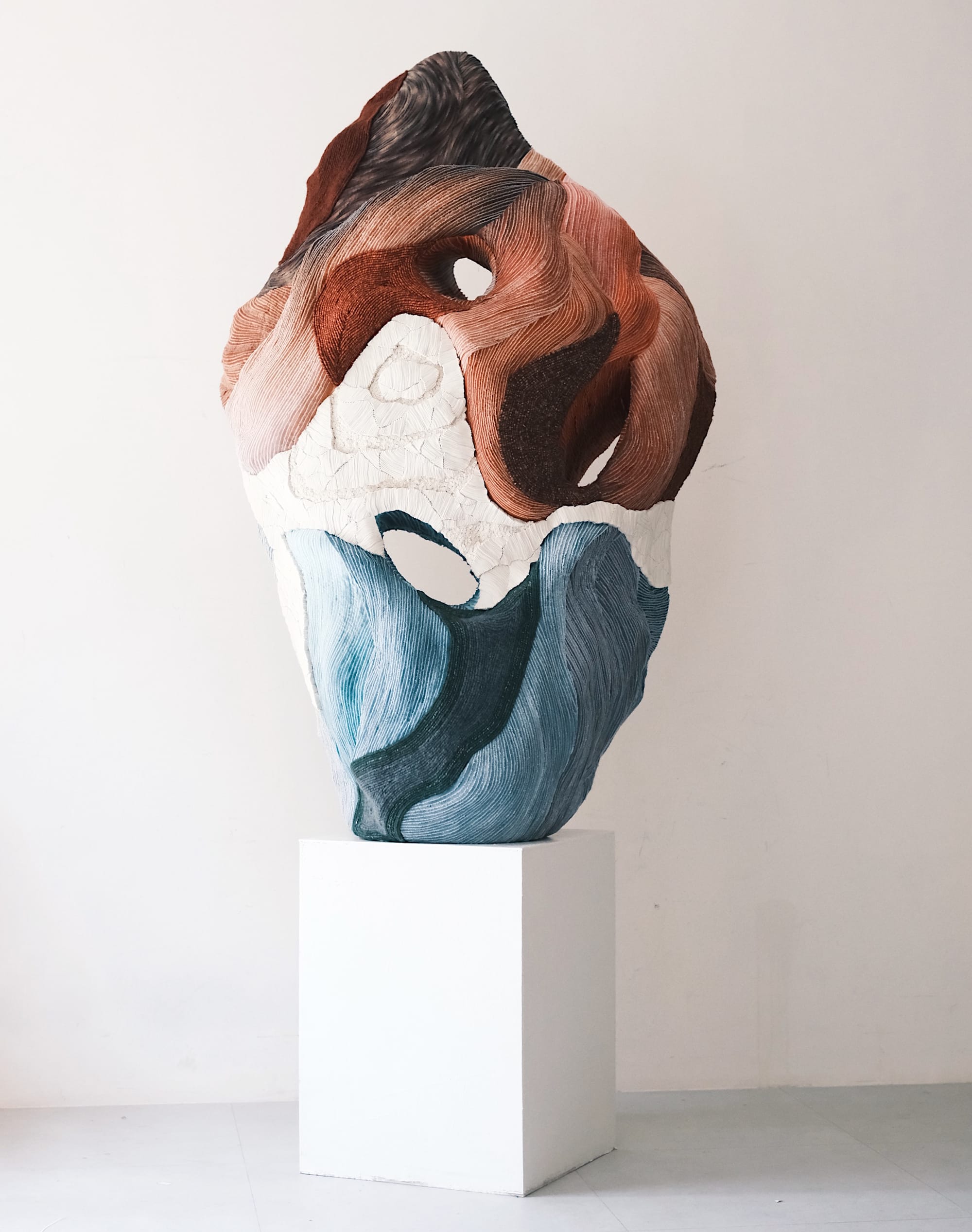
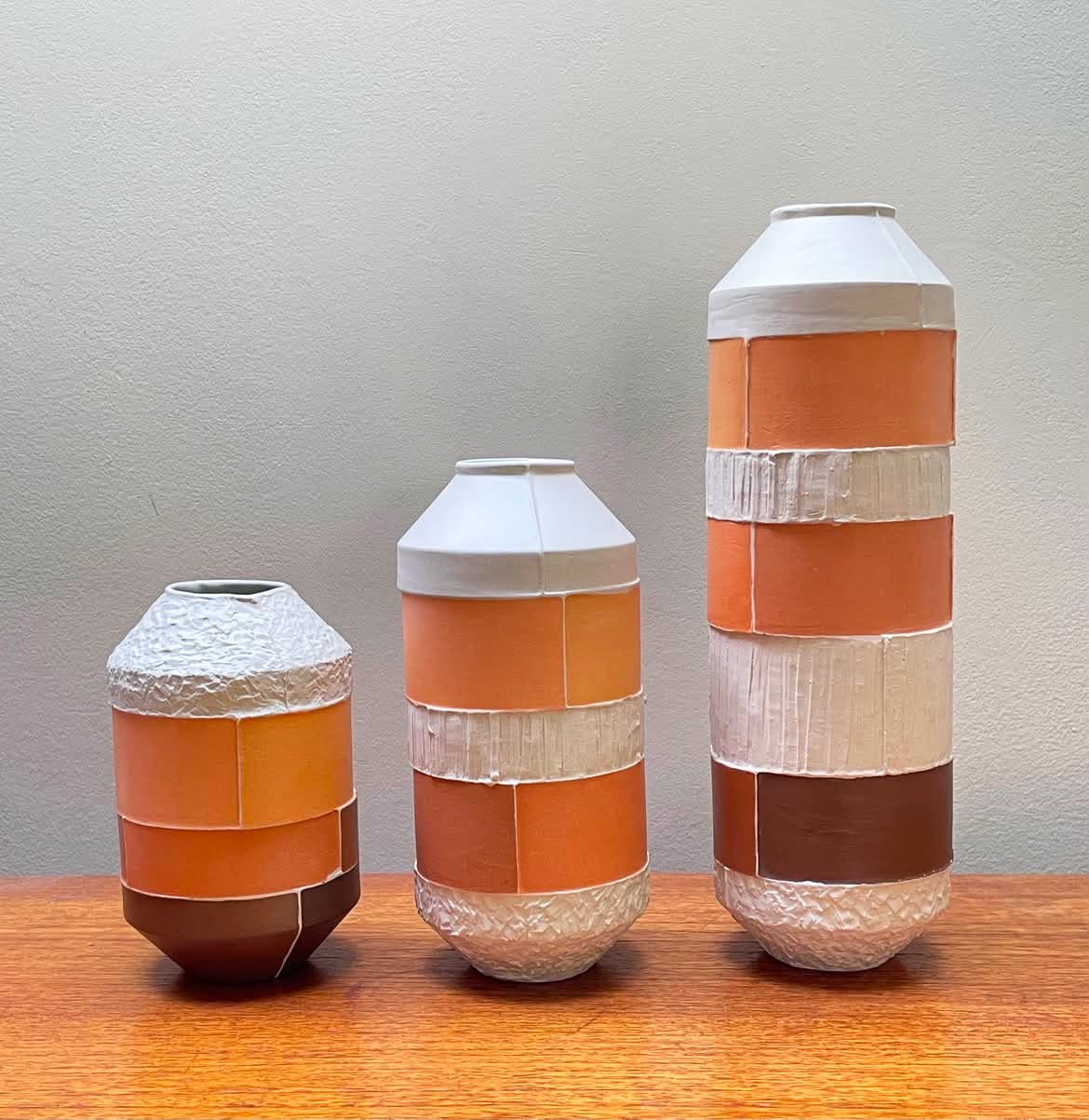
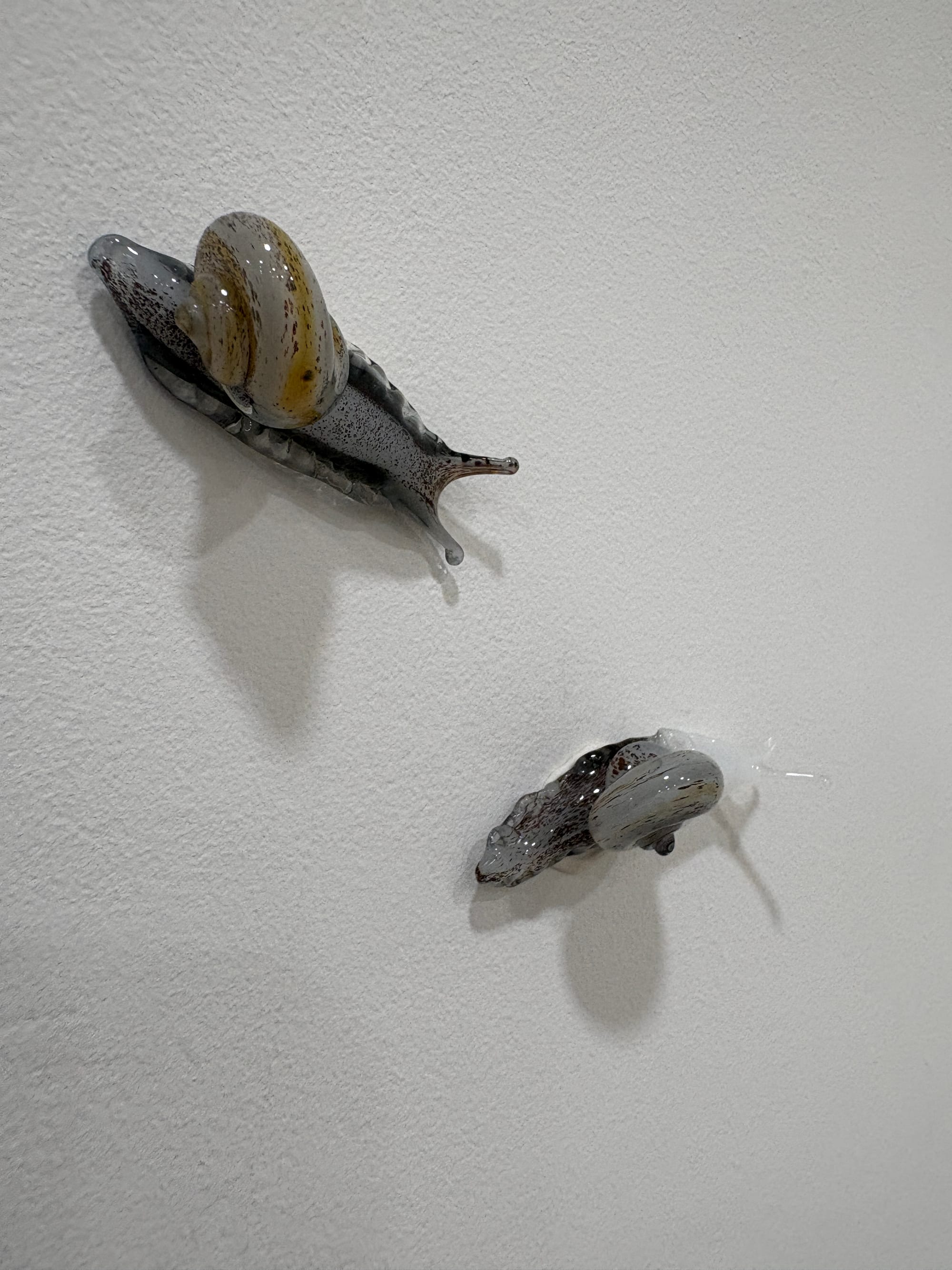
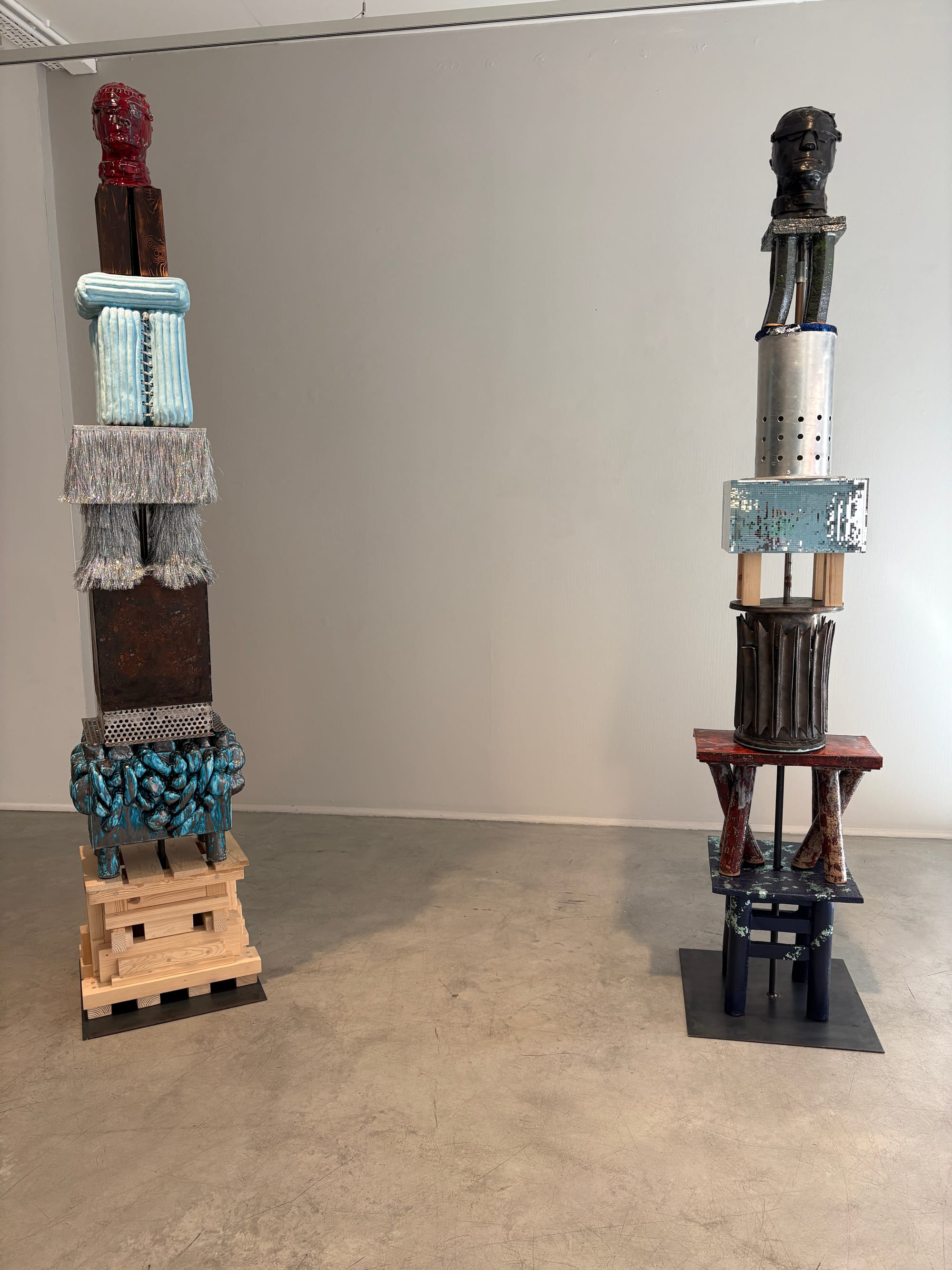
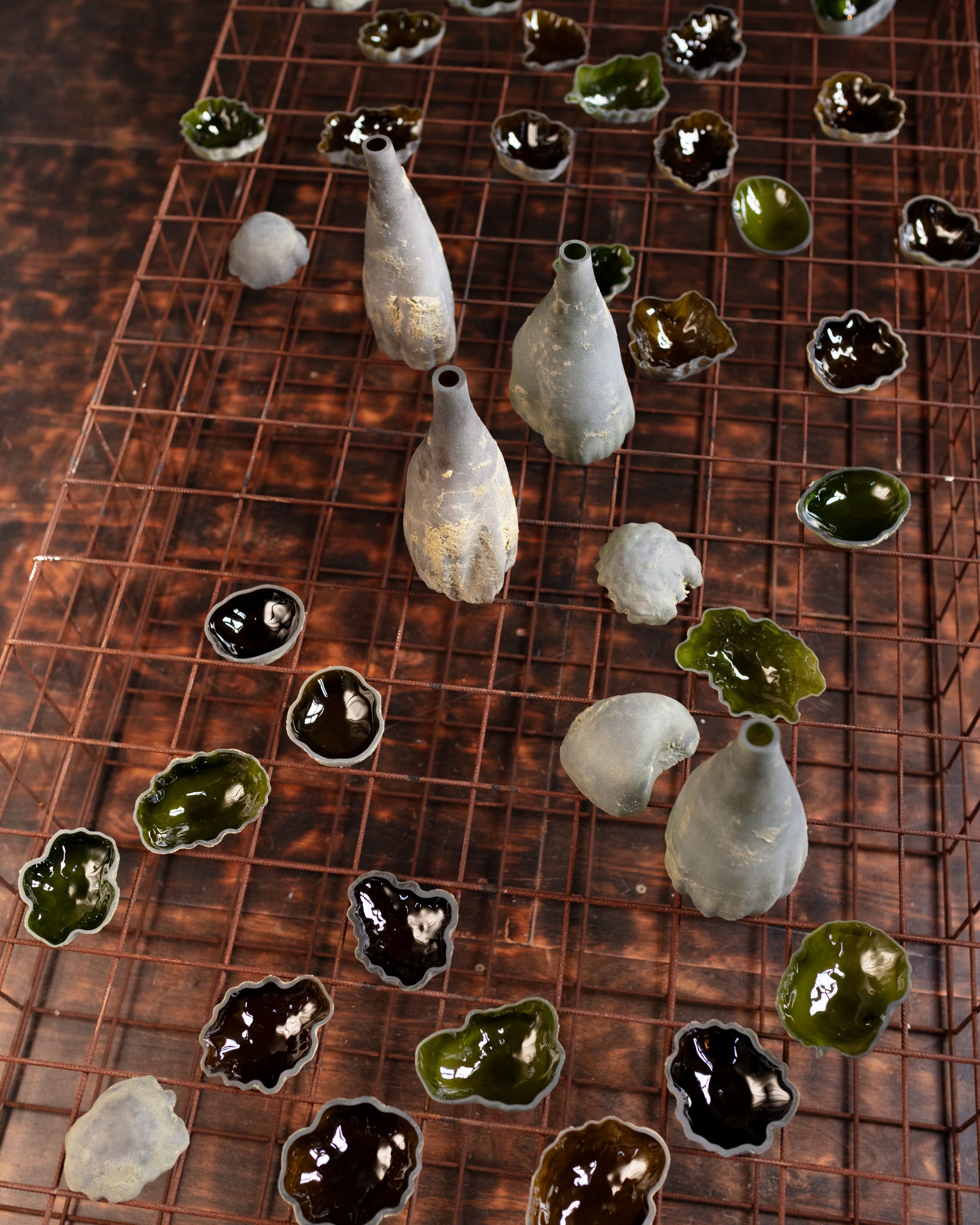
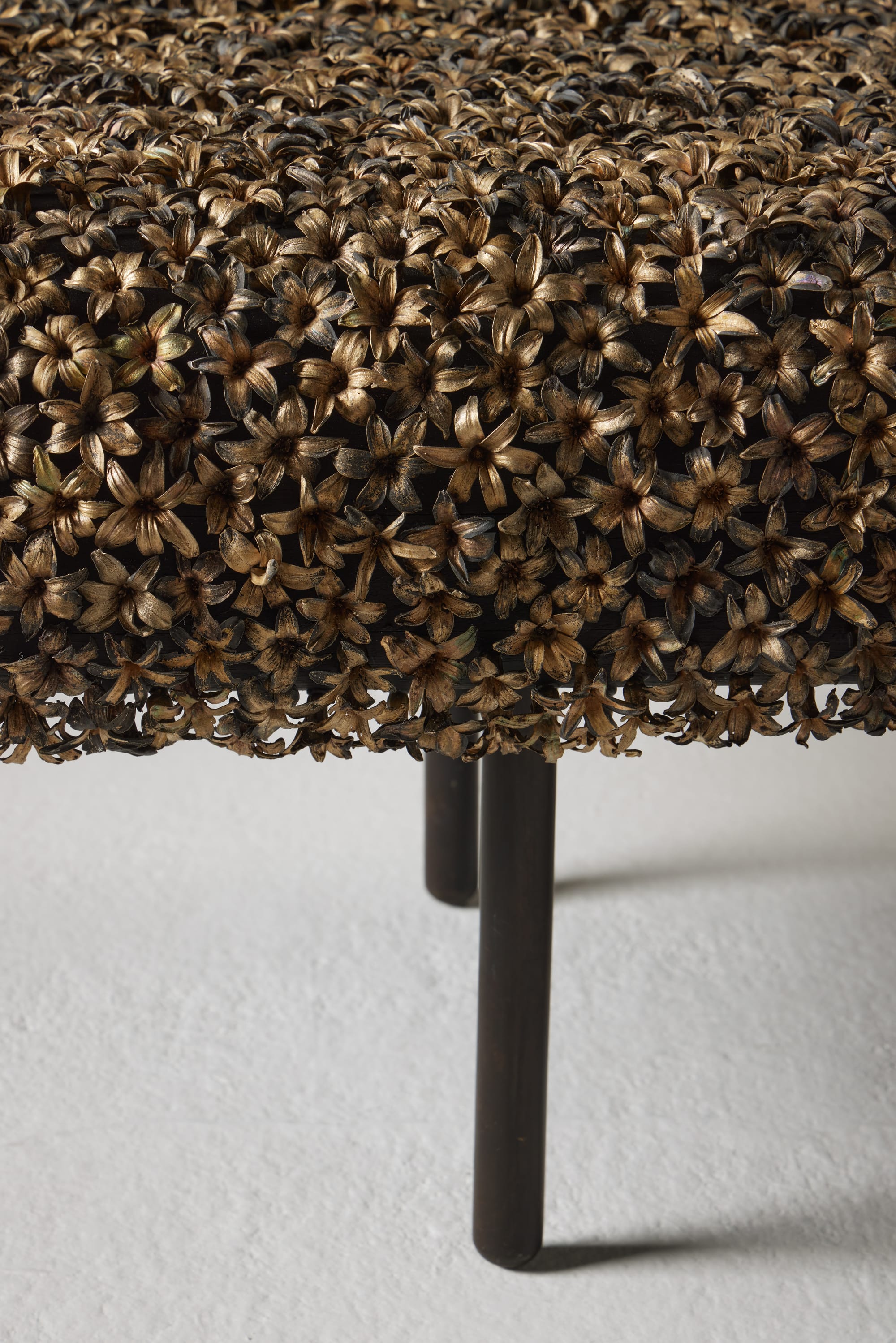
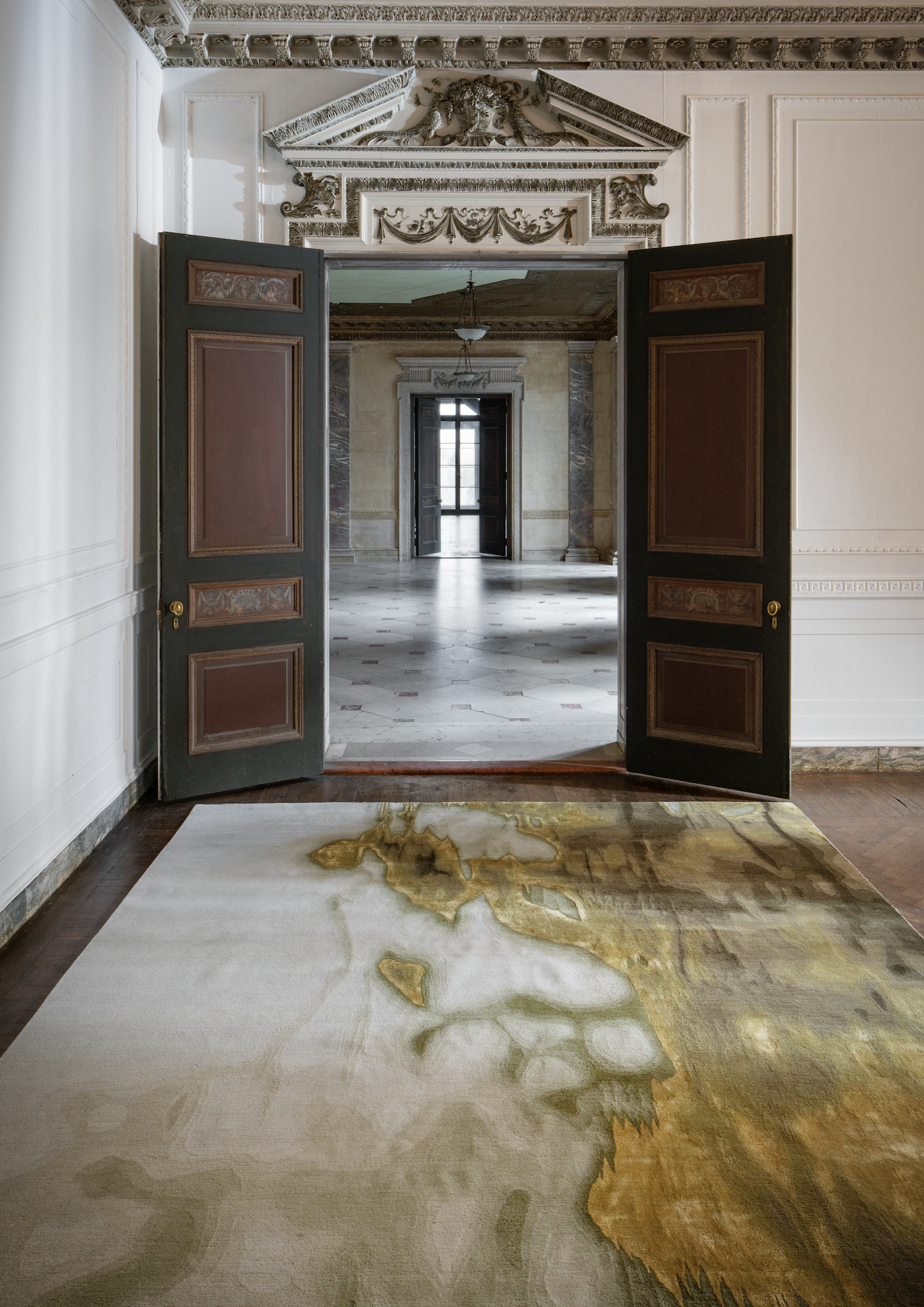
Top Left: Craft x Tech Tokai Project, Mino Yakix David Caon. Photo: Masayuki Hayashi. Top Centre: Reviving Craft, Shuang Xi. Top Right: Emma Cooke, Hello Ditto Ceramics. Middle Left: Qloud, Enchanted Matter, Minyue Hu. Middle Centre: Gallery FUMI, After School, FUMIx RCA, Andreas Larsson. Middle Right: Heiter X and Protopia Collective. Photo: Johann Koop. Bottom Left: Charles Burnand Gallery, Robyn Neild. Bottom Right: Tai Ping, Willow I.
At the V&A, Awakenings was a series of installations across the museum that looked to explore the nature of technology, particularly AI, on the creative process, adopting a neutral stance which allowed the artists to form their own opinions. Stand outs included Sam Ghantous’ your golf course made my gpu, an exploration of the links between earth and tech, not least the sand used for the microchip industry. Eunjo Lee’s When the Void Gazes Back took the museum’s Buddhist art collection and transposed it into a future world where data shapes spiritual awakenings. And Playfool explored systems of care in the age of AI acceleration. Best of all, Andre William’s Time after Time Clock filled the space with colour inspired by 80s and 90s video games, a project supported by Intoart. Elsewhere, Verner Panton cubed animal kits were relaunched by Vitra, and had a distinctly pixelated quality.
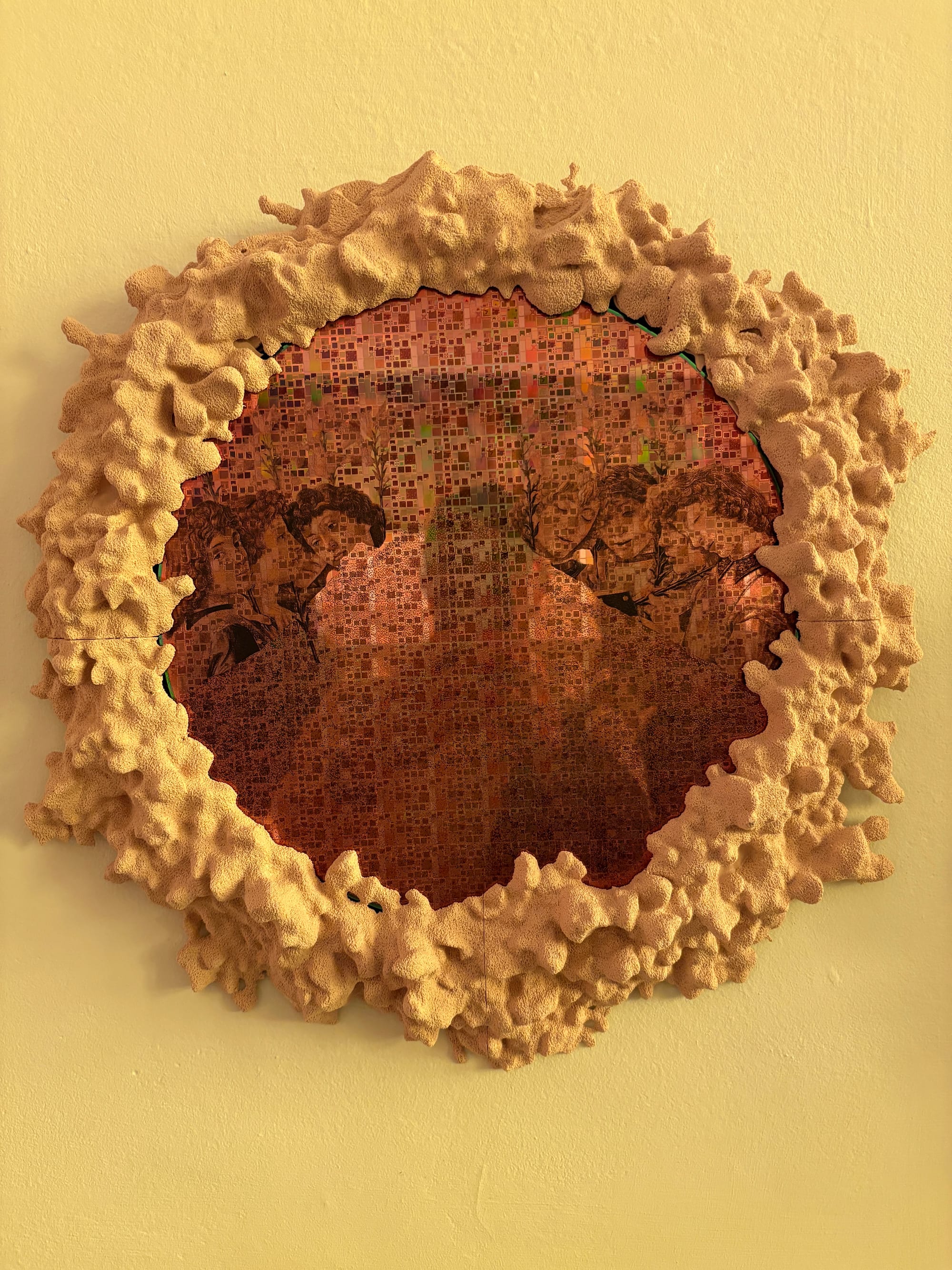
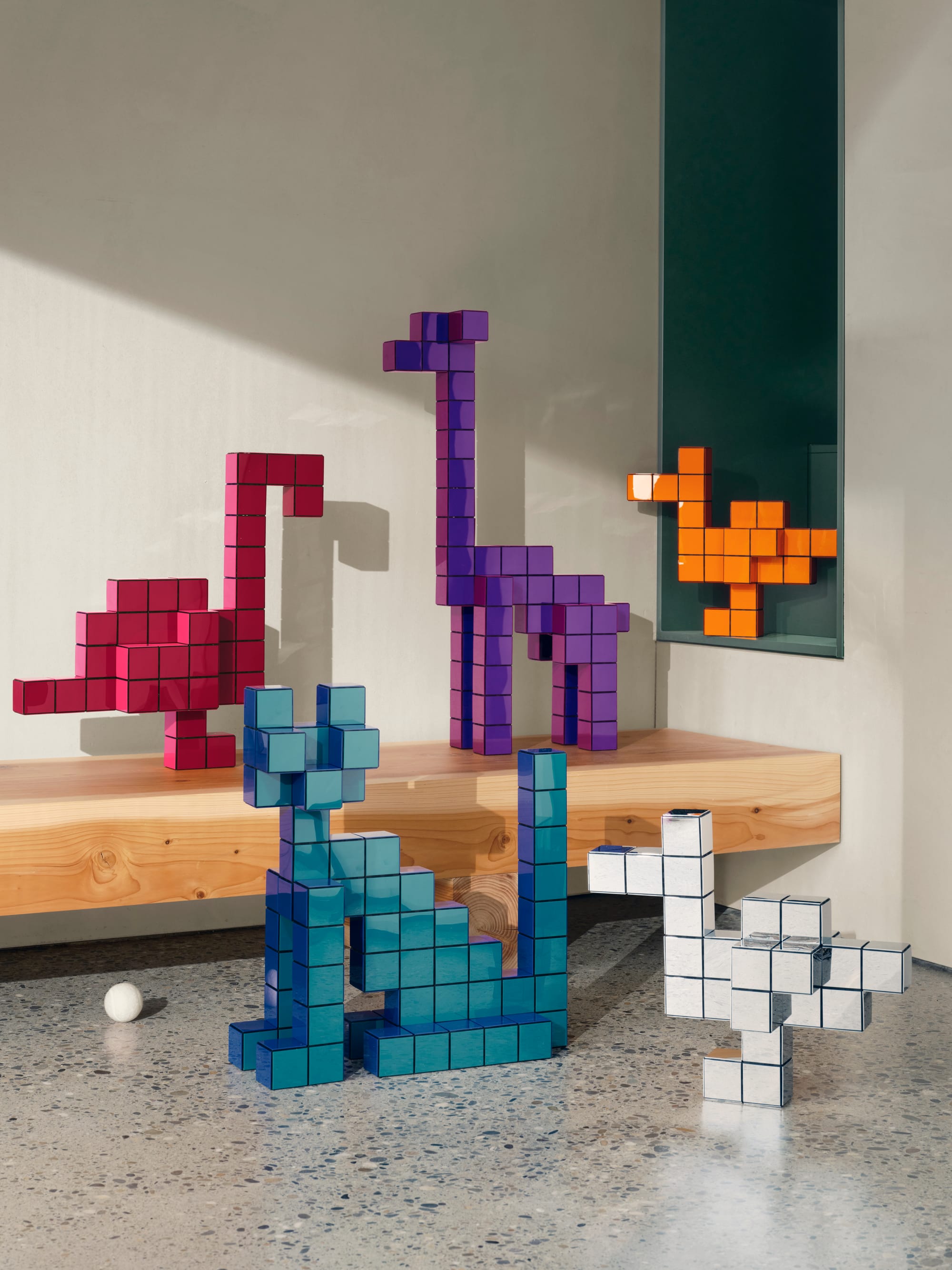
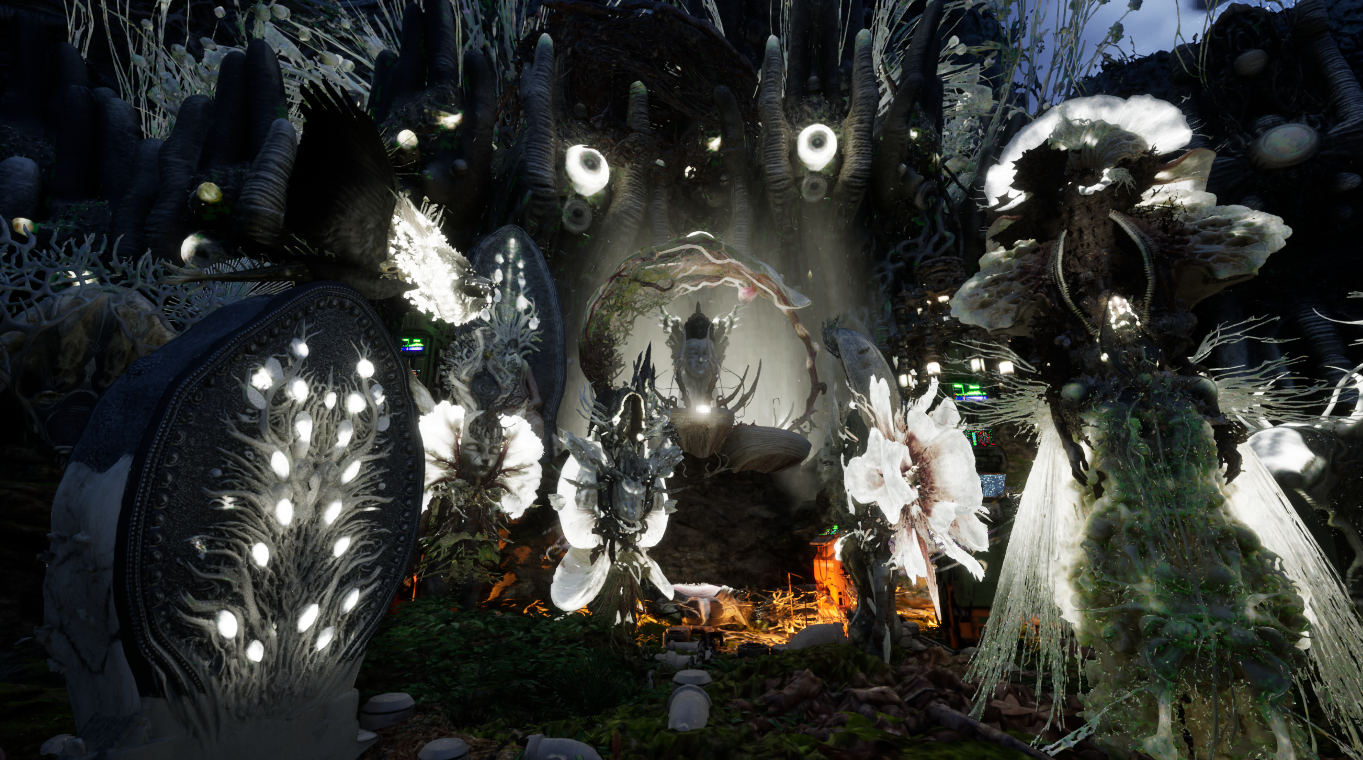
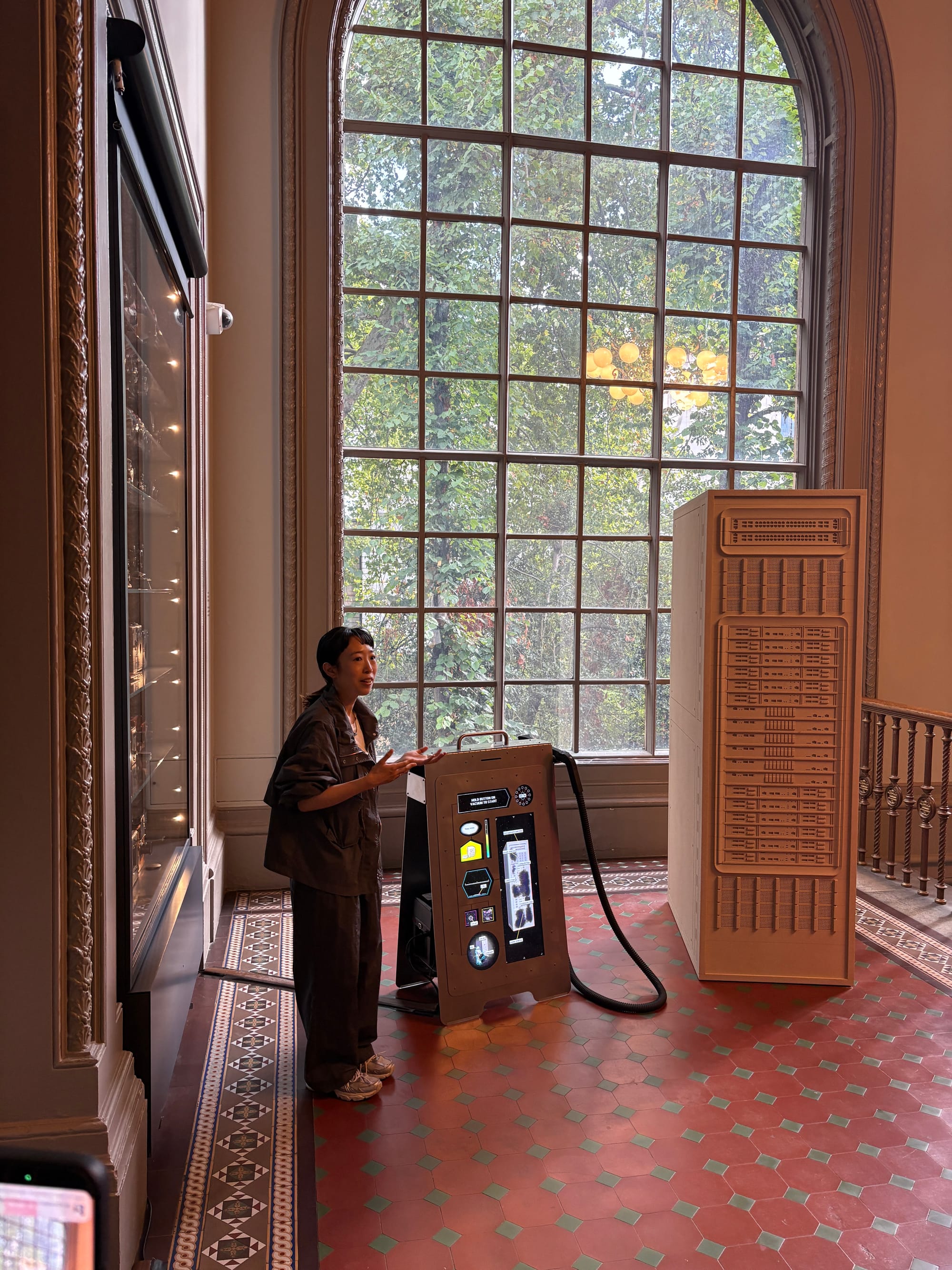
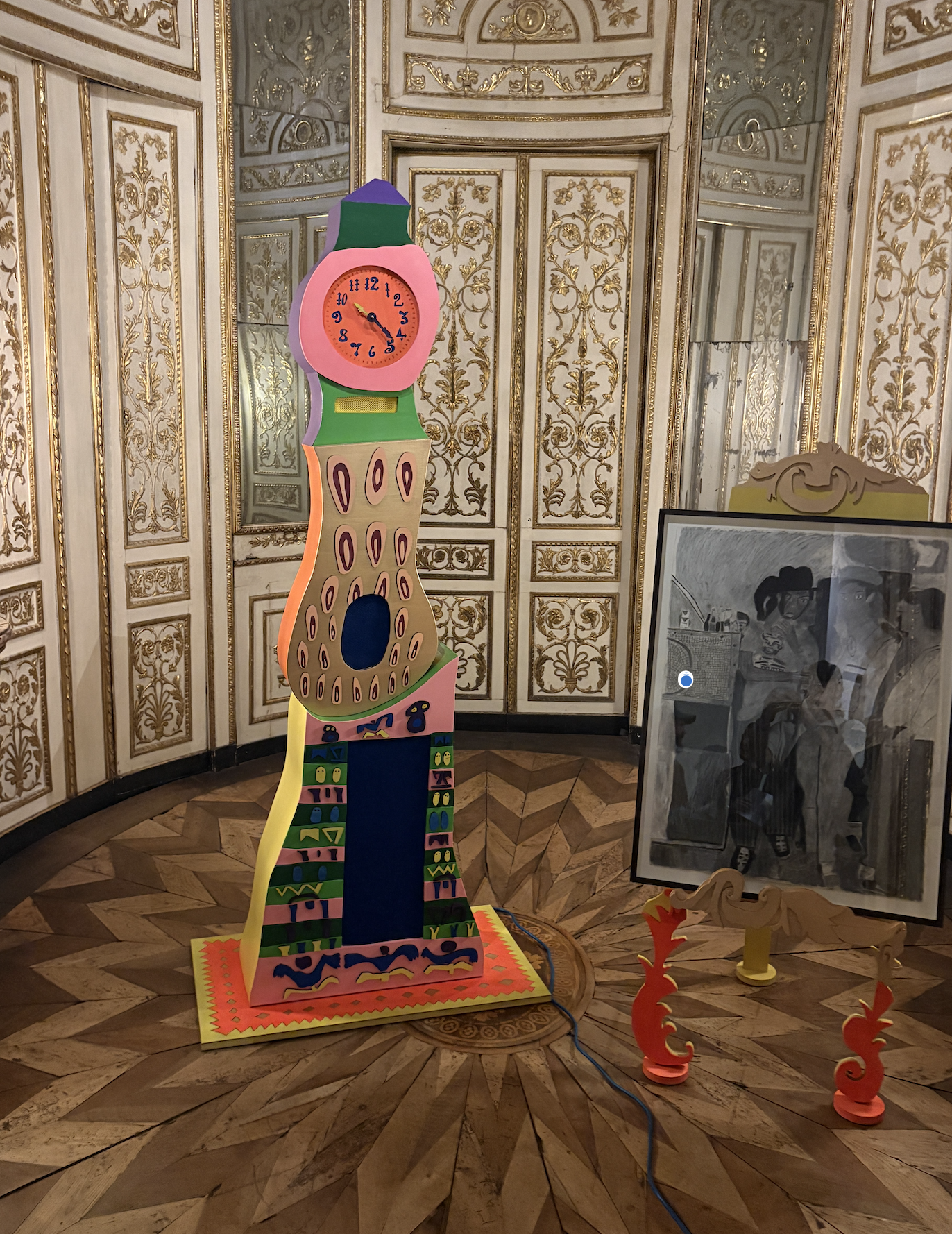
Top Left: V&A, Sam Ghantous-your golf course made my gpu. Top Centre: Vitra, Panton Cubes. Top Right: V&A. Enjoy Lee, When the Void Gazes Back. Bottom Right: V&A, Playfool, The Server. Bottom Left: V&A, Andre Williams, Intoart.
Several projects explored the notion of home in all its different forms. At Aram, With Limitations by Design Everything presented a fictitious emerging designer’s flat, featuring objects designed by new designers, playing with upcycling, repurposing and making. At Royal Society of Sculptors, There’s No Place Like It, curated by Henry Holland, presented work that responded to the theme of home. In Brompton Design District, Beverly 1975: Concierge brought together Vietnamese cooking utensils, textiles, baskets and other objects for the home. And Homenkà: Our Parlour, hosted by Ncheta Collective, presented an immersive environment created by four Igbo women in a space that brought together objects, photography, scent, sound and heritage built around memory and imagination.
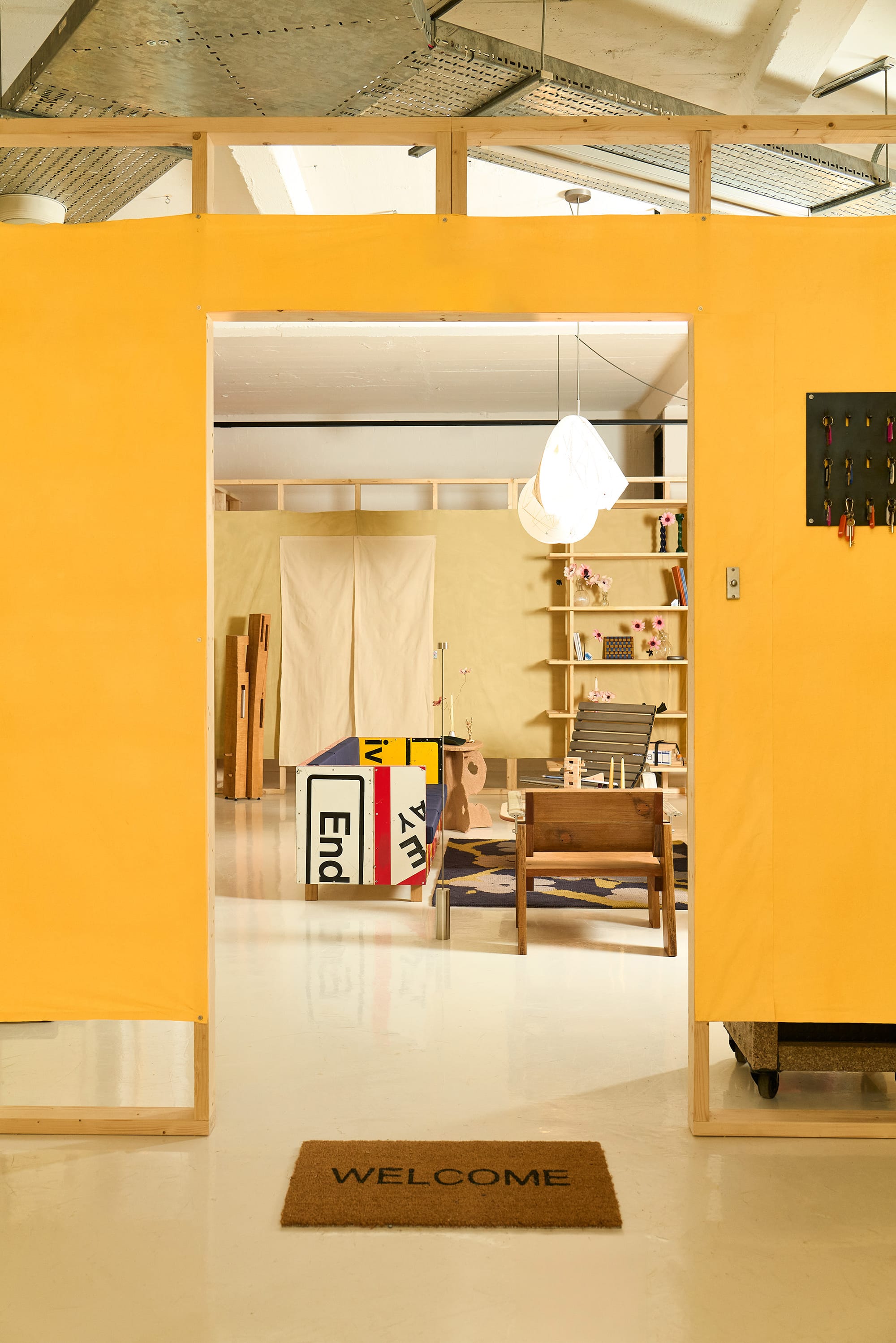
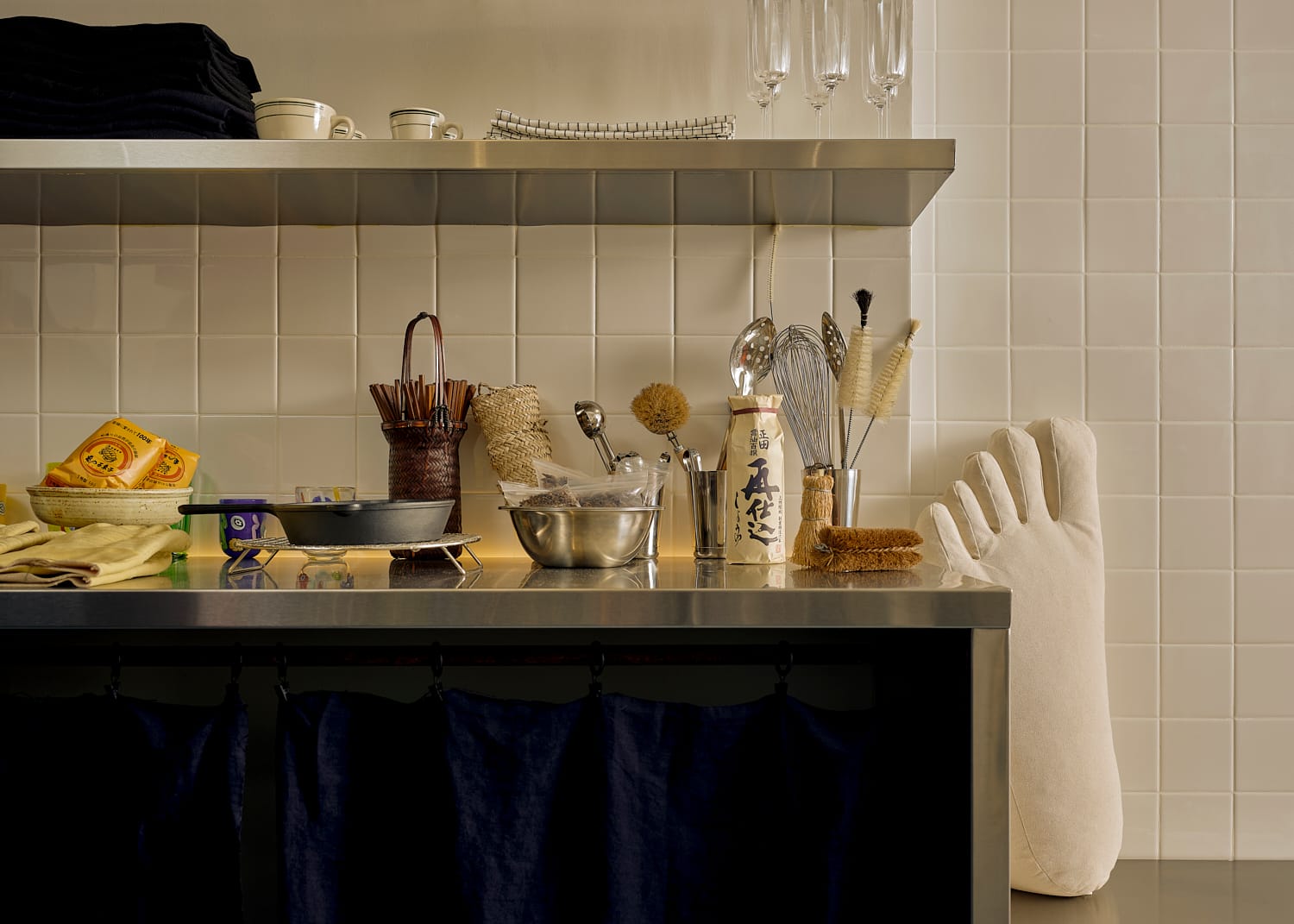
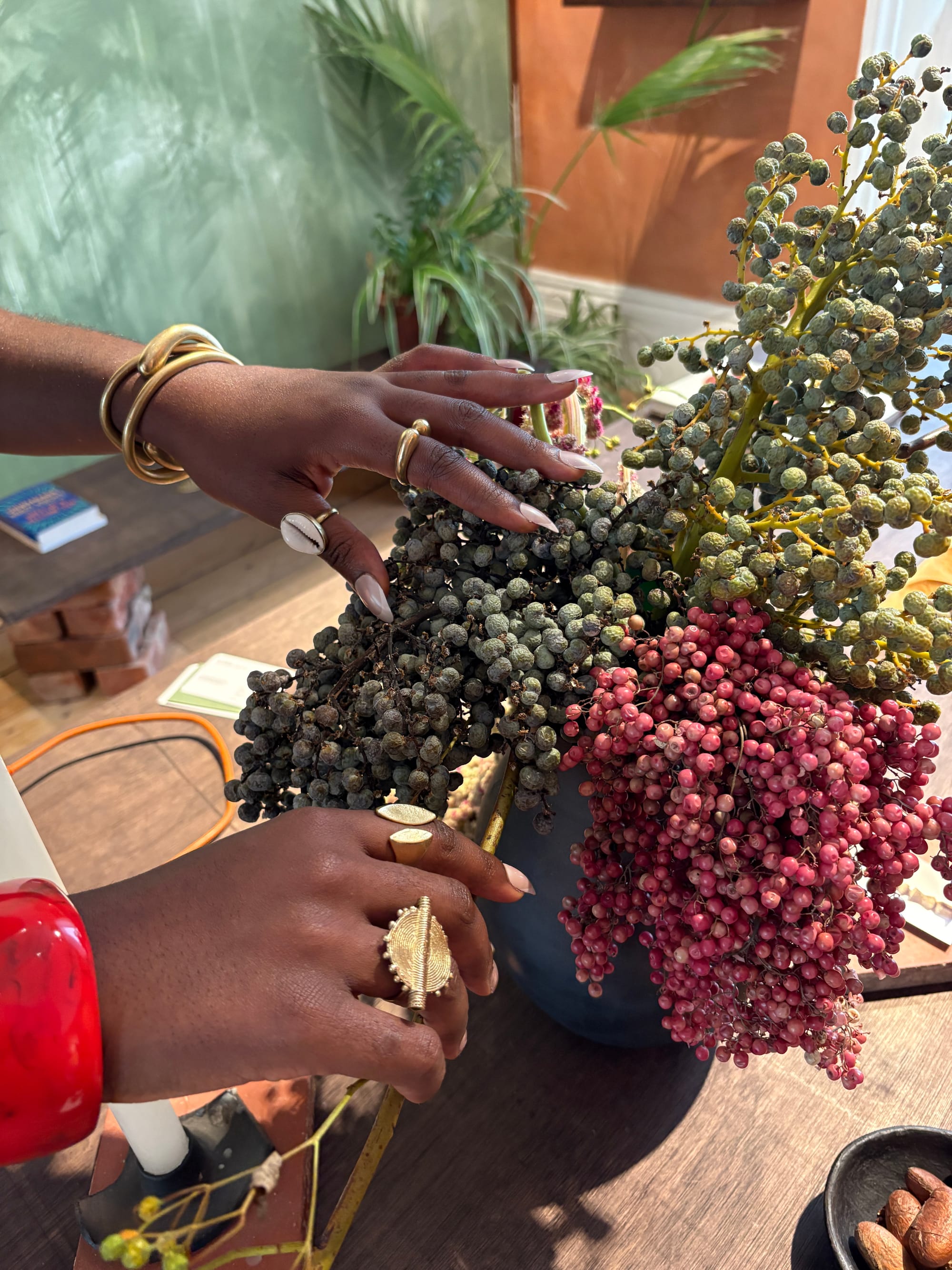
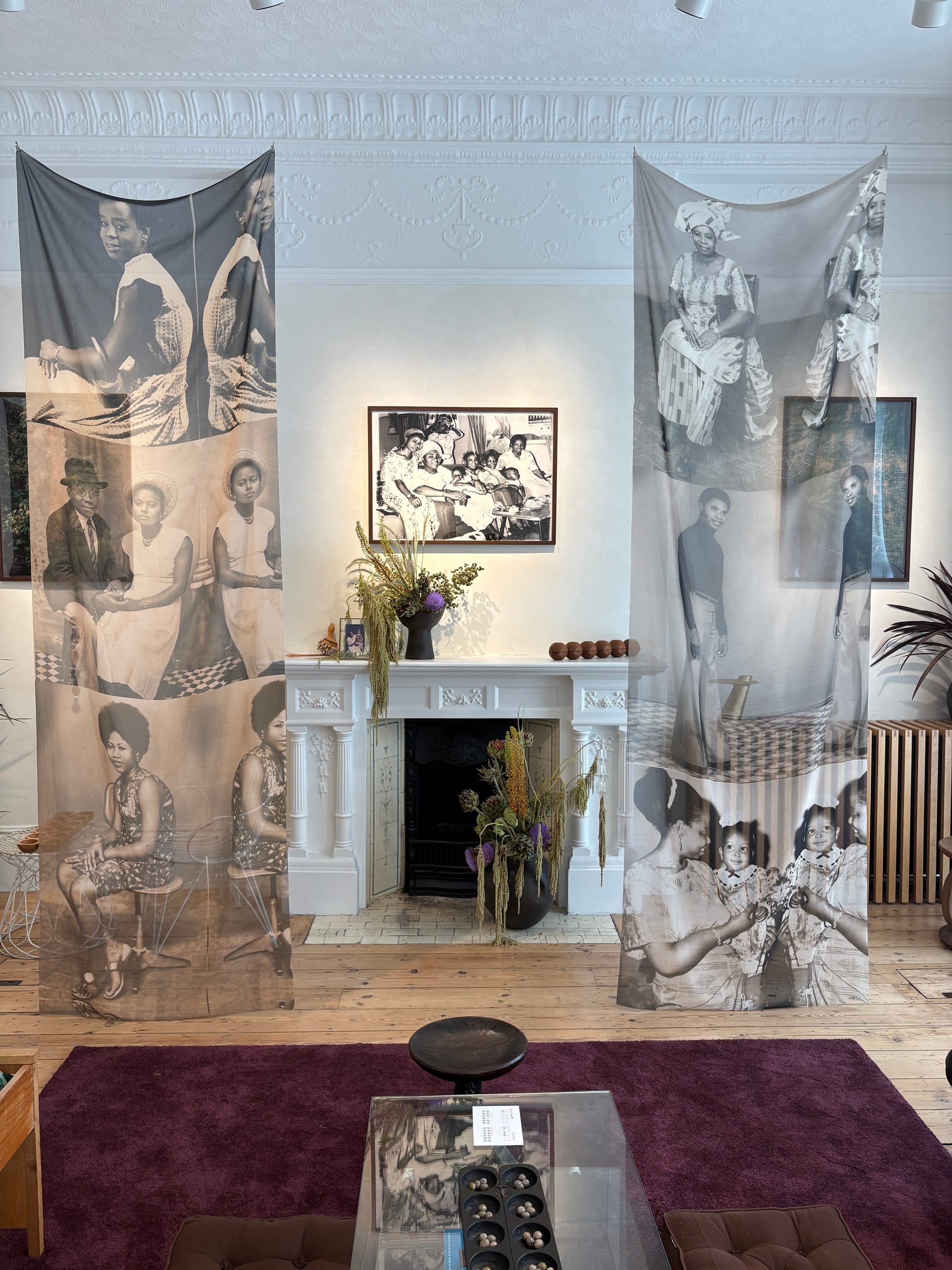
Top Left: Aram x Design Everything, With Limitations. Photo: Kane Hulse. Top Centre: Beverly 1975: Concierge. Top Right: Royal Society of Sculptors, There’s No Place Like It. Bottom Left & Right: Homenkà: Our Parlour, hosted by Ncheta Collective.
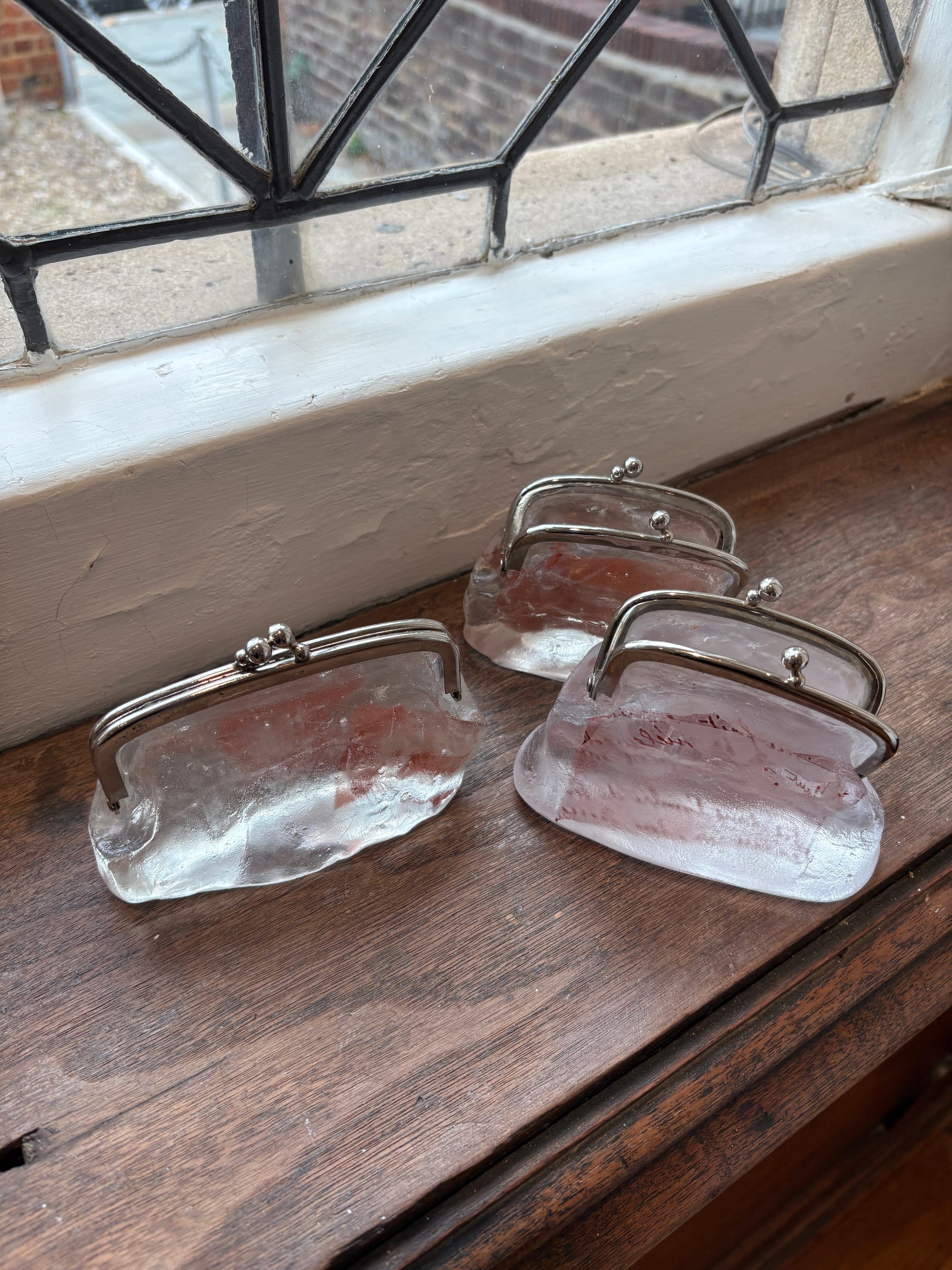
Hybrids were a bit of a theme at Milan Design Week this year, so it was interesting to see this idea being picked up in London. The central principle here is about subverting norms, whether that be with Estra’s clever tectonic handbag Vertebra, or as with Prima Materia and the stair chair, where aluminium stair rails are reimagined as chair arms. Other pieces also looked to upcycling, combining different elements, as with 2LG Studio’s bench made from covered cardboard tubes and chair with its mixture of different traditional elements and patch detail seat. Also of note was Goldsmiths’ graduate Harsheen Kaur’s Play: De-Colonial Subversion and Emotional Refuge, a powerful piece exploring ‘the complex relationship between Indian and European design languages.’
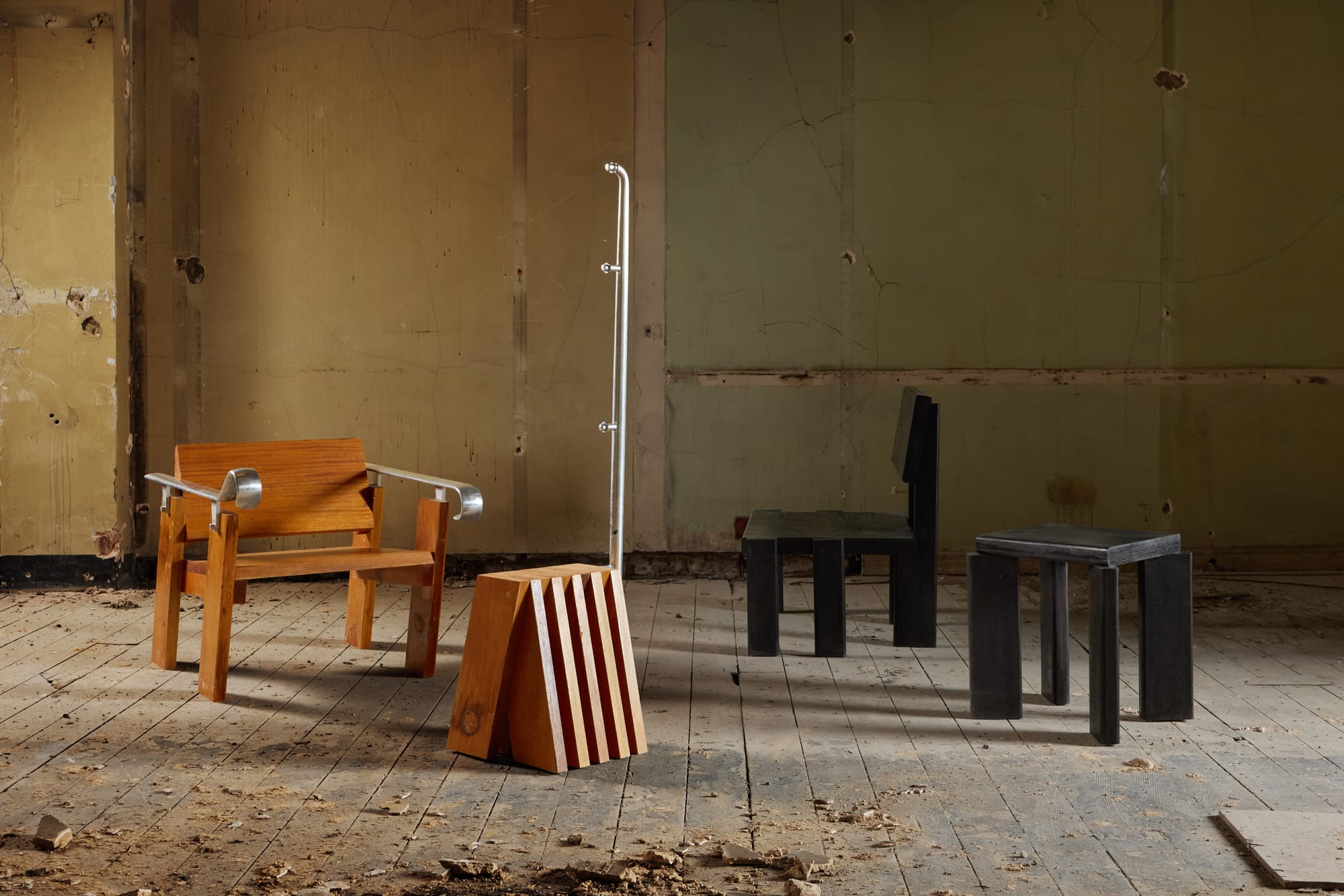
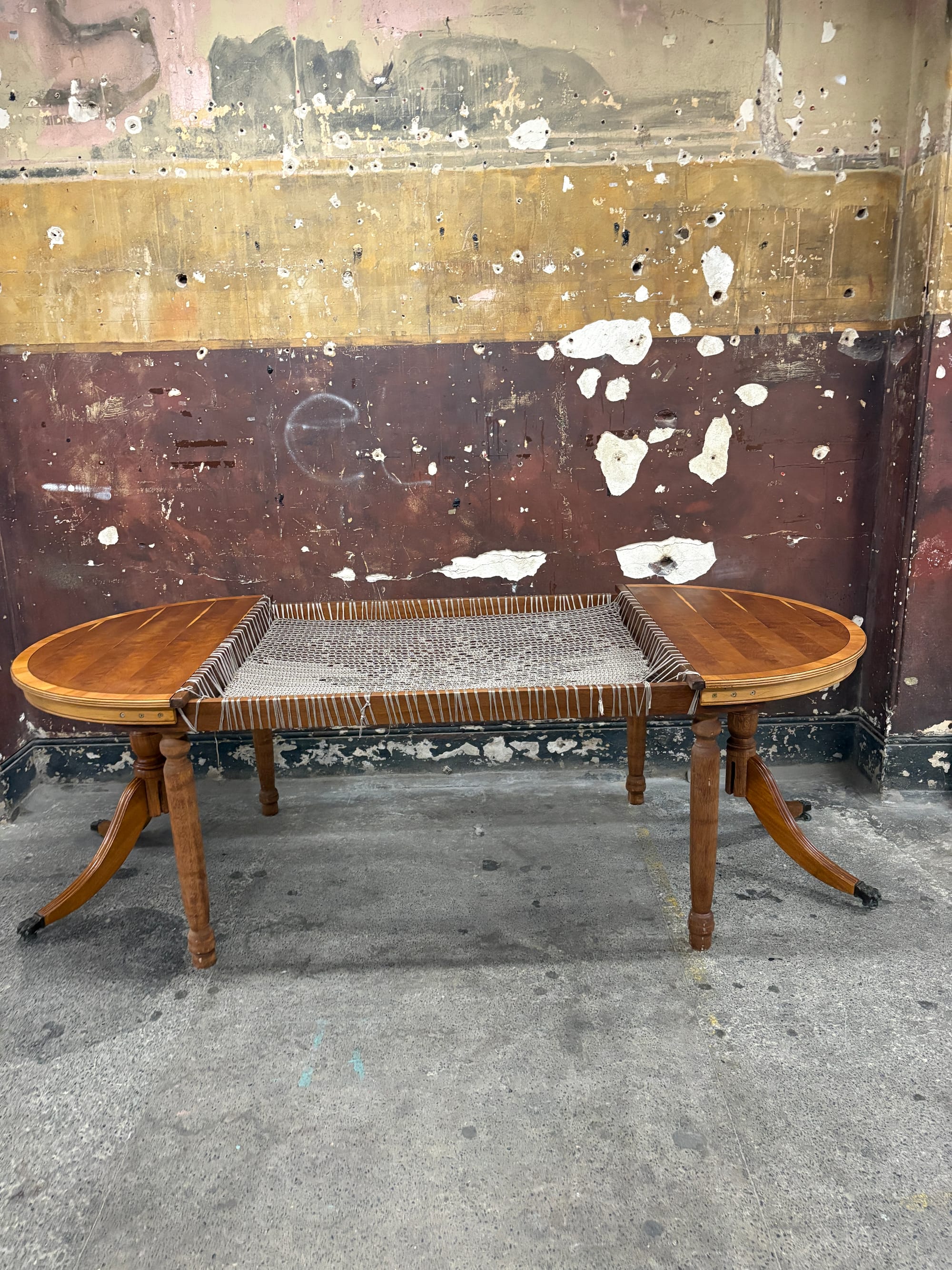
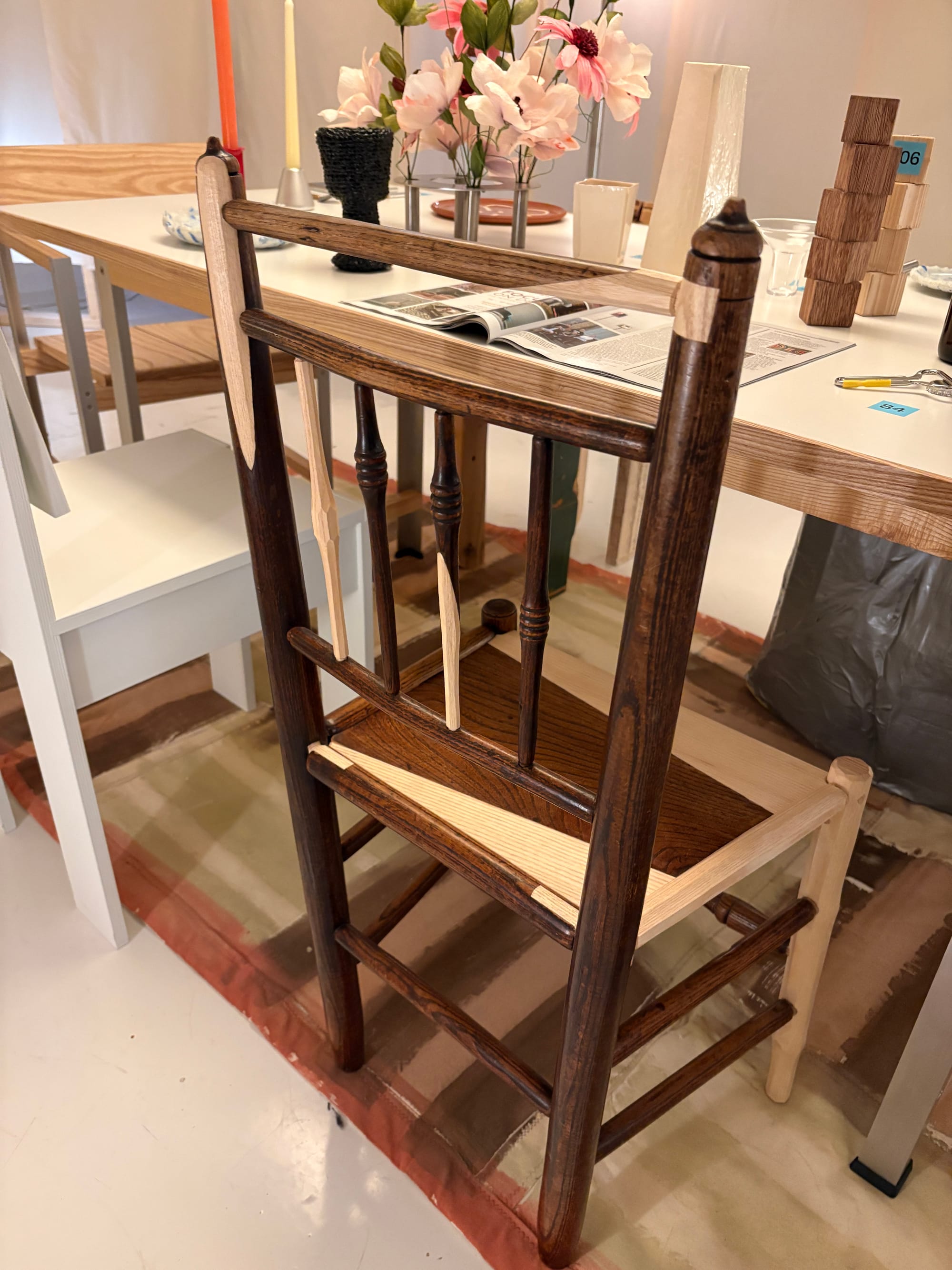
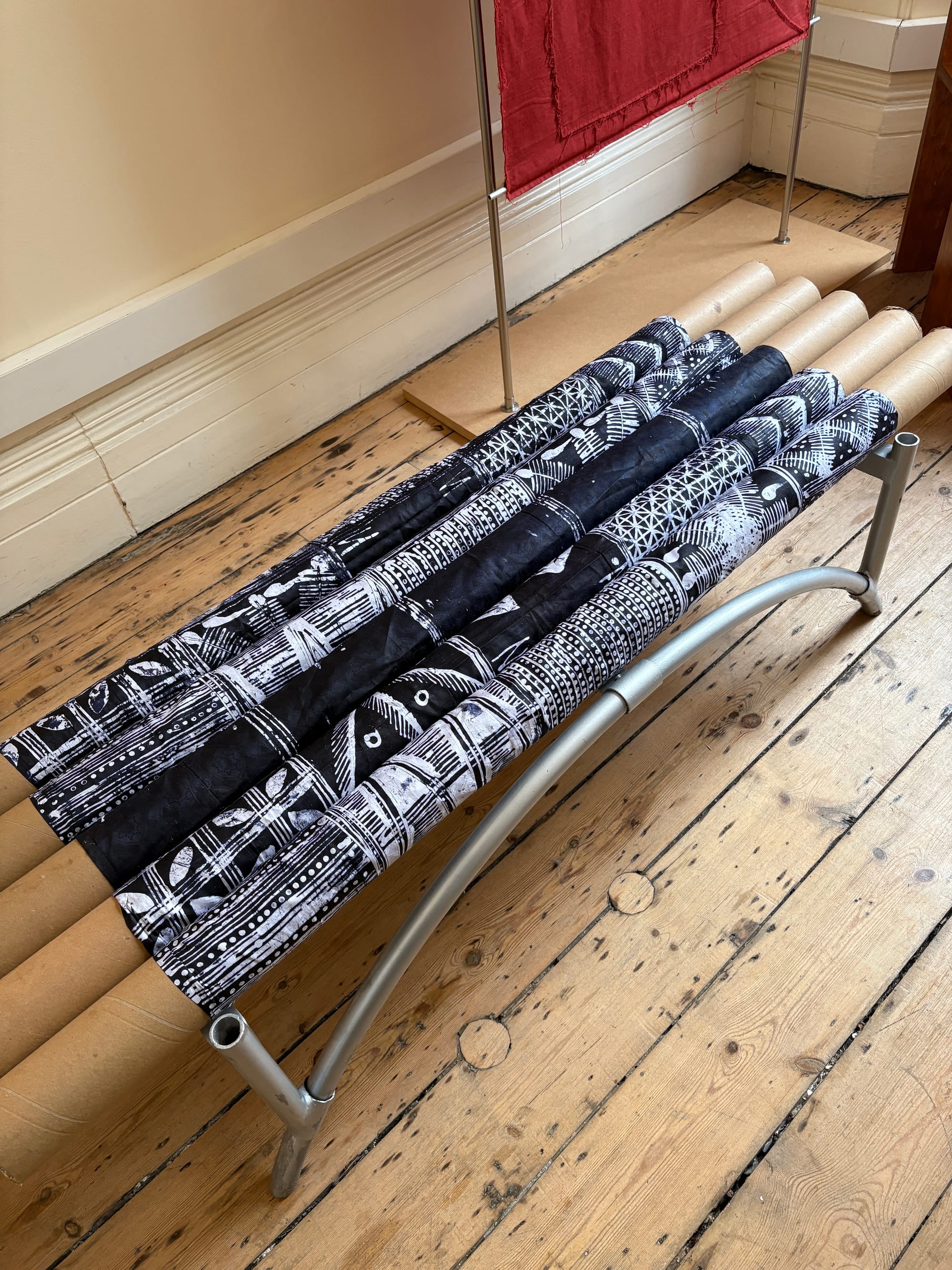
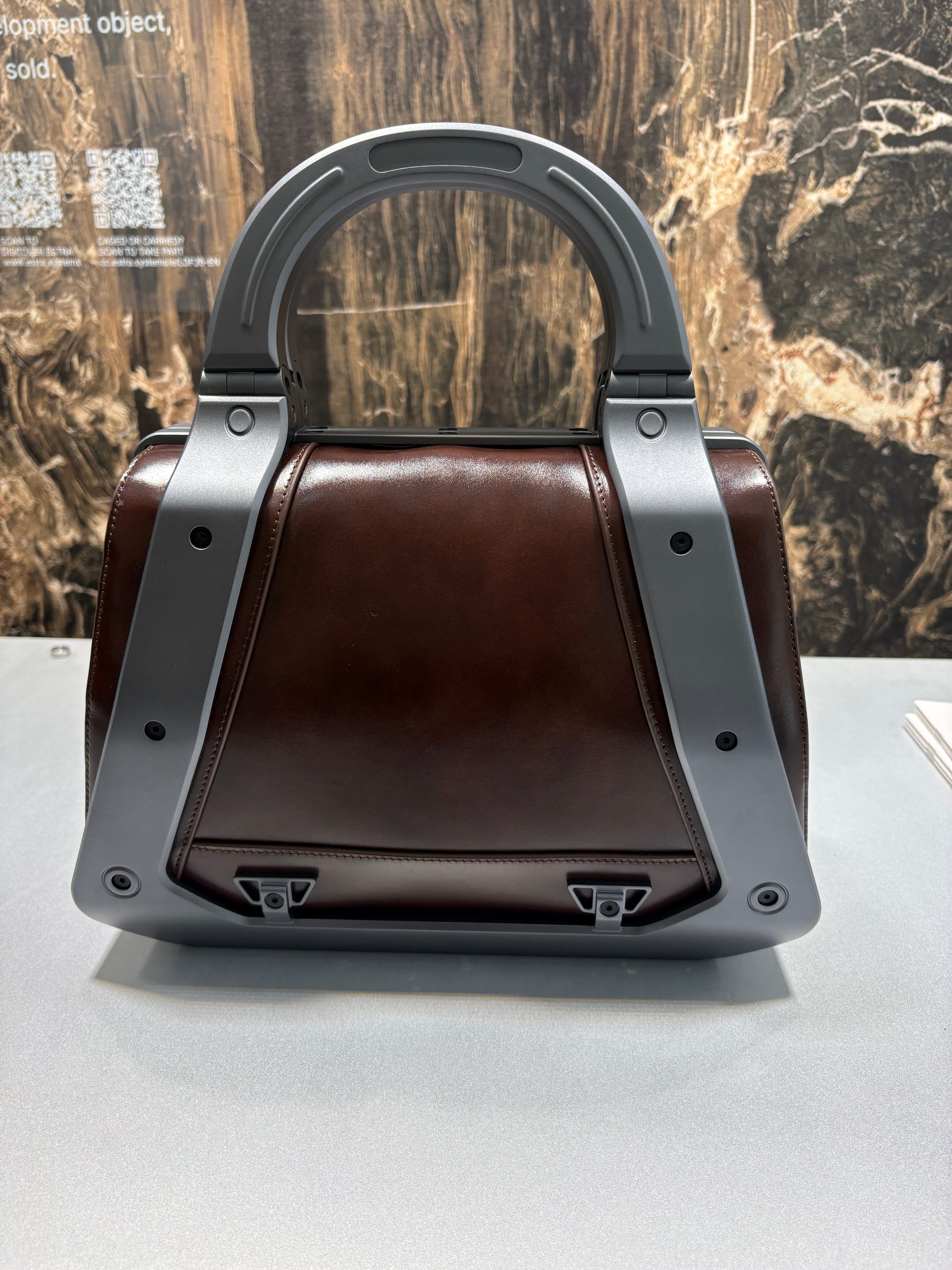
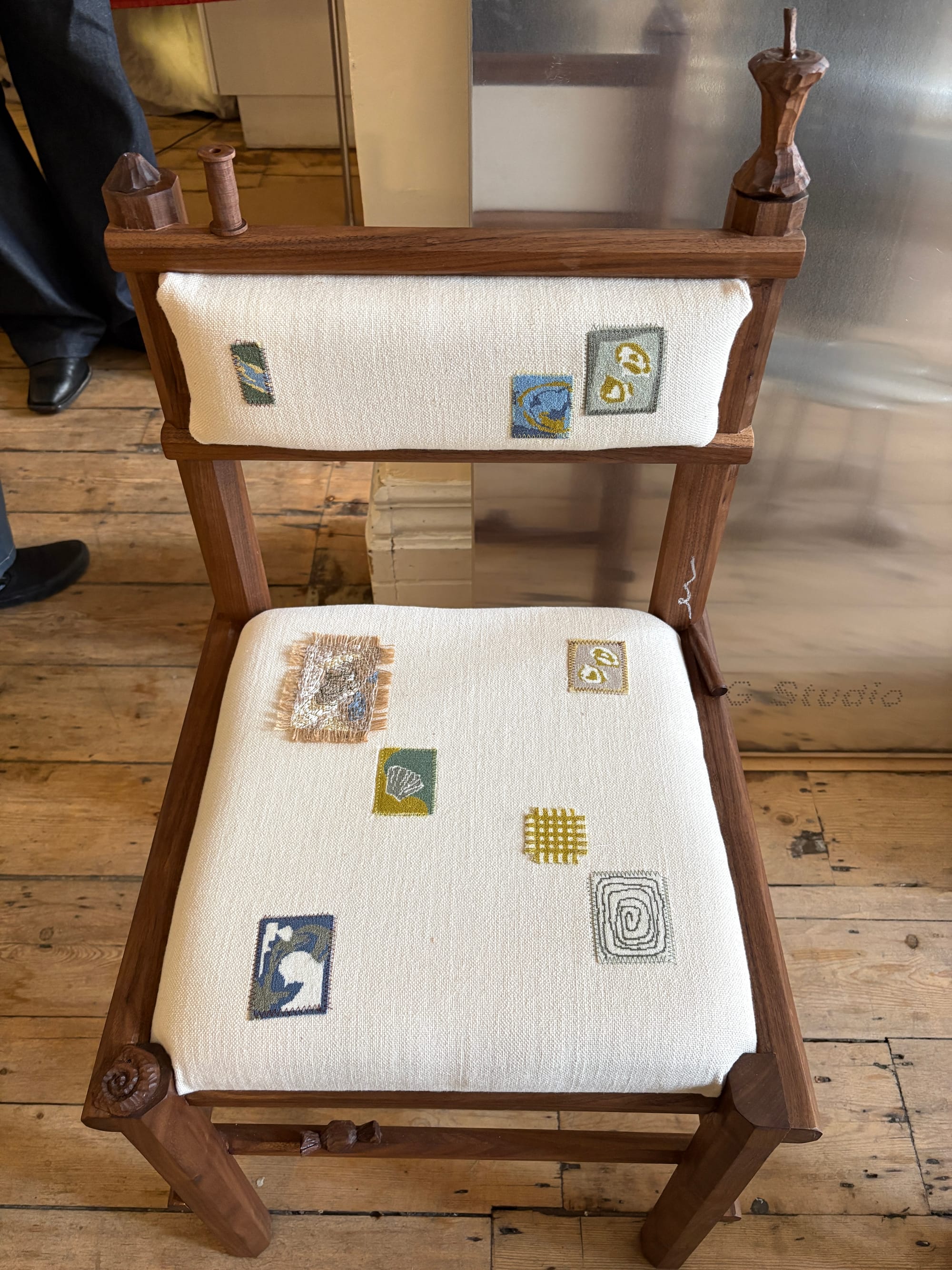
Top Left: Prima Materia. Photo Tom Carter. Top Centre: Goldsmiths, Harsheen Kaur, Play: De-Colonial Subversion and Emotional Refuge. Top Right: Aram x Design Everything, With Limitations. Bottom Left: 2LG Studio. Bottom Centre: Estra. Bottom Right: 2LG Studio.
Early days on this, but there was a distinctly spiky feel to some of the strongest pieces this year. At Studio Iron, founded by Isamaya Ffrench, vases by Gast Studio were formed like rose stems, complete with vicious thorns, while a metal armchair by CJ Aslan was covered in spikes and gemstones. North South Art and Design collaborated with 2LG Studio to produce Briar, a new lighting collection in the perfect, slightly sinister, red. 2LG also showed extraordinarily delicate spiky glassware designed by Filomena Smola.
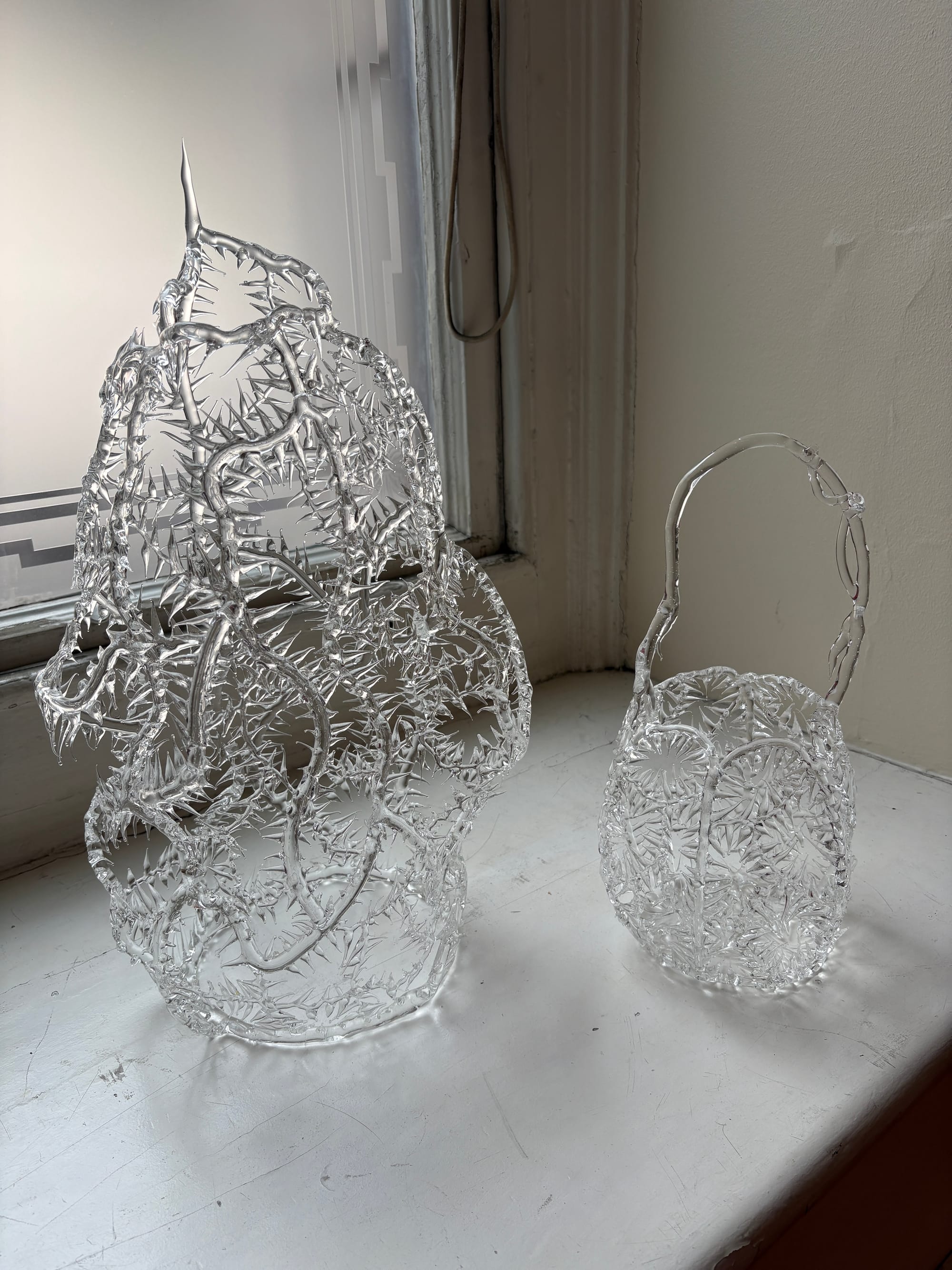
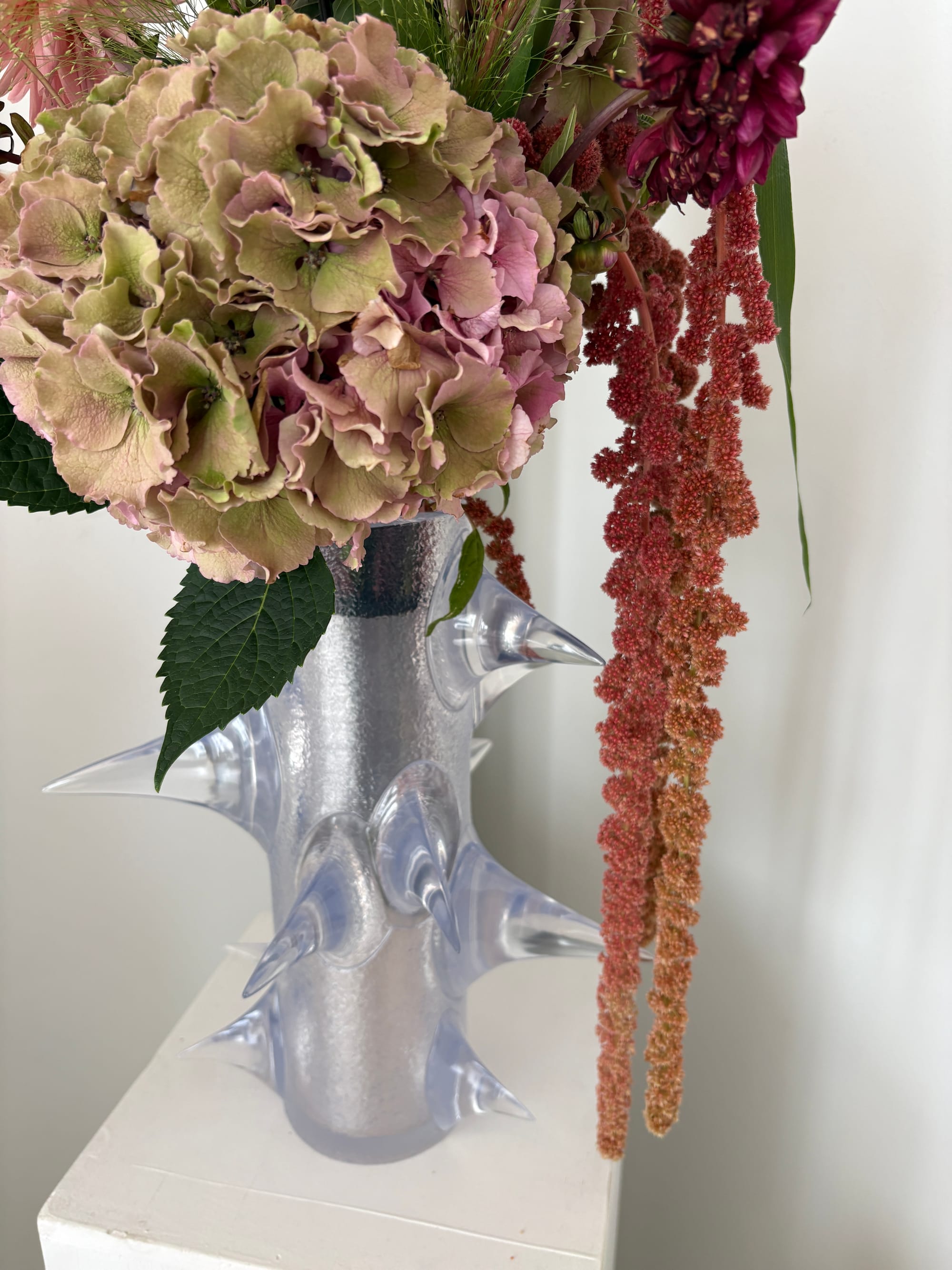
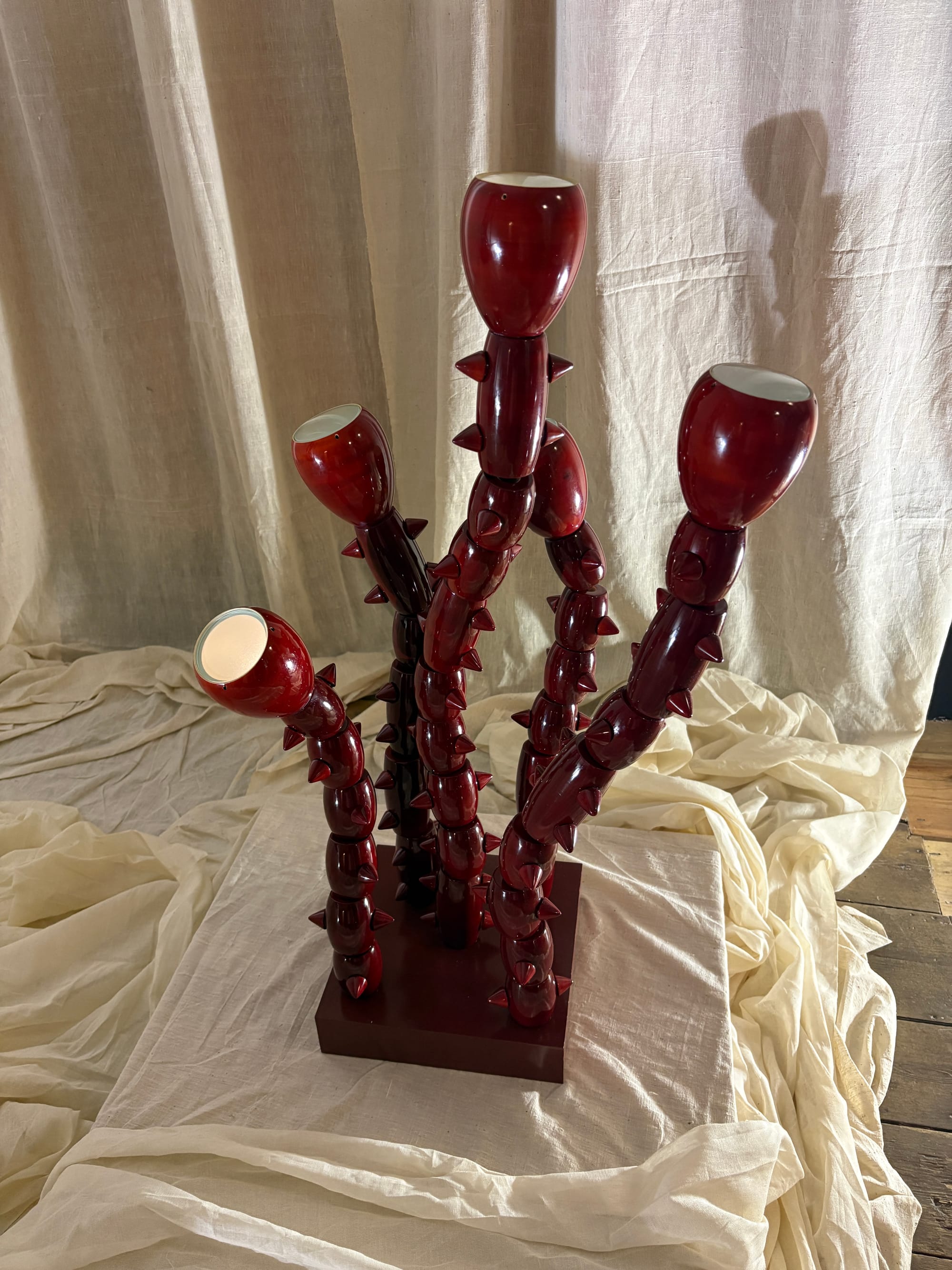
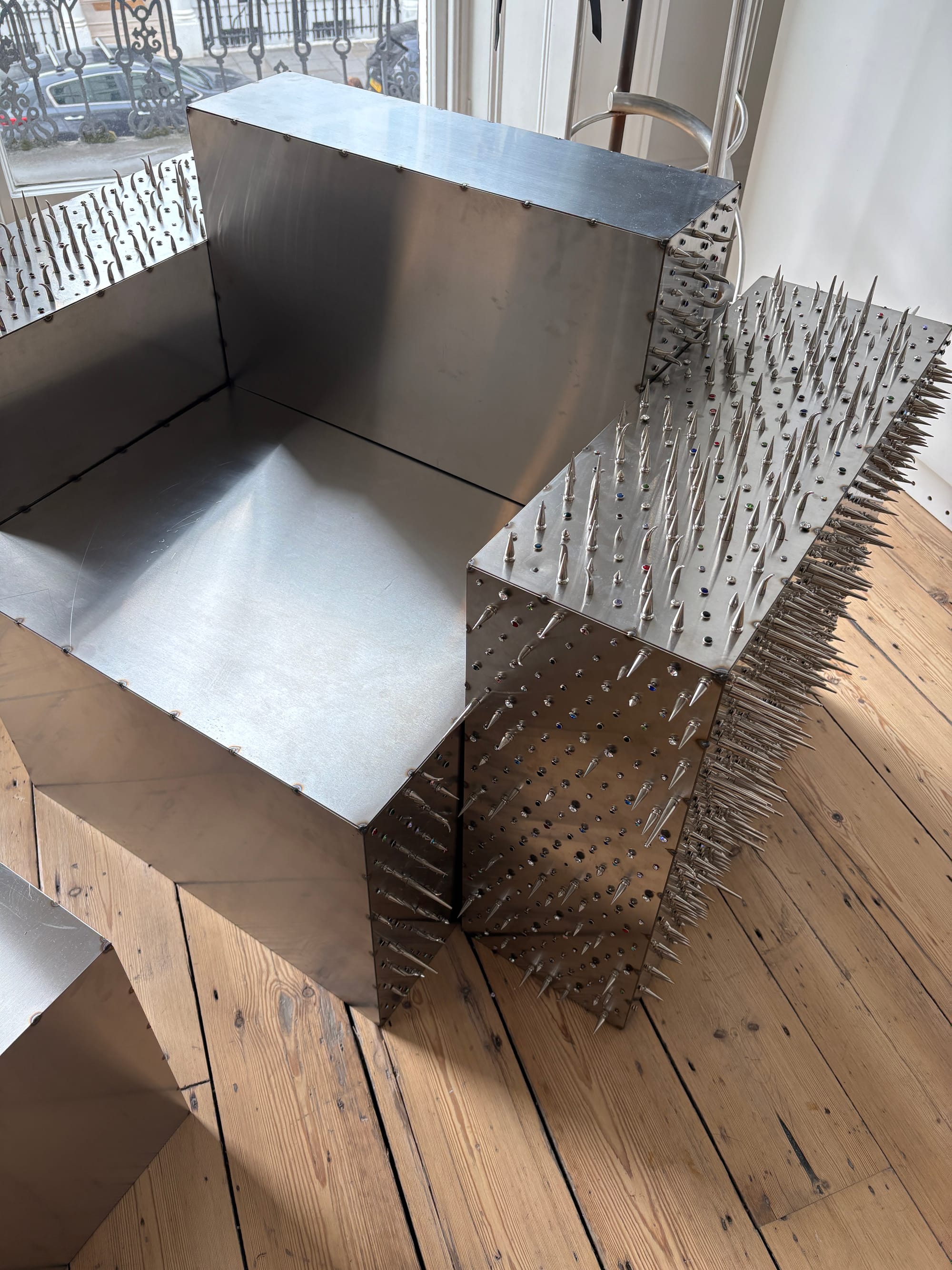
Top Left: Filomena Smola at 2LG Top Right: Gast Studio at Studio Iron. Bottom Left: Northsouth x 2LG Studio. Bottom Right: CJ Aslan at Studio Iron.
Wood was a prevalent material theme this year, veering away from refinements towards something far more elemental, exploring the raw qualities of the material. The American Hardwood Export Council (AHEC) brought Wood for the Trees to Shoreditch. Designed by Mitre & Mondays, this expansive installation charted a journey through abstracted woodland, from raw material to finished product. Josh Ling Studio showed his collection Increase the Noise at Material Matters, featuring pleasingly chunky blocks of wood, while Max Radford Gallery’s Progressive Permanence included Lewis Kemmenoe’s patchwork chair. And at Sarah Myerscough Gallery, Badlands, by Christopher Kurtz, transformed wooden offcuts into a ‘sea of timber.’
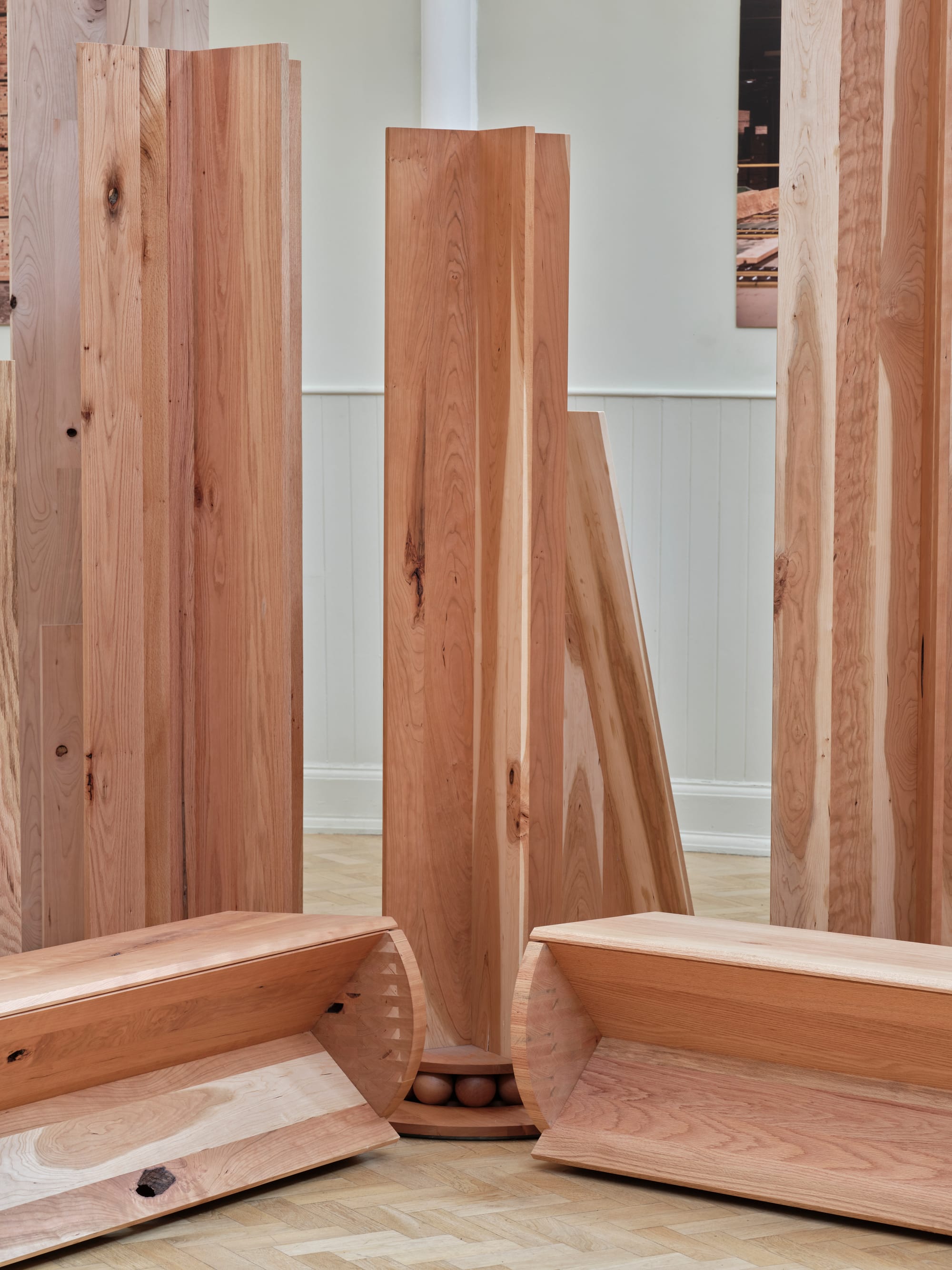
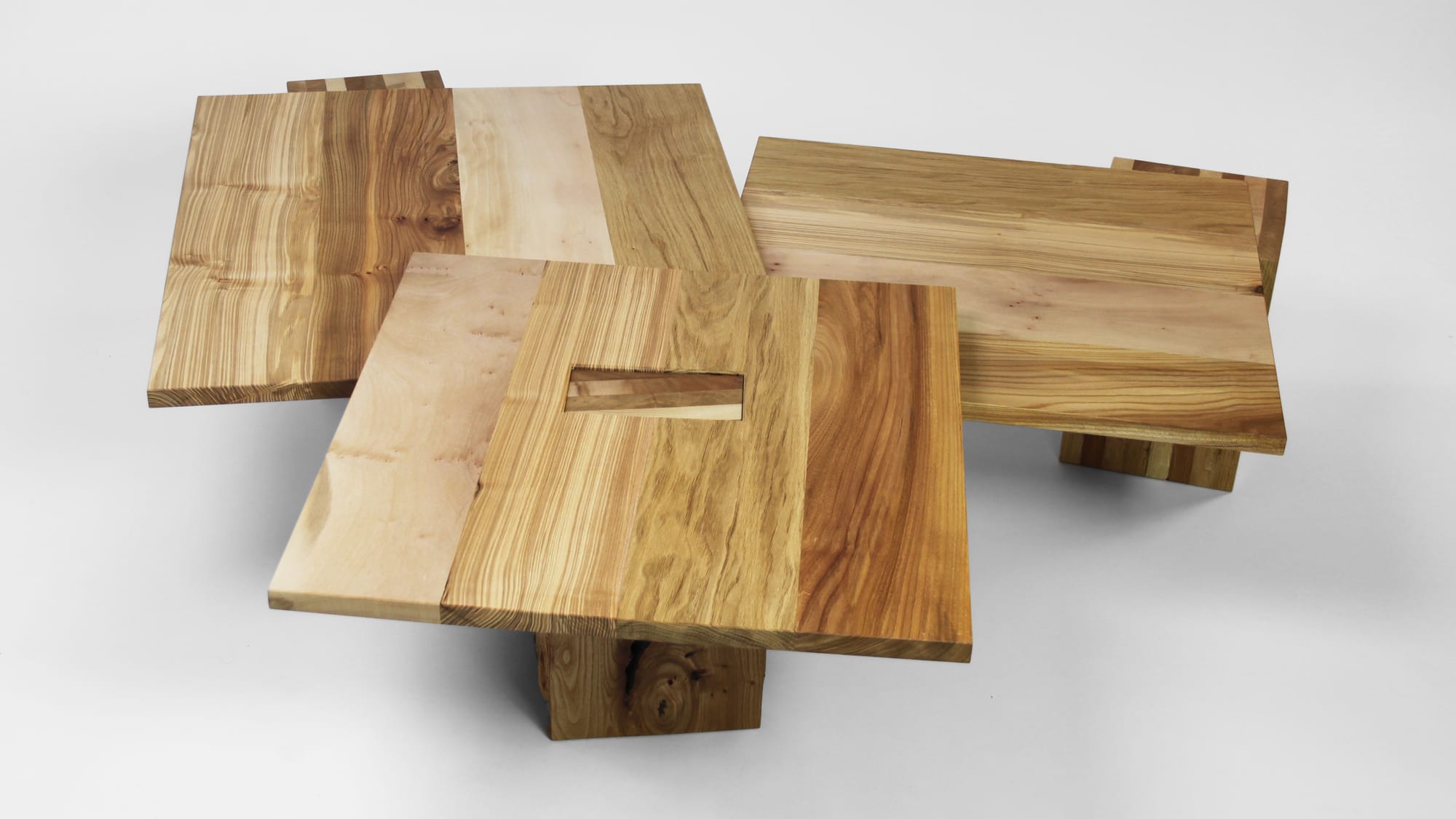
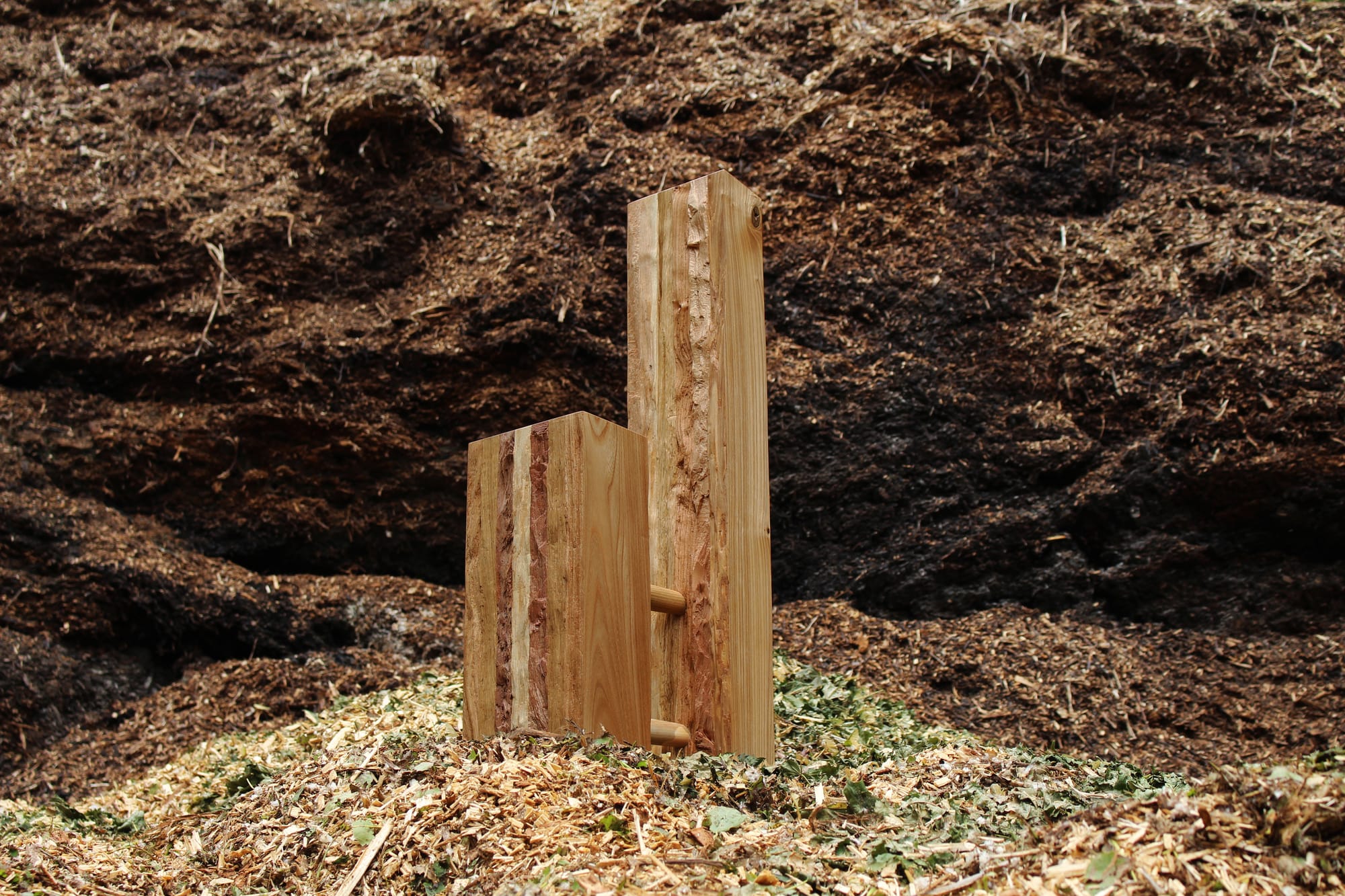
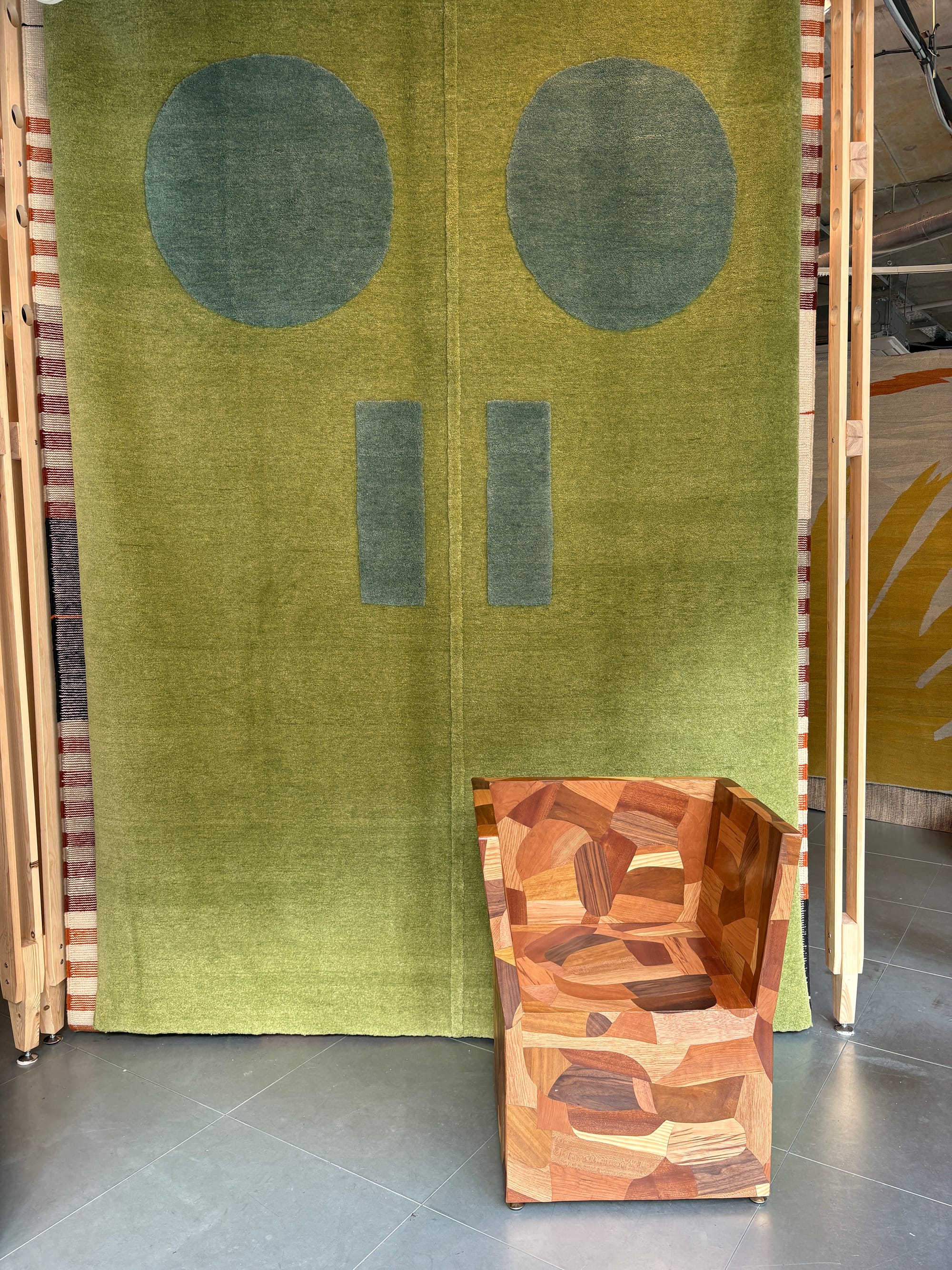
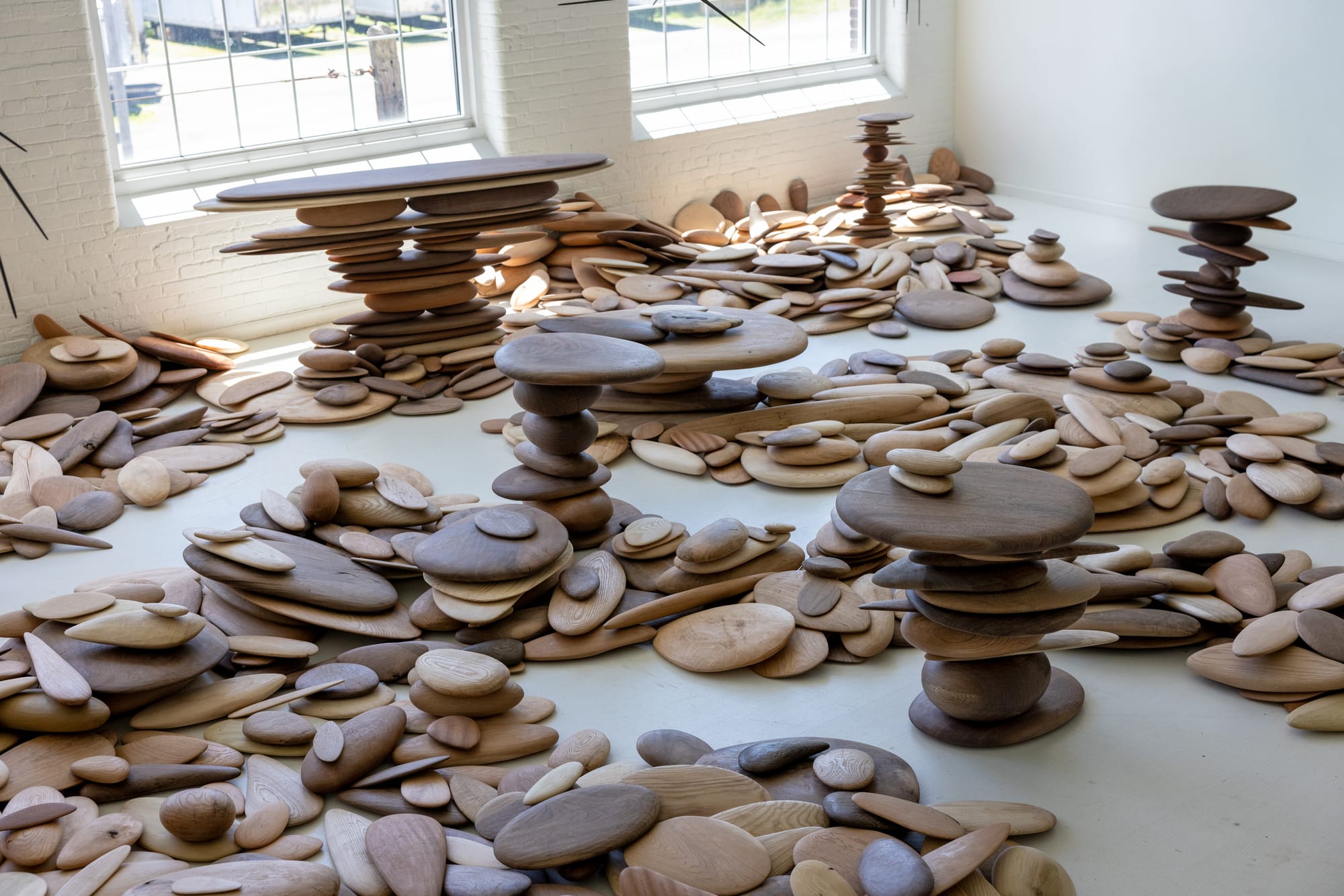
Top Left: American Hardwood Export Council (AHEC), Wood for the Trees. Top Centre & Right: Josh Ling Studio. Bottom Left: Lewis Kemmenoe at Max Radford Gallery. Bottom Right: Christopher Kurtz, Badlands, at Sarah Myerscough Gallery.
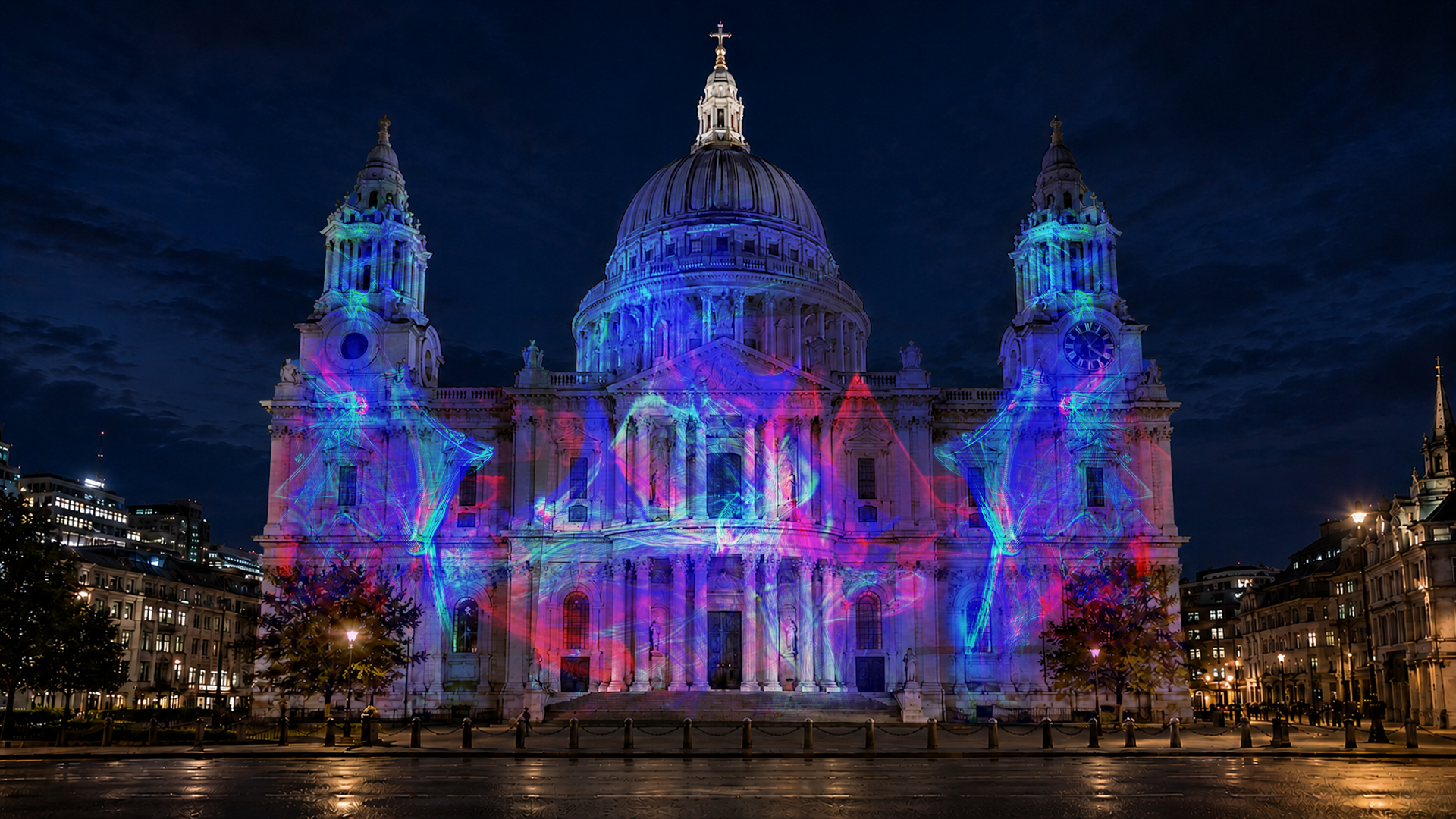
Finally, a word about lighting. There was a lot of innovation in this category this year. Landmark Project Soul, by Ukrainian lighting designer Mykola Kabluka, projected an immersive light installation onto St Paul's Cathedral. At House of Icon in Shoreditch, Oscar Nicol-Schwarz’s pulsating lights were delicate, beautiful and slightly unnerving. Resident’s elegant Drift pendant lighting looked sculptural in a group, as did Tamart’s Clore Beam, intersecting wood with handblown glass shades. There was a monumental quality to Vidushi Gupta’s Fragments floor lamp, sculpted from a single sheet of steel and then gas-cut by hand. At Charles Burnand, Kyeok Kim’s Surface of Memory 03 was made from copper, Korean natural lacquer and wood powder, formed into strange pods that looked as if they were about to hatch. And Jesse Butterfield presented sewn paper lamps in collaboration with paper.foundation, part of his collection A Veiled Boundary.
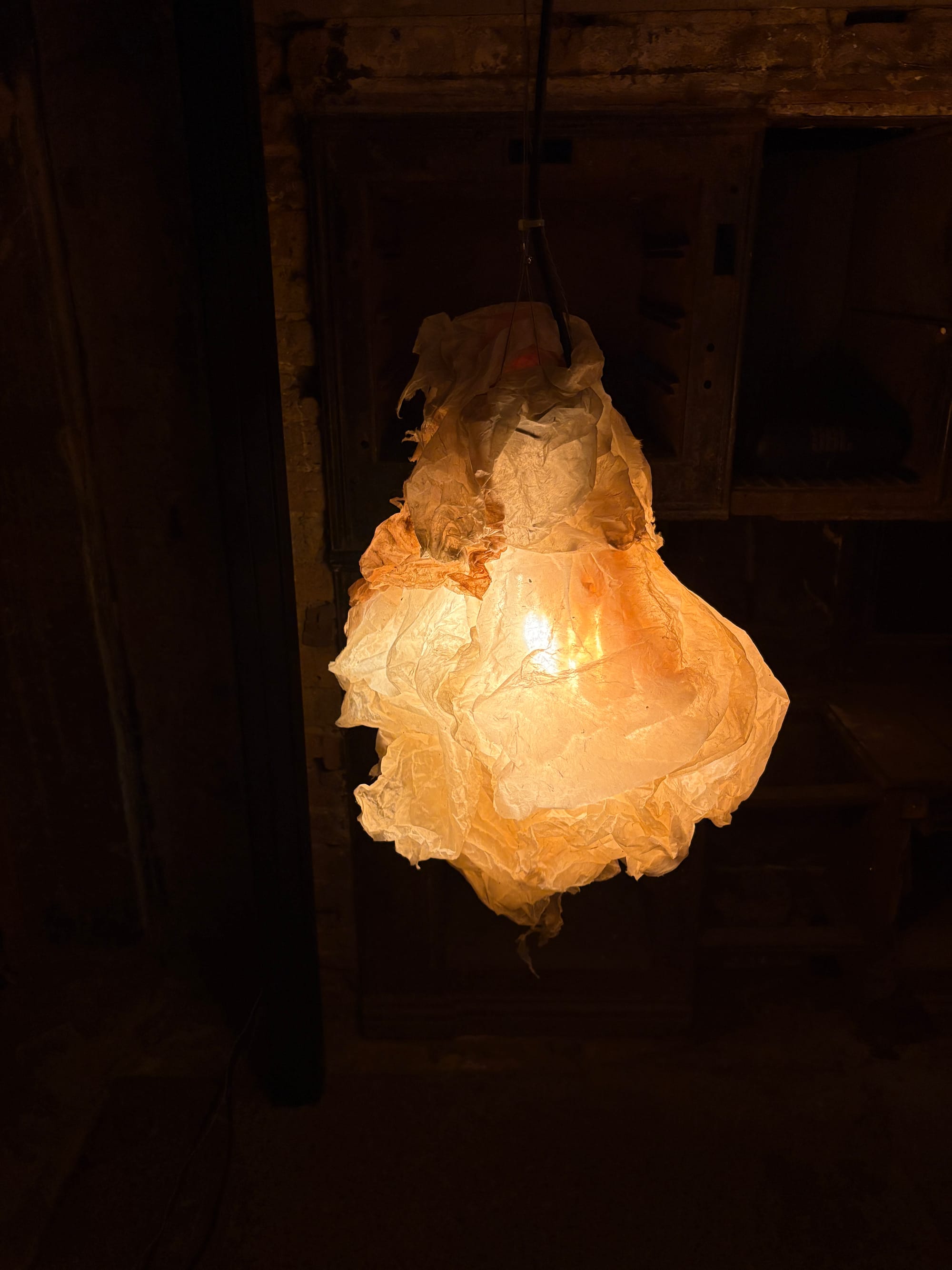

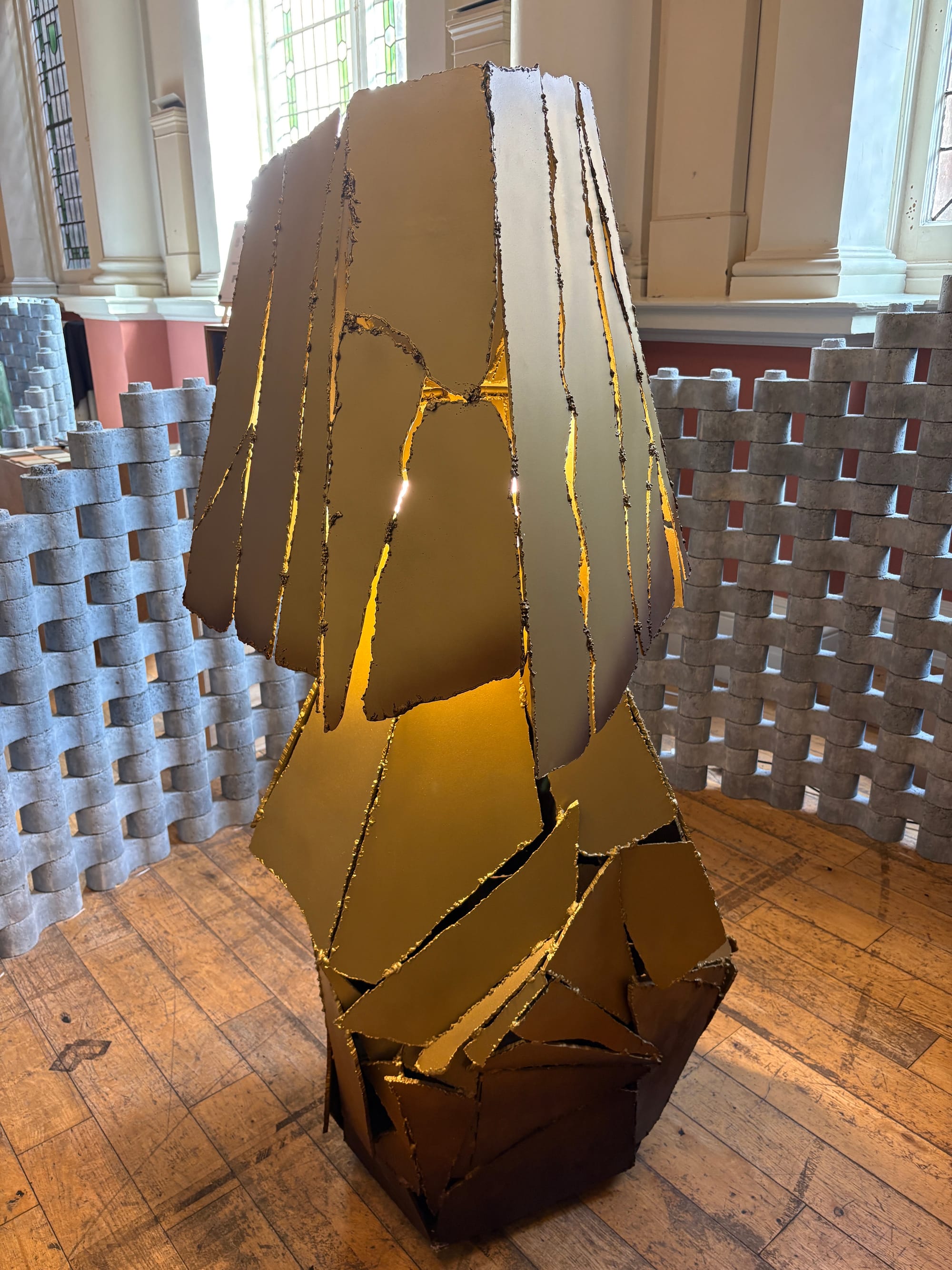
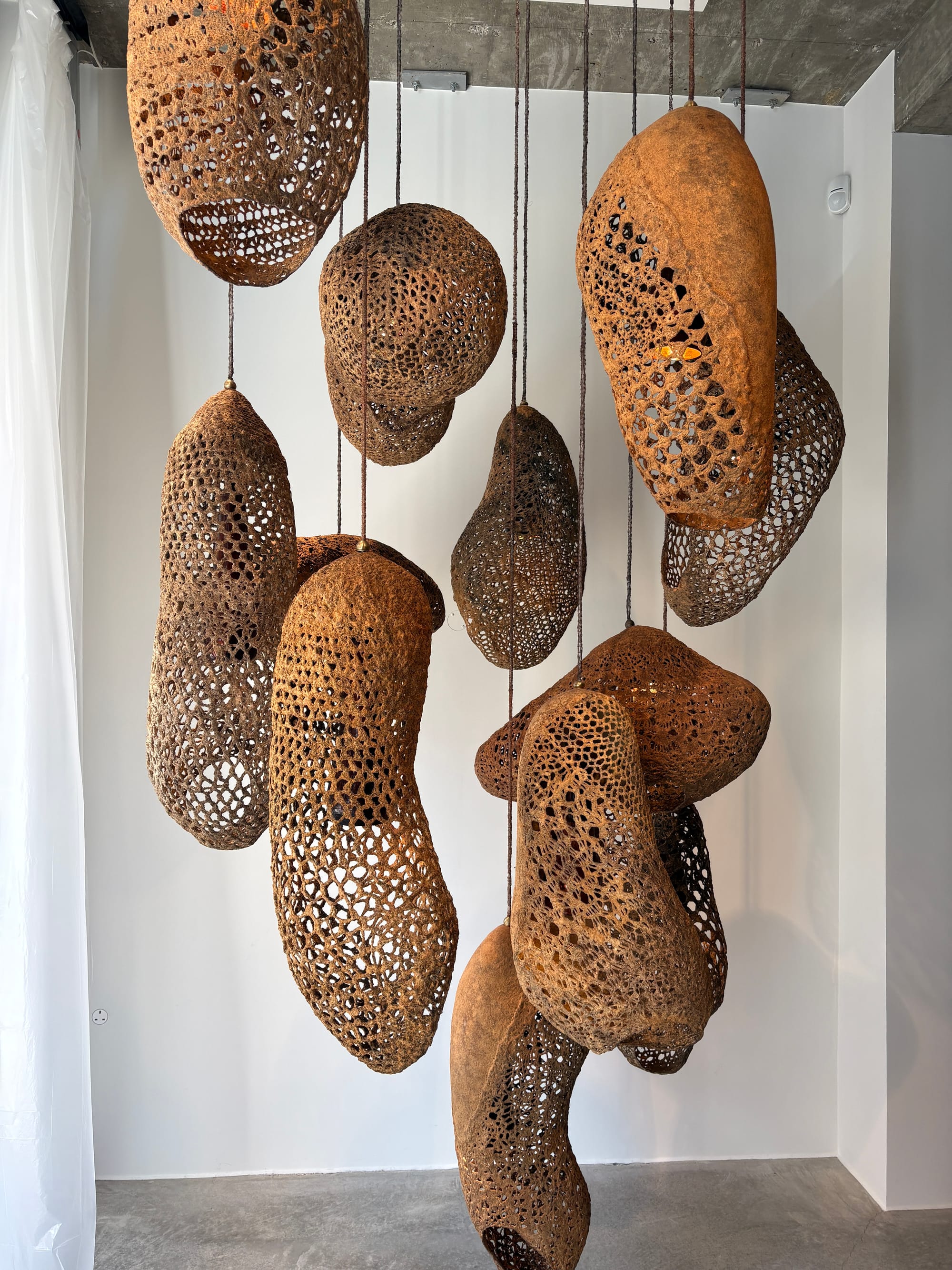
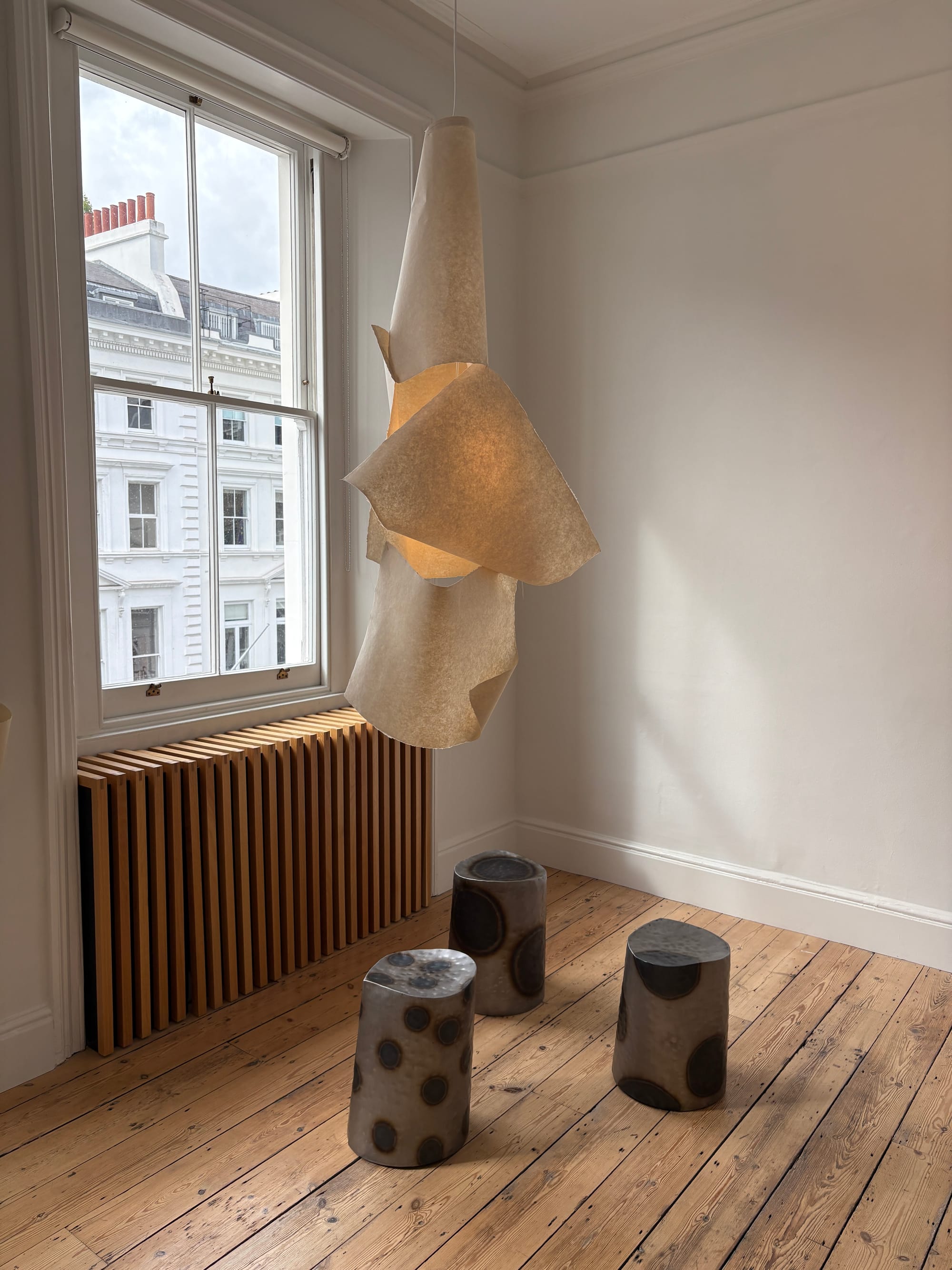
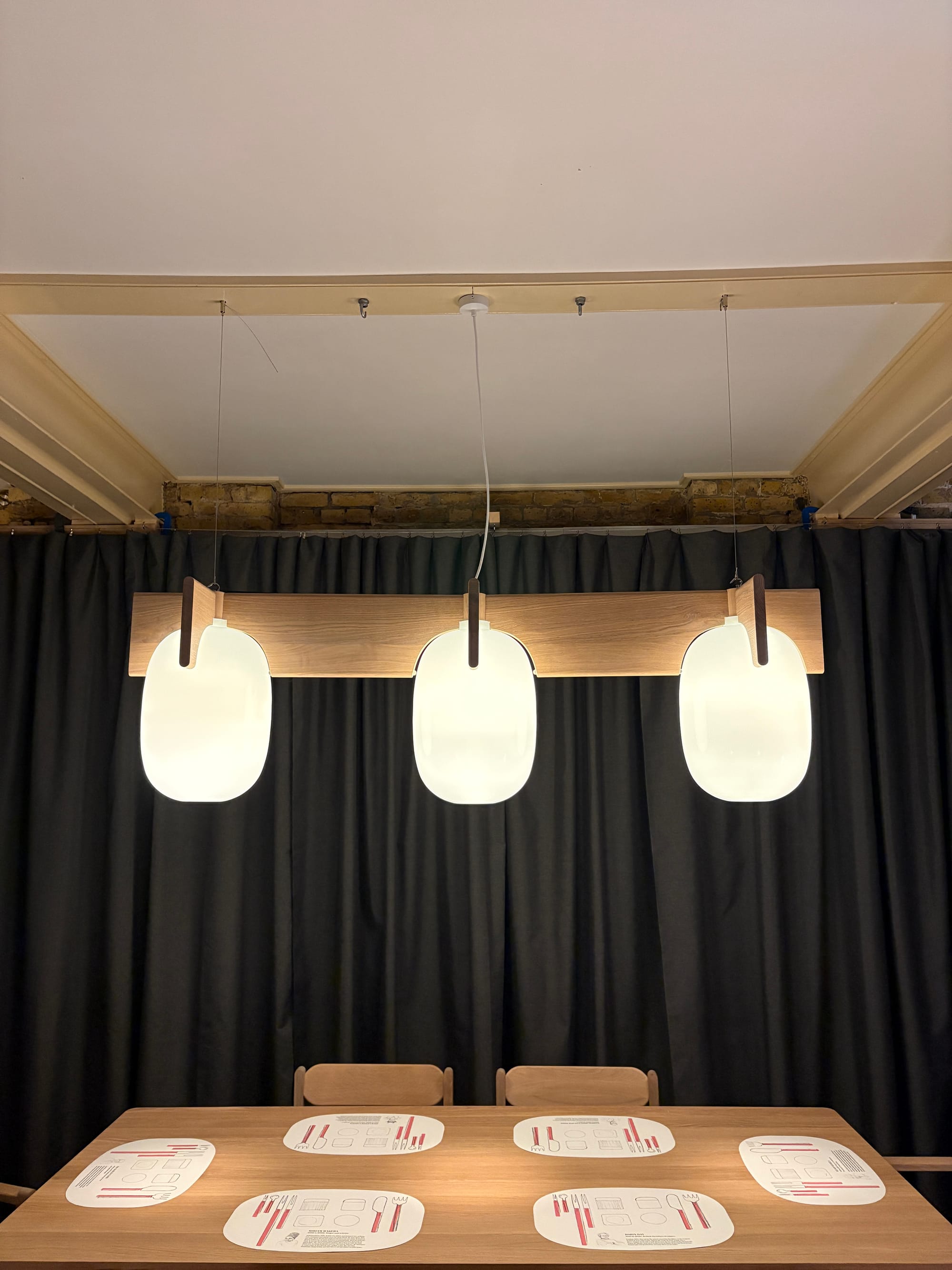
Top Left: Oscar Nicol-Schwarz. Top Centre: Resident. Top Right: Vidushi Gupta. Bottom Left: Kyeok Kim at Charles Burnand Gallery. Bottom Centre: Jesse Butterfield. Bottom Right: Tamart.