From iconic void works and giant, inflated spheres to steel mirrored sculptures and visceral installations, this new exhibition by one of the world's best known contemporary artists plays havoc with your perceptions.
As you enter the exhibition, Anish Kapoor's first in the UK for almost 30 years, a giant inflated red ball blocks your path, filling the space. It is squeezed, in the words of curator Ralph Rugoff, "By the brutalist corset" of the Hayward Gallery's concrete walls. The ball is playful but also unnerving, like a Roald Dahl story. It doesn't feel like things will end well. But then Anish Kapoor's sculptures have always set out to unsettle. "Is it art? The poetic object needs to sit in a space of uncertainty and questioning," he explains.
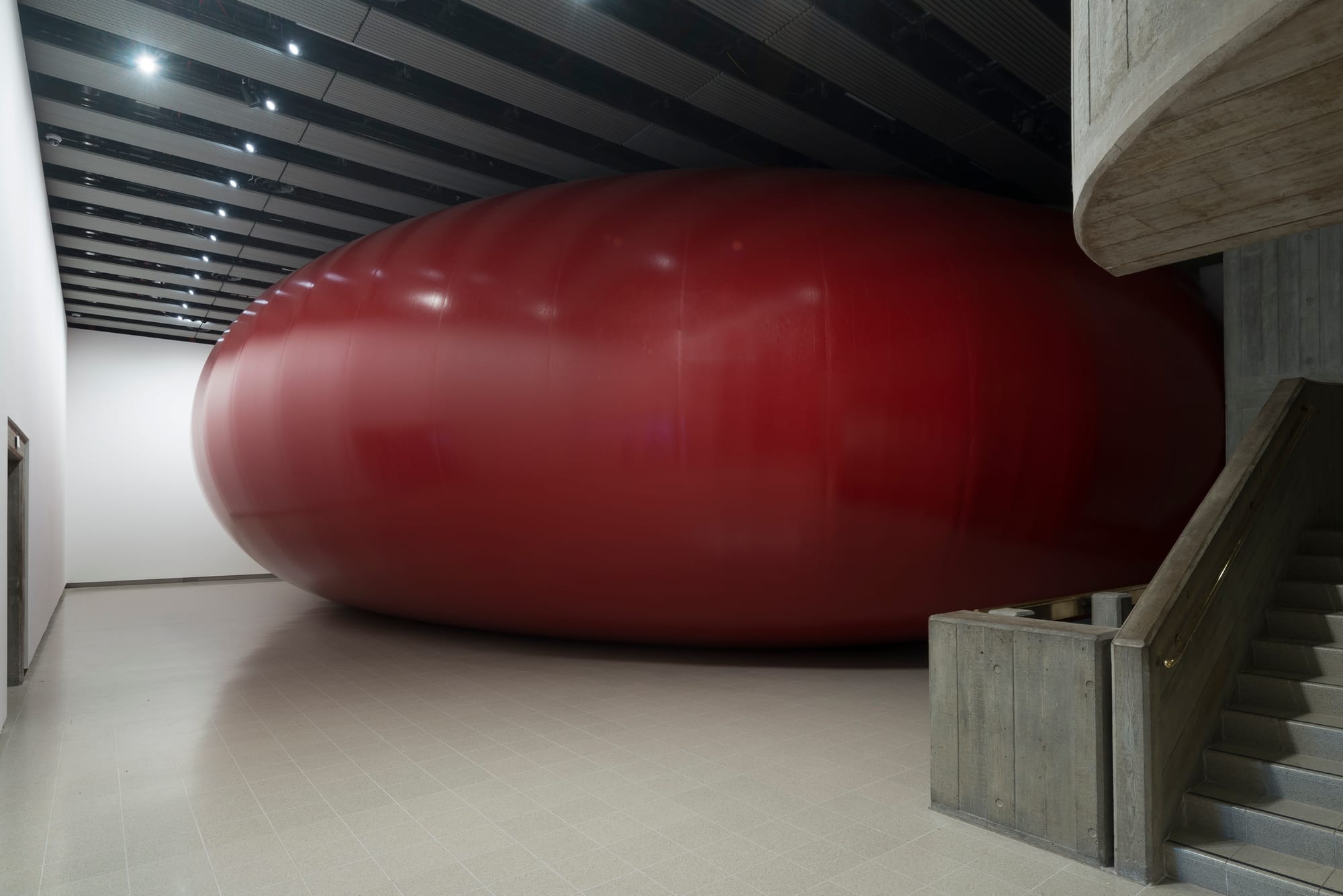
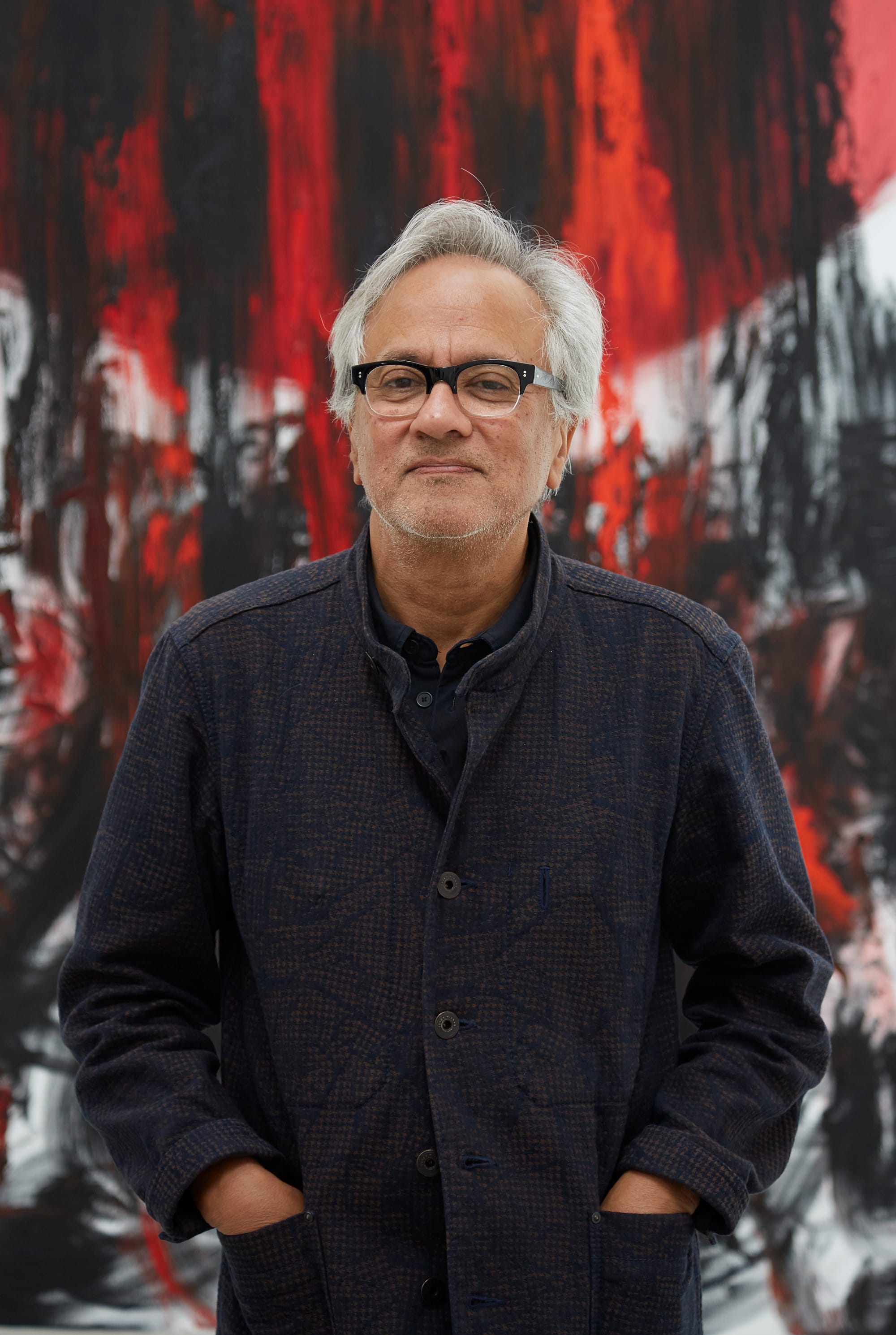
Left: All of Nothing (2026) Installation view of Anish Kapoor. Photo: Dave Morgan. Courtesy of the Hayward Gallery & the artist (c) Anish Kapoor. All rights reserved, DACS, 2026. Right: Anish Kapoor Photo George Darell.
The next space is a brilliant, futuristic white, sparsely populated by the artist's famous Void works. Here visual trickery messes with your mind. Is it a hole or a circle of black carpet? Is a mirror concave or convex? What appears flat from one angle suddenly becomes rounded and proud from the wall. Nothing is stable, everything sits in a strange, otherworldly space.
It is Kapoor's use of colour here, the famous Vantablack, the blackest black in the world, along with the darkest of dark Prussian blues that really informs these pieces. Some appear almost velvety at times, also deeply illusory. As Rugoff explains, "These void paintings have delineated space that is ambiguous, you are not sure what you are looking at. The experience of doubt is an important part of the aesthetic experience, these things hover between the material and the immaterial. The visual illusion is so strong."
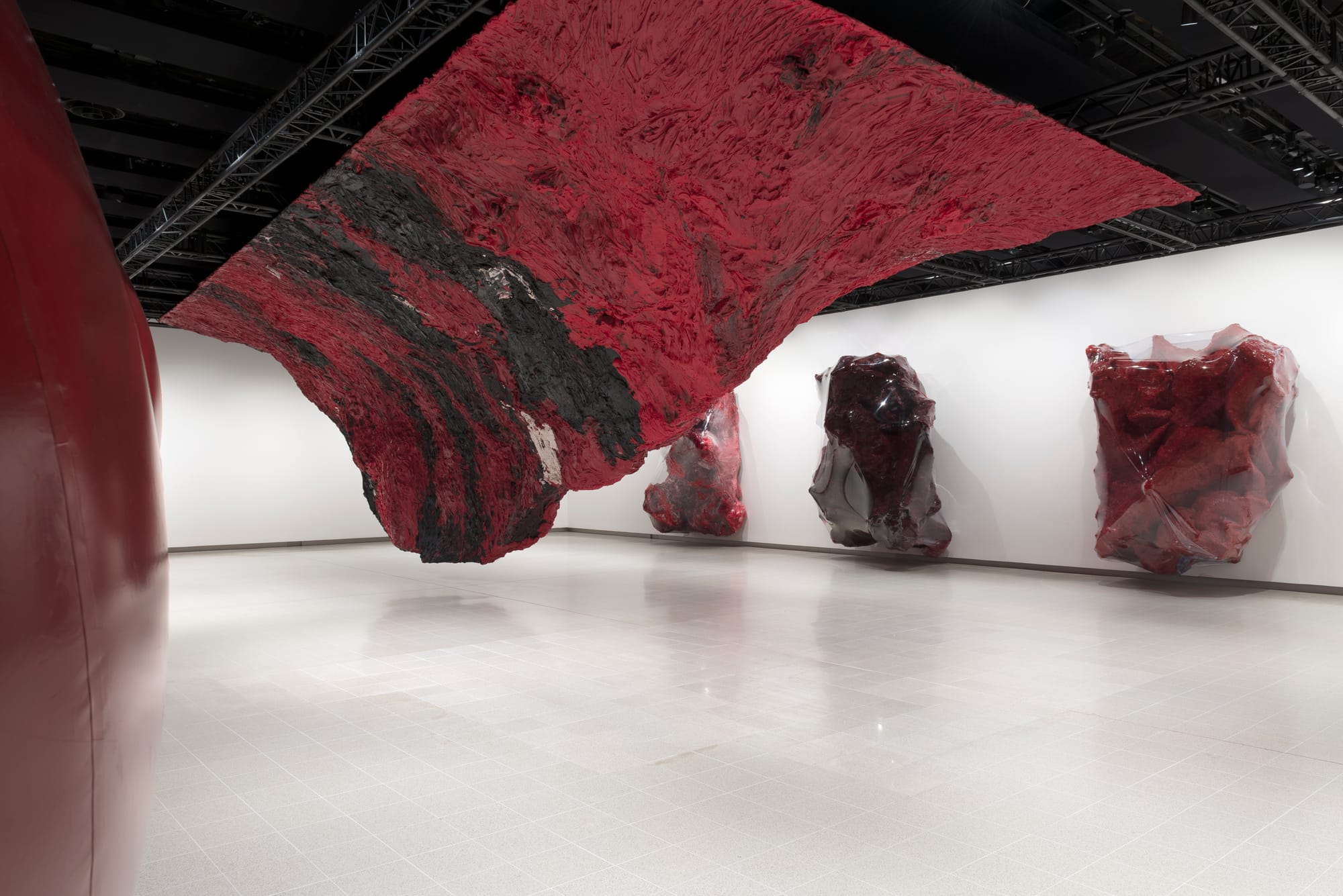
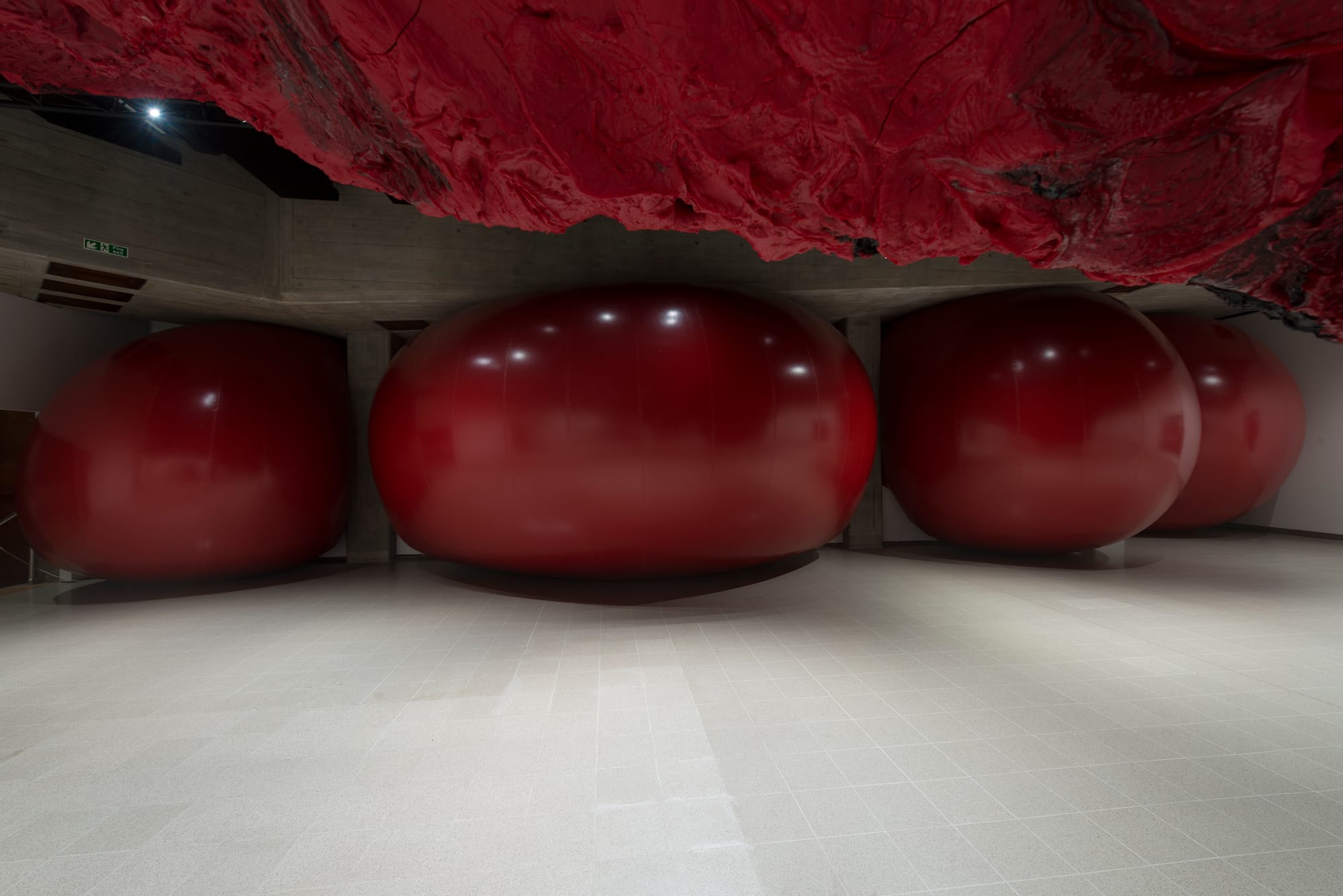
Left & Right: Installation view of Anish Kapoor. Photo: Dave Morgan. Courtesy of the Hayward Gallery & the artist. (c) Anish Kapoor. All rights reserved, DACS, 2026.
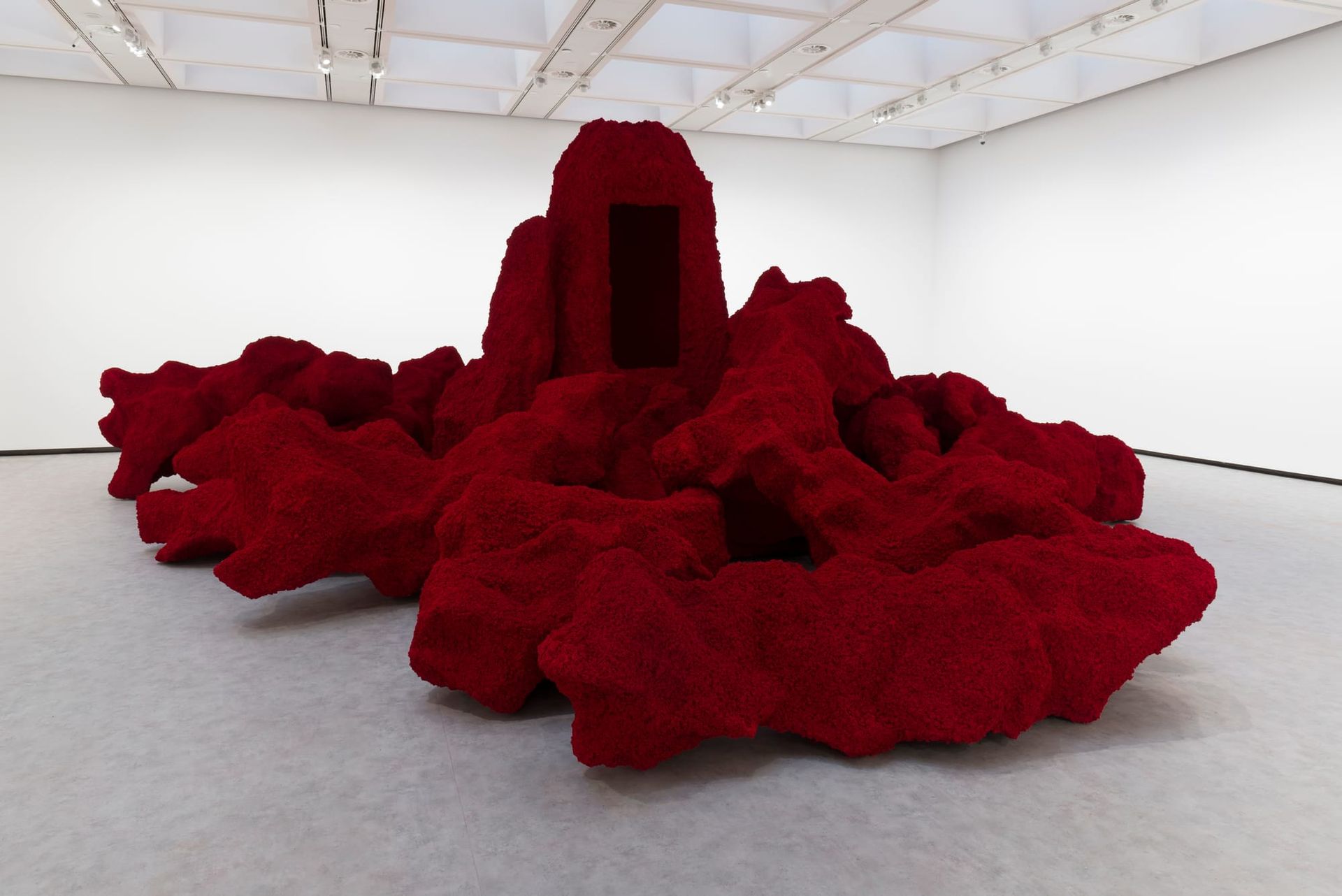
Moving on, Kapoor's work takes a darker turn. "There are small currents of violence that ripple through the show like a dark undertone, references to sacrifice, blood, to (the) wreckage of eviscerated bodies. Some of this work is disturbing and shocking. It's not explicit, it's implicit, you project onto and engage with it," explains Rugoff.
Again colour is used to extraordinary effect, with red front and centre, veering from dark arterial to scarlet. Kapoor often favours red in his work, a colour chosen for its emotional and ceremonial associations. He explains: "This open and visually beckoning colour also associates itself with a dark interior world. I try to make a condition of colour not just a painted surface. I want to make something that's red in such a way that its redness occupies the whole space of your vision."
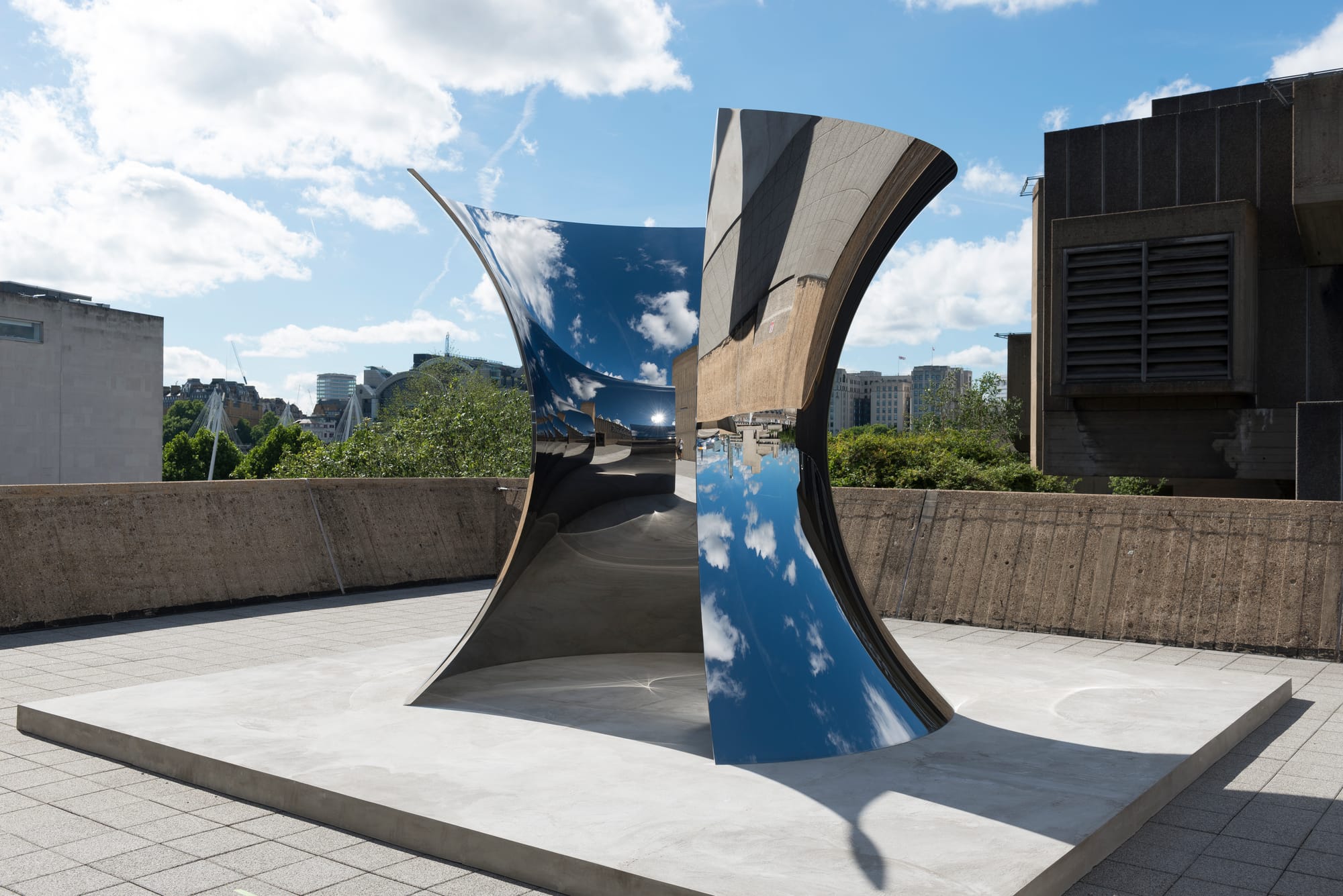
Left: Tsunami, installation view of Anish Kapoor. Photo: Dave Morgan. Courtesy of the Hayward Gallery & the artist. (c) Anish Kapoor. All rights reserved, DACS, 2026. Right: Cloak.
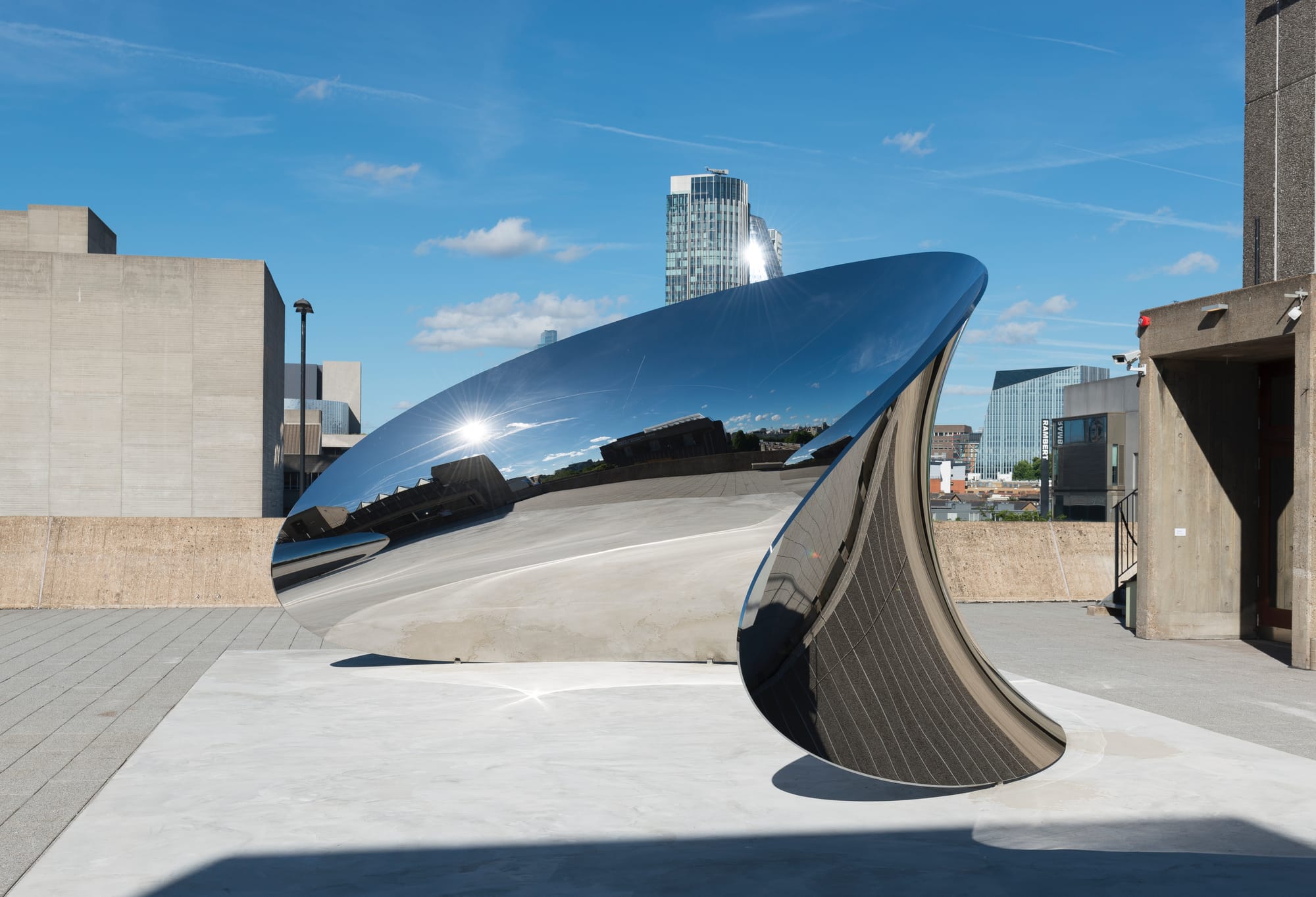
Along with colour, scale is used to further unbalance the viewer. Kapoor paraphrases Barnett Newman when he says "Scale is not a matter of size, it is a matter of meaning. It is this mysterious, very important tool of the sculptor." And then there is the activity of the audience, how things change radically when you walk around these sculptures. This is particularly true of the final two highly reflective pieces outside the gallery, where the viewer and landscape is trapped and inverted, becoming part of an endlessly changing art work. As the artist explains, "Sculpture is traditionally about the physical object and yet there is the non-object."
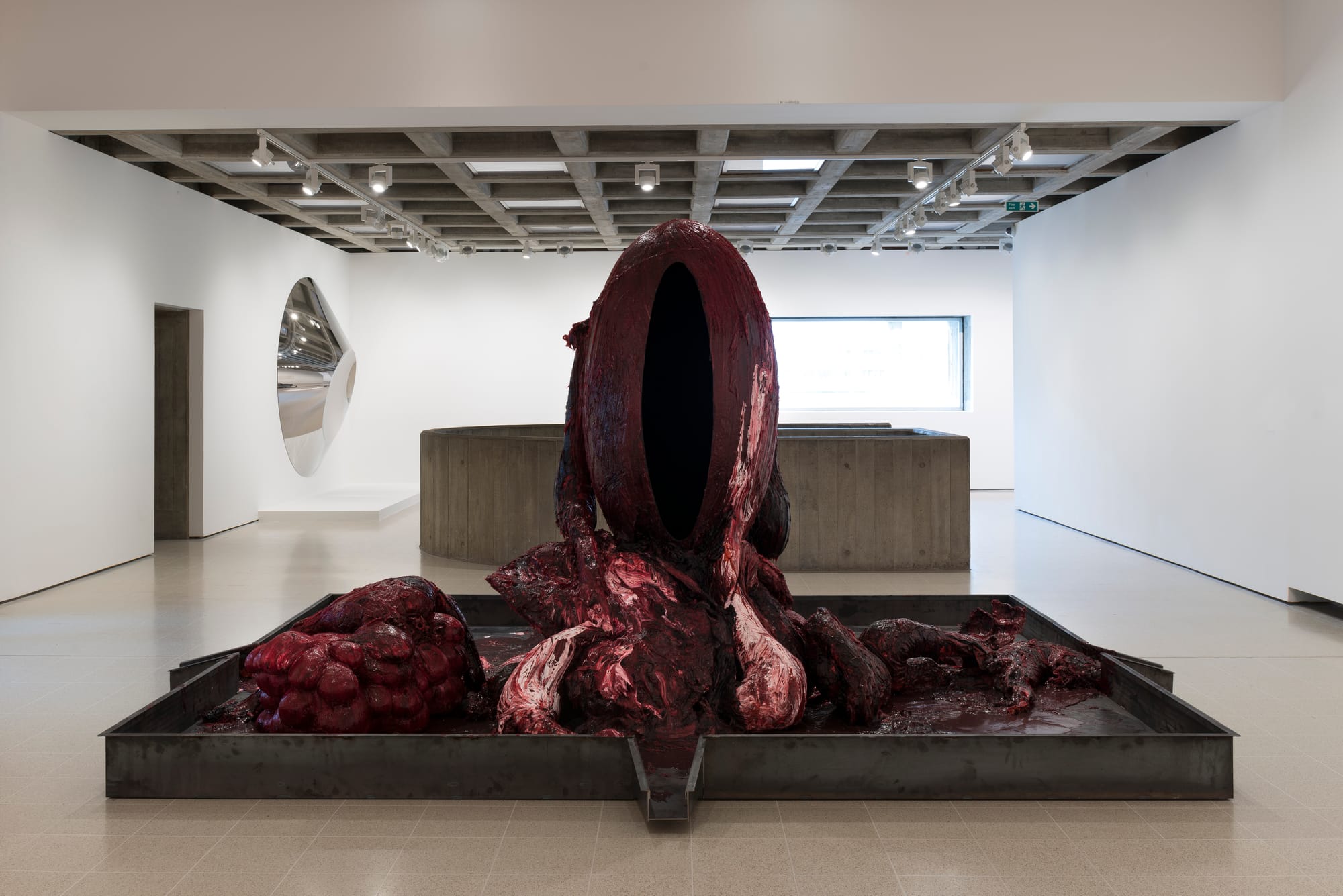
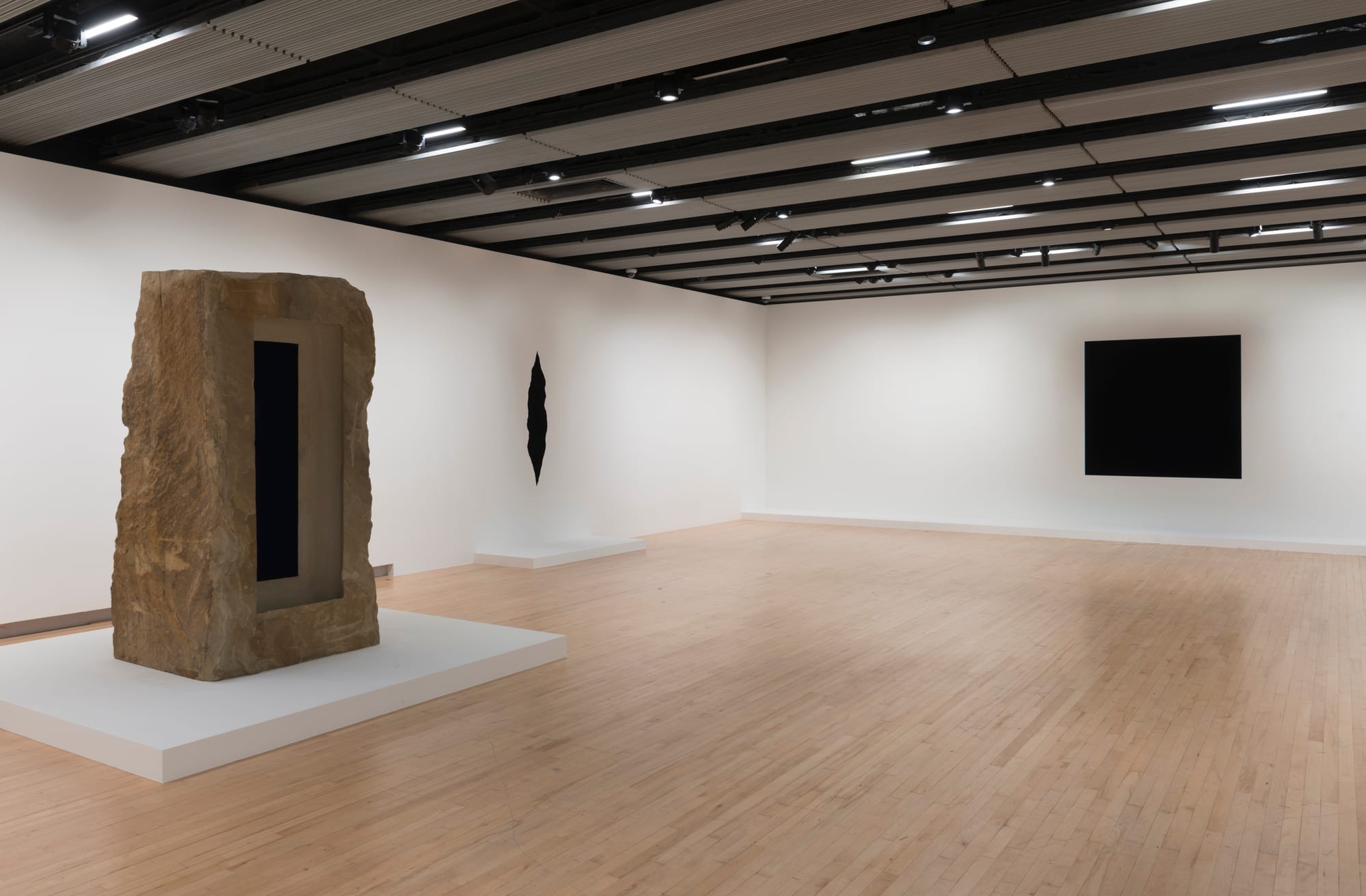
Left & Right: Installation view of Anish Kapoor. Photo: Dave Morgan. Courtesy of the Hayward Gallery & the artist. (c) Anish Kapoor. All rights reserved, DACS, 2026.
All these works occupy a threshold, almost dreamlike state. For Rugoff, this is the beauty and meaning behind Kapoor's work. "Our rational brain suddenly pauses; it doesn't know how to parse the information. This opens up other parts of our brains to perhaps have more creative responses to what we are looking at."
Anish Kapoor is at the Hayward Gallery, Southbank Centre, London until 18 October 2026.