A new exhibition at Somerset House highlights our collective need for something to believe in, however secular the age. At Holy Pop! idols and deities may have been replaced by Britney and Dolly, but the underlying worship remains the same.
Shrines date back to pre-history. Little spaces dedicated to ancestors, deities and heroes, they were (and continue to be) filled with idols and precious relics. All over the world, wherever there is the need for belief you will find them stuffed with rich colour, detail, pattern and forms. They tell stories of love and devotion, of the need for protection in a harsh world. These stories may have changed over the years, but the demand for shrines has not abated. Instead musicians, poets, celebrities and royals have stepped in to replace old Gods.
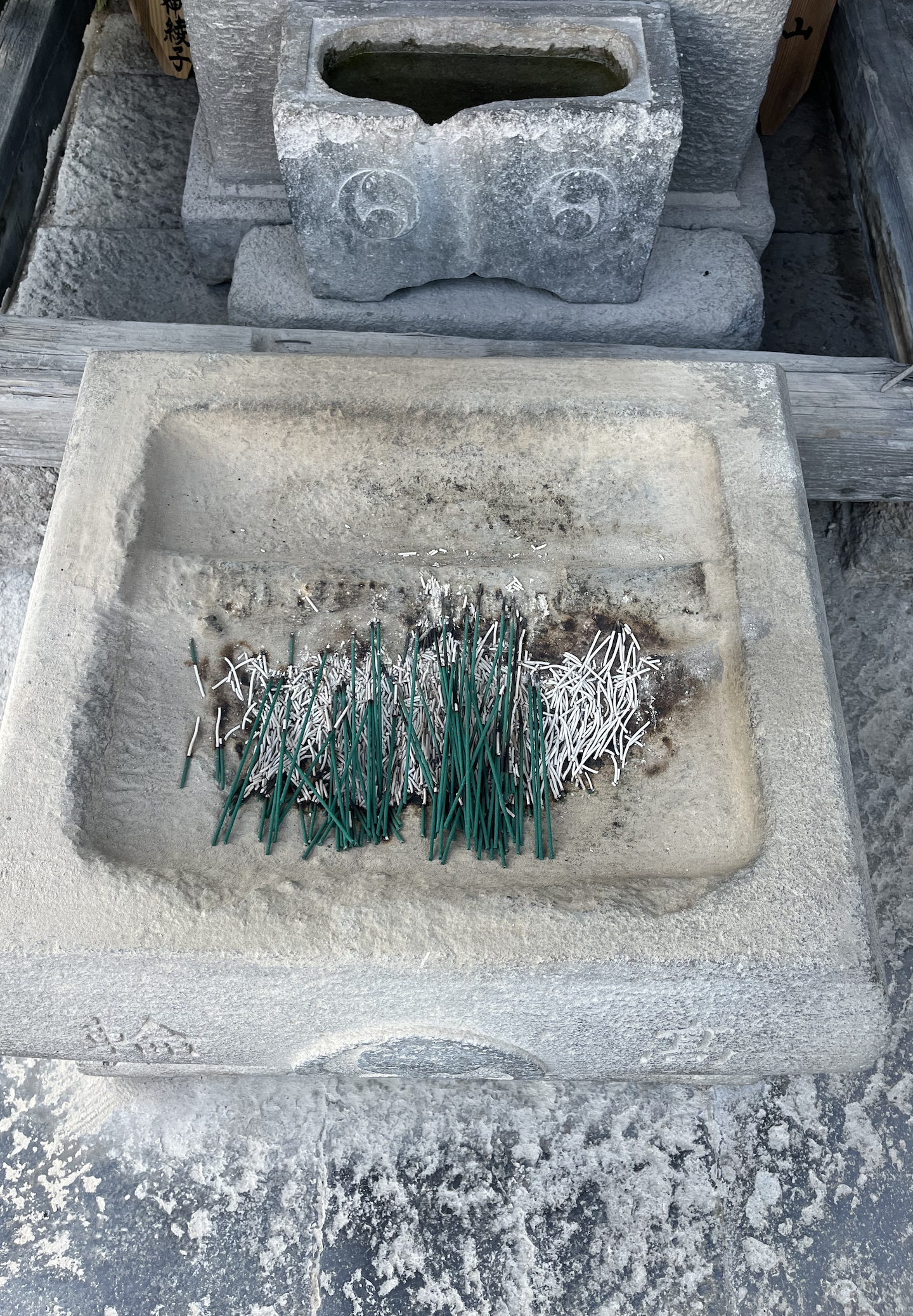
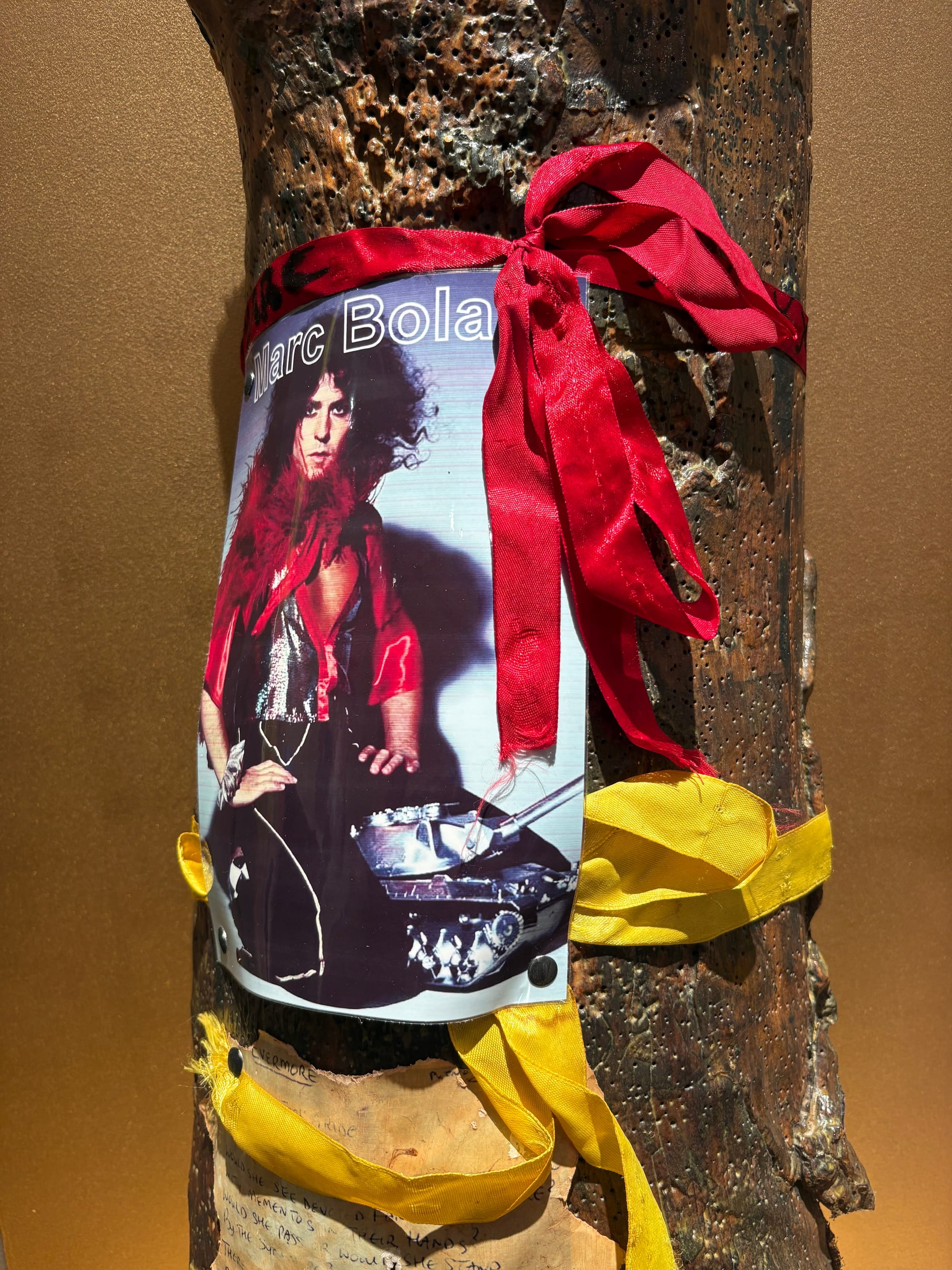
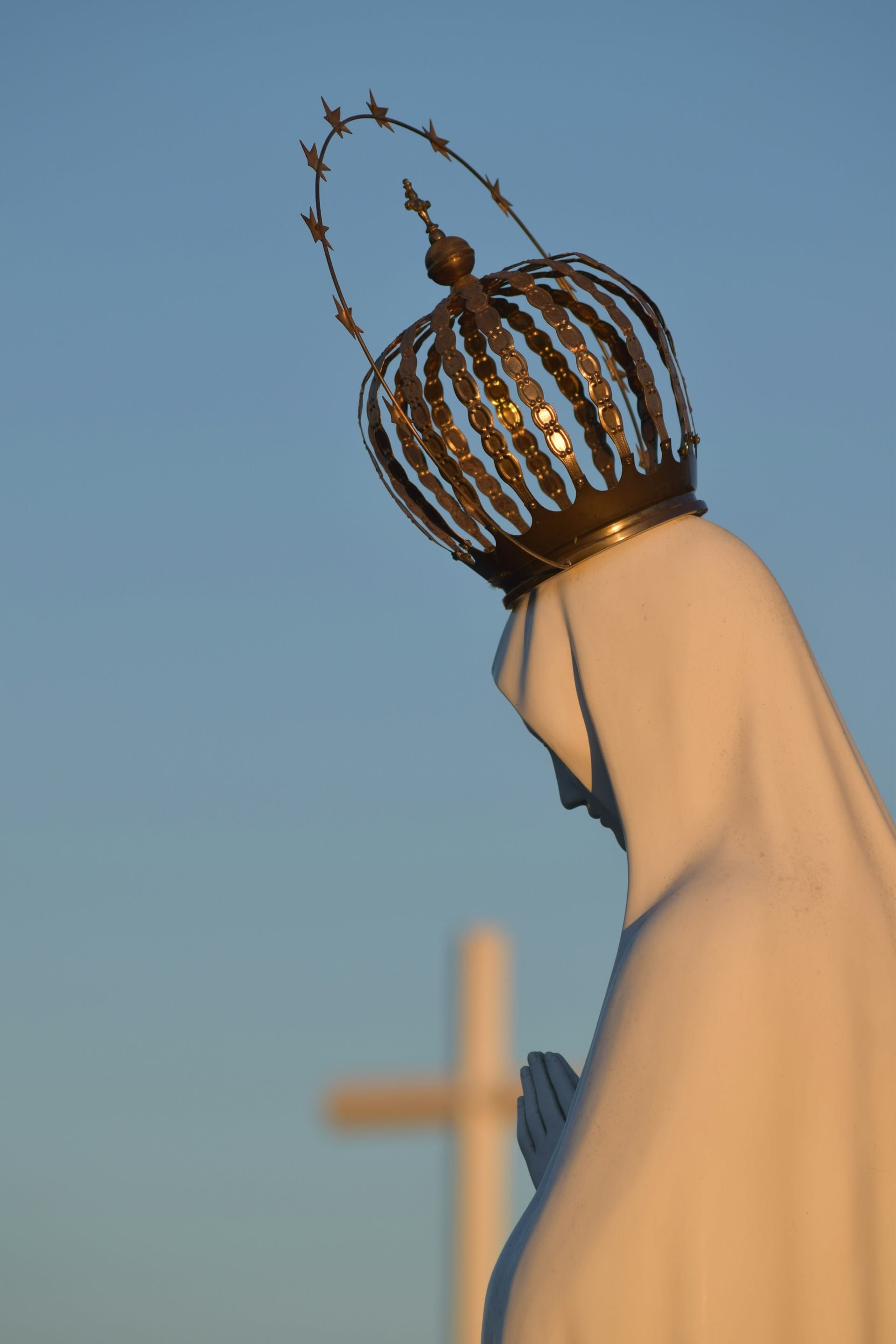
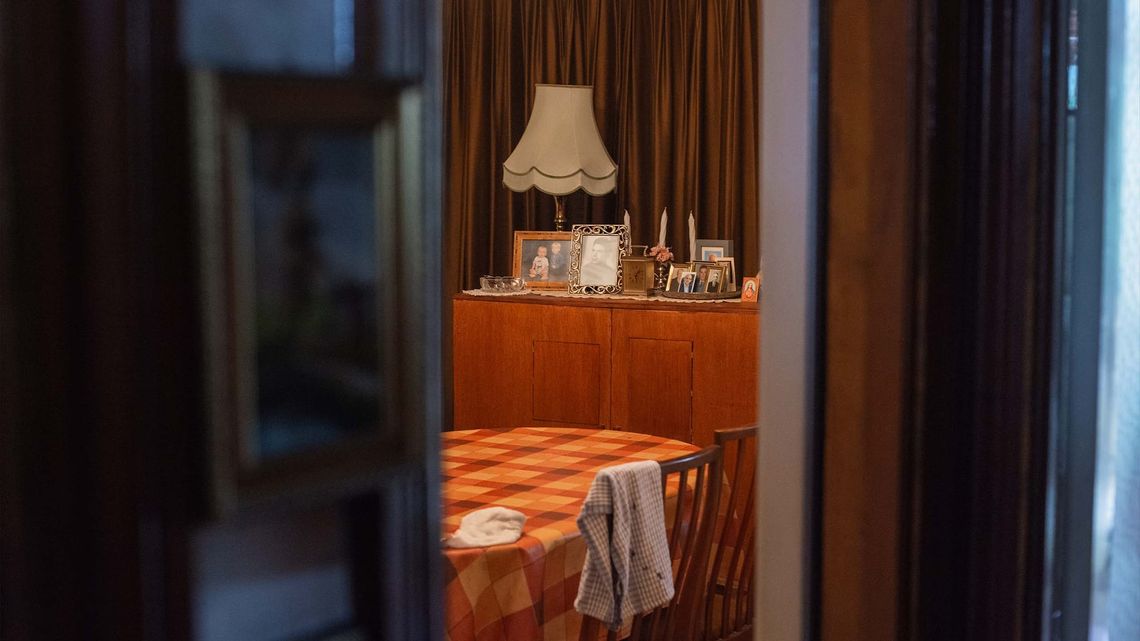
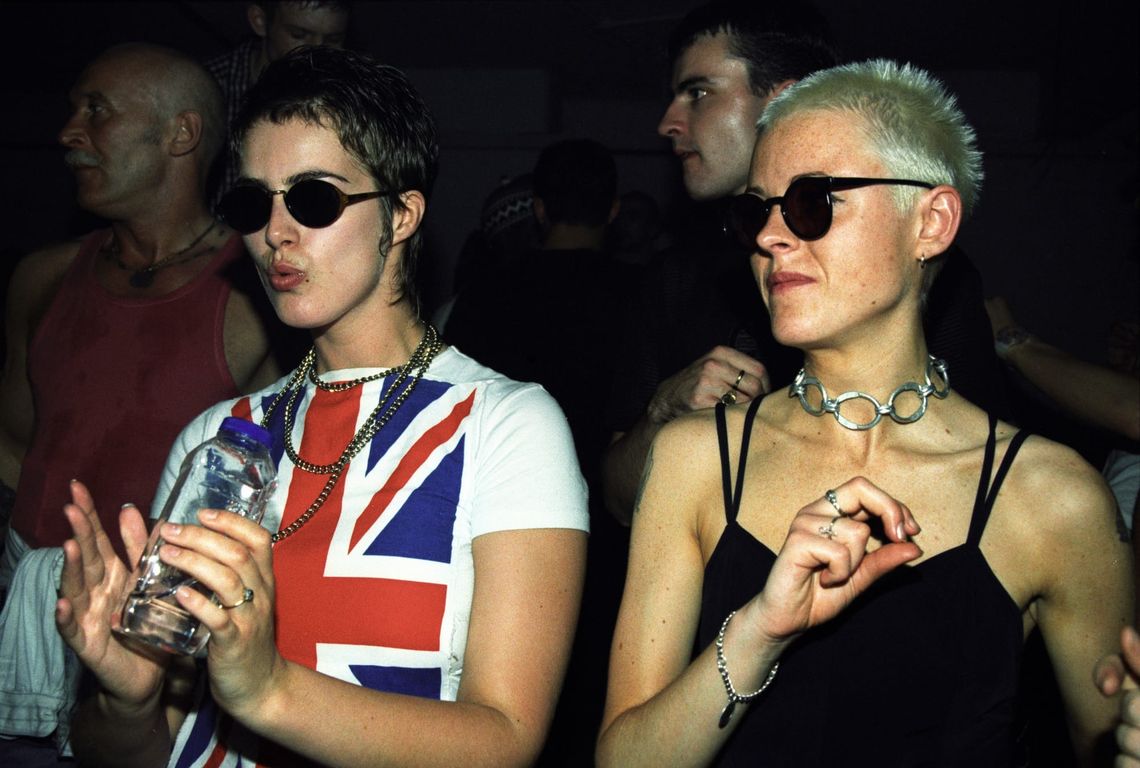
Left: Sengakuji temple, Tokyo Centre: Mark Bolan, Holy Pop! Right: Photo: Mateus Campos Felipe.
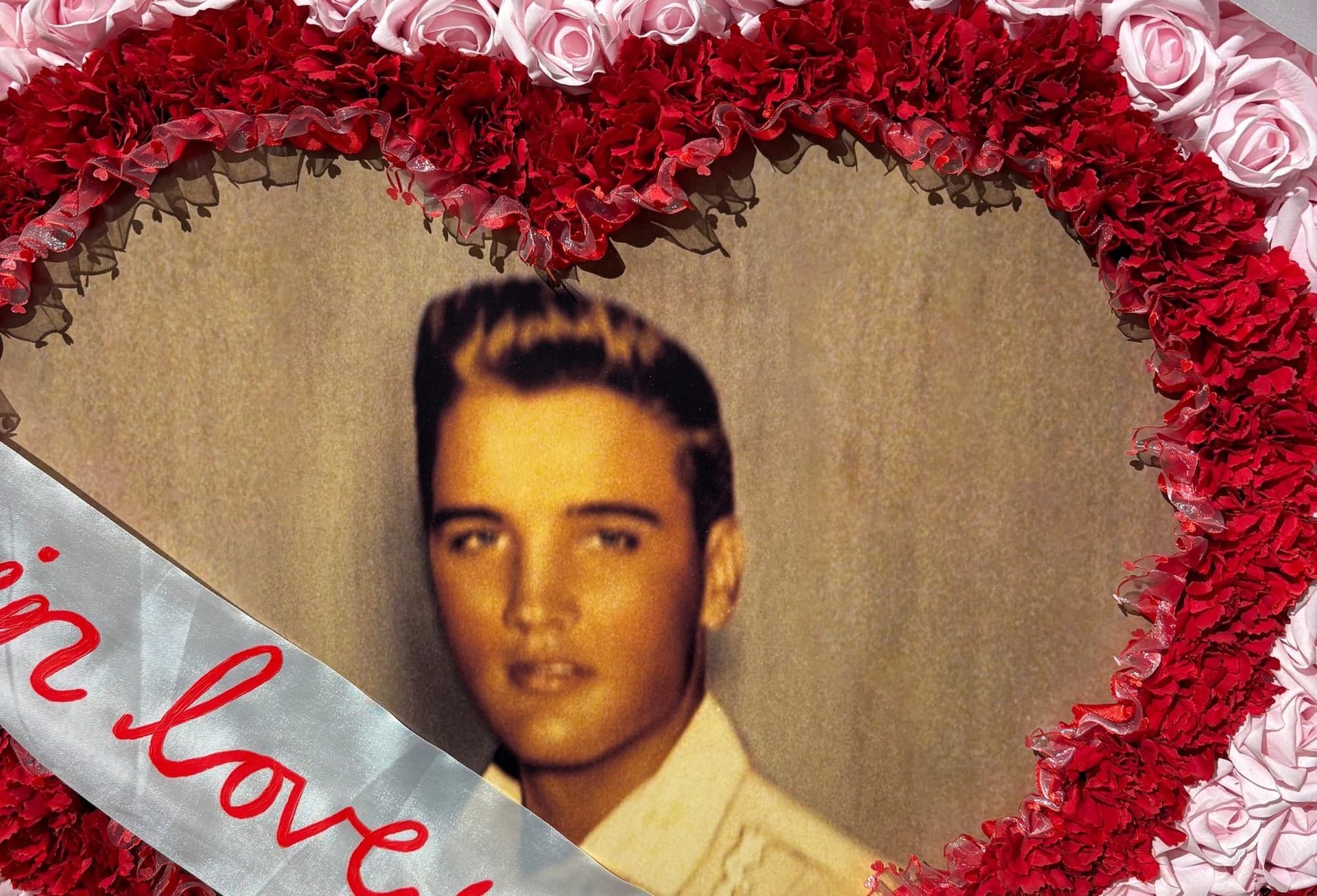
Holy Pop!, an exhibition at Somerset House, London, sets out to explore the strange but compelling world of modern shrines. Curated by Tory Turk, the premise is to look at how this very ancient human imperative has morphed in a digital age. There is no doubt that shrines draw people together; to illustrate this there is a haunting picture of the sea of flowers left in tribute to mark the death of Princess Diana. Equally, shrines can mark the passing of fictional characters; a picture of a pile of stones topped with a cross is a shrine was made by fans to mark the death of Dobbie the house elf of Harry Potter fame. Then there is Connor Coulston’s Notice me…take my hand (Britney pot), which pays homage to Britney Spears with a photo of the pop princess ensnared in gold snakes. And performance artist Molly Soda’s Chic Magnet looks to fridges covered with magnets and photos, acting as an unintentional family shrine. Finally, Nina Simone's discarded chewing gum is treated like a religious relic, place reverently on a black velvet pillow.
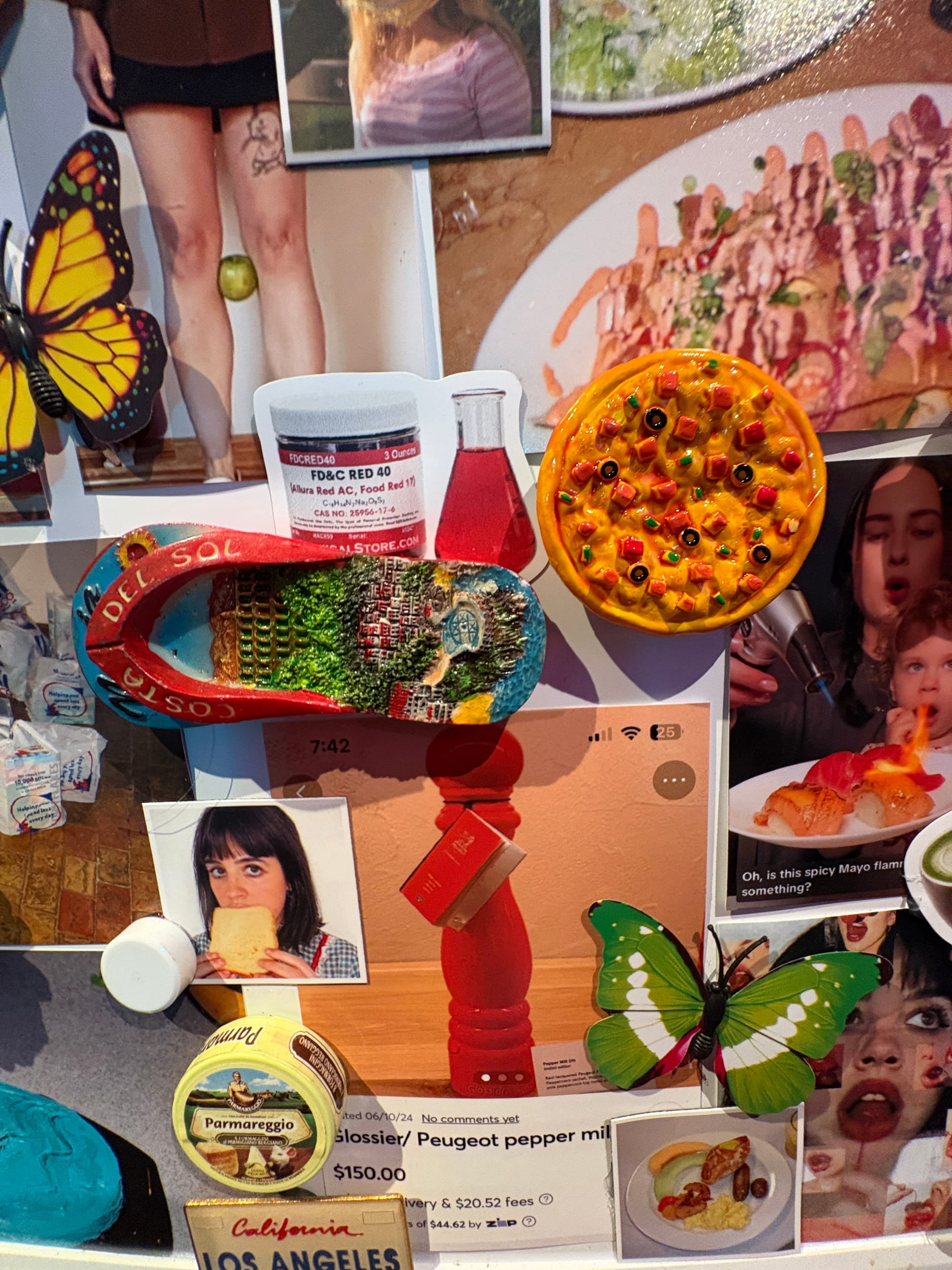
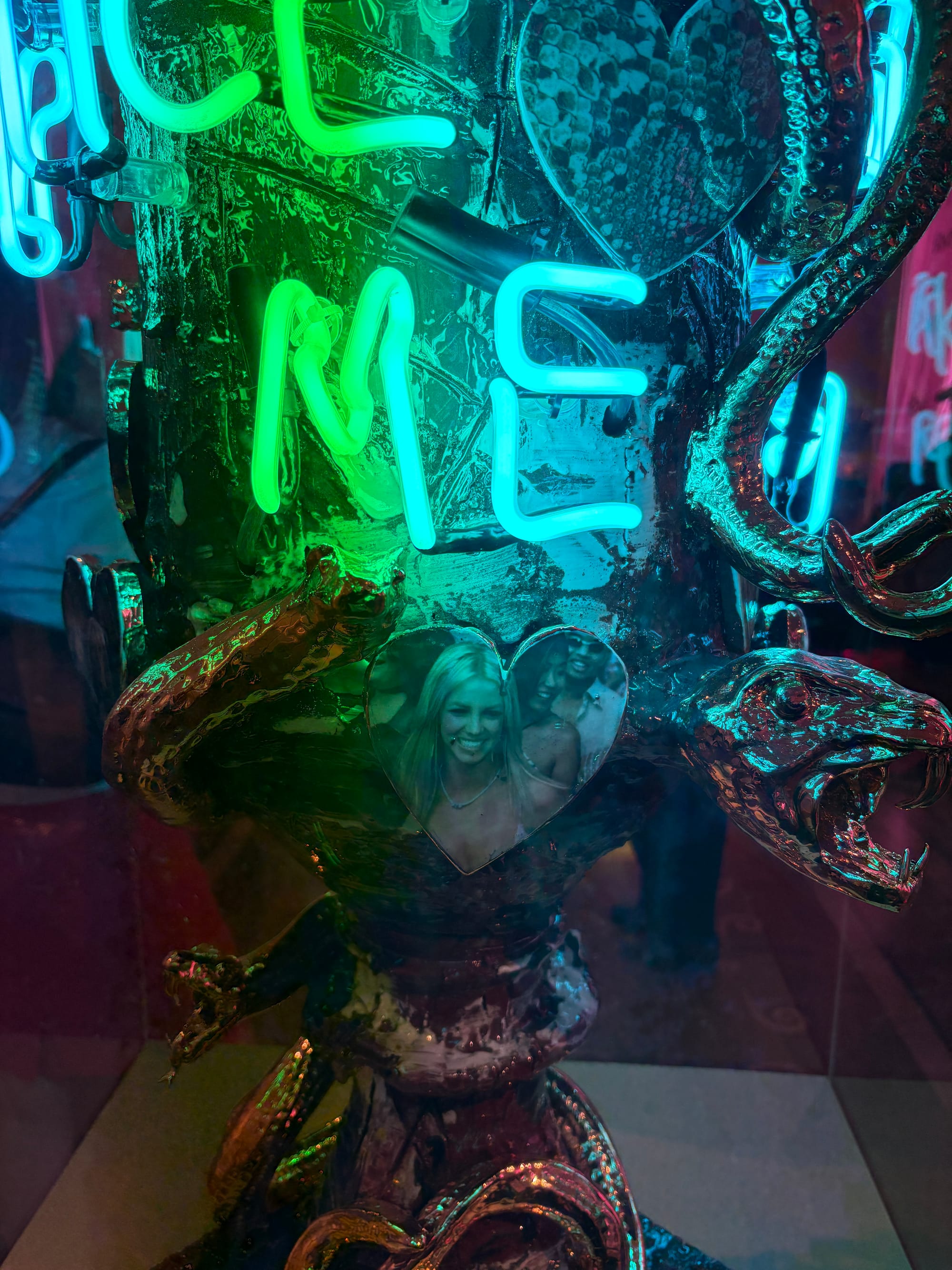
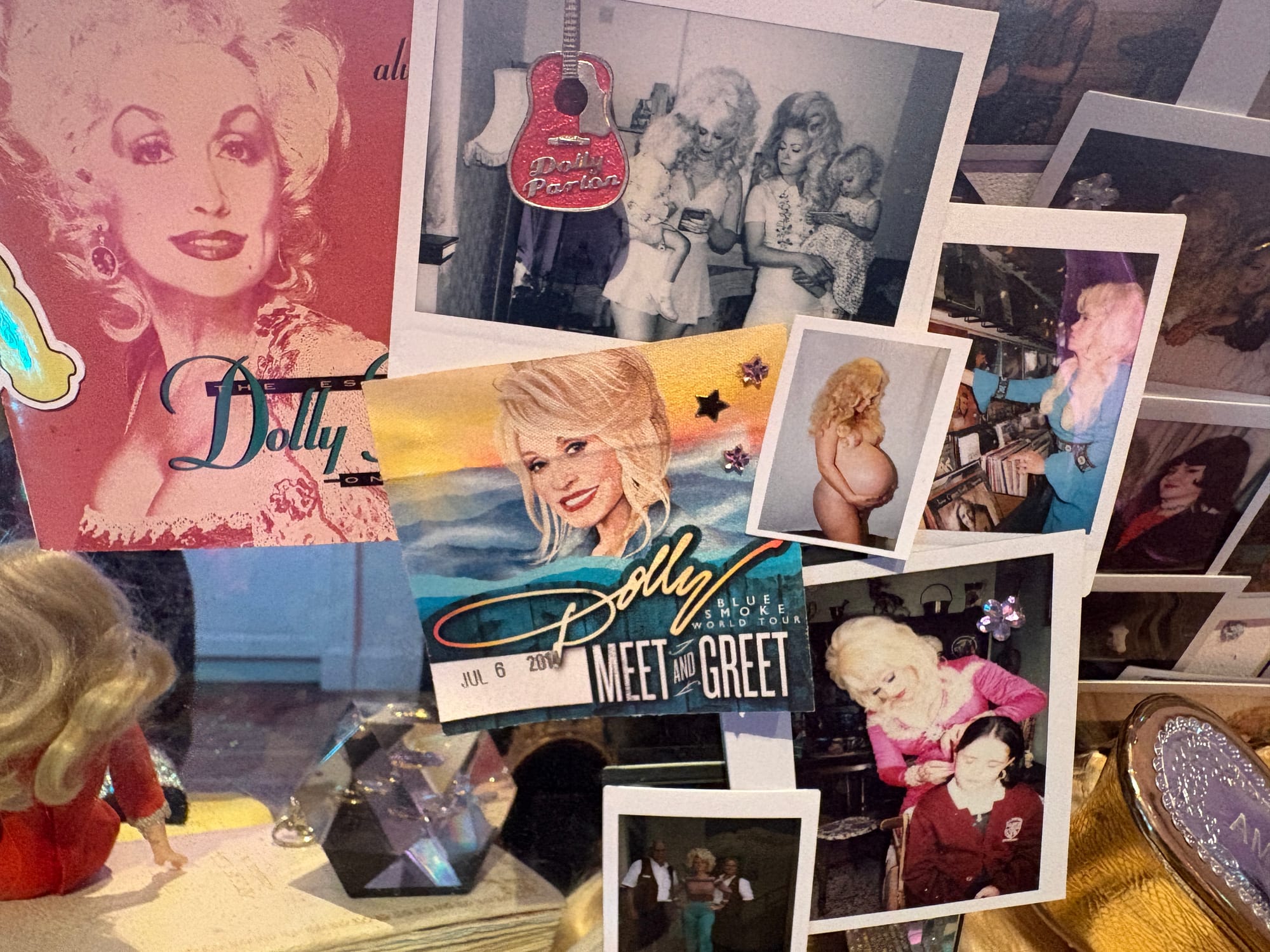
Left: Molly Soda. Centre: Connor Coulston. Right: Dolly Parton shrine, all at Holy Pop!
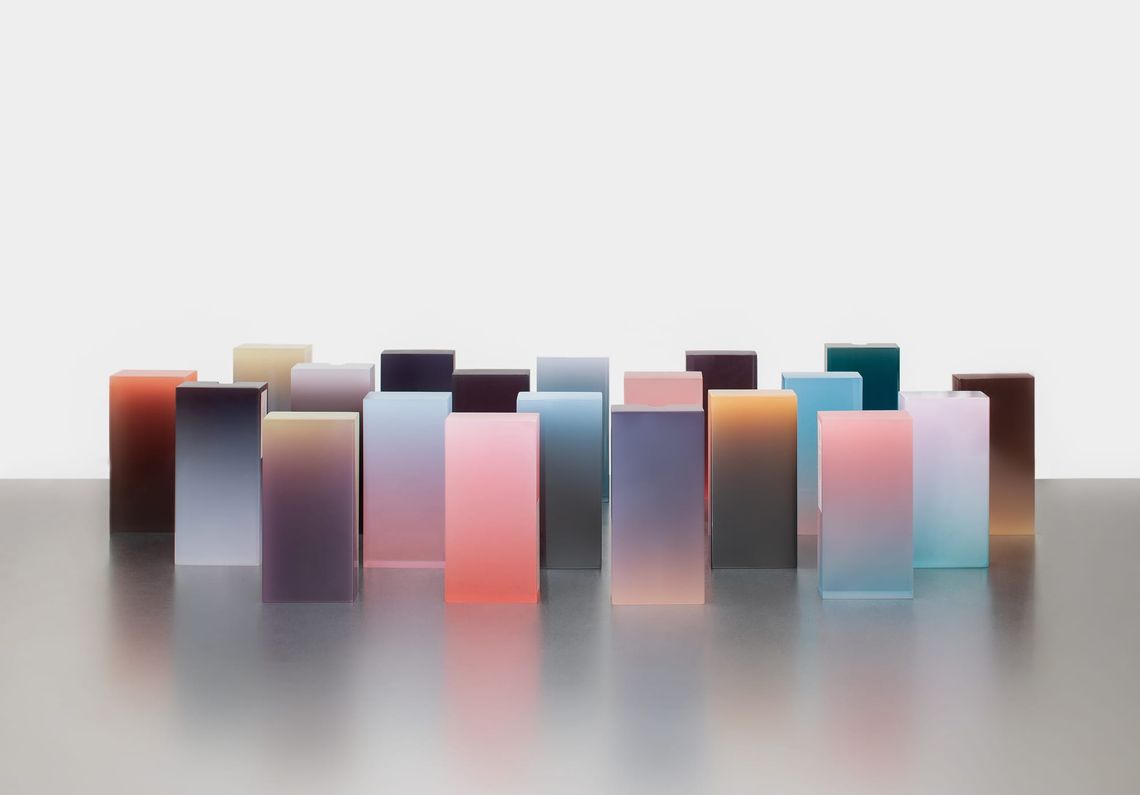
Beyond the show, designers and artists are not immune to the sway of the shrine, often using the idea as a device to comment on feelings of ambivalence about an increasingly digital world. Eindhoven Academy graduate Theun Nouwens paid tribute, not to saints, but to craftspeople, affirming the value of process in contemporary art. Marjolein van der Wal’s Paradise is designed to be an explicit counterpoint to technology and consumption. Instead, the shrine functions as a sort of ‘charging station’ of the soul. And Dutch visual artist Tom Haakman’s Mary’s Digital Embrace is ‘post-sacred iconography,' where shrine statuary is glitched in an unsetting retelling of a religious symbol.
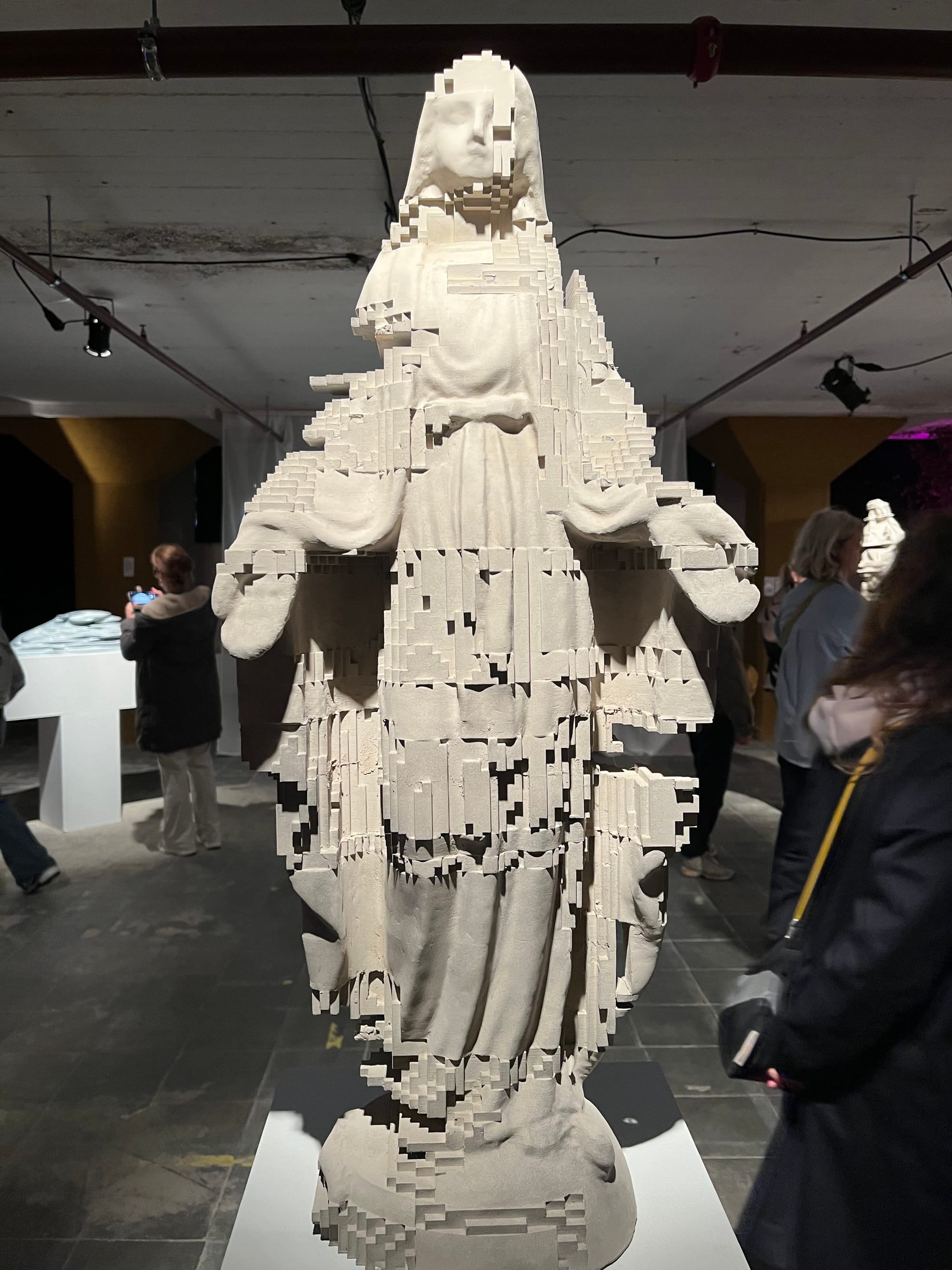
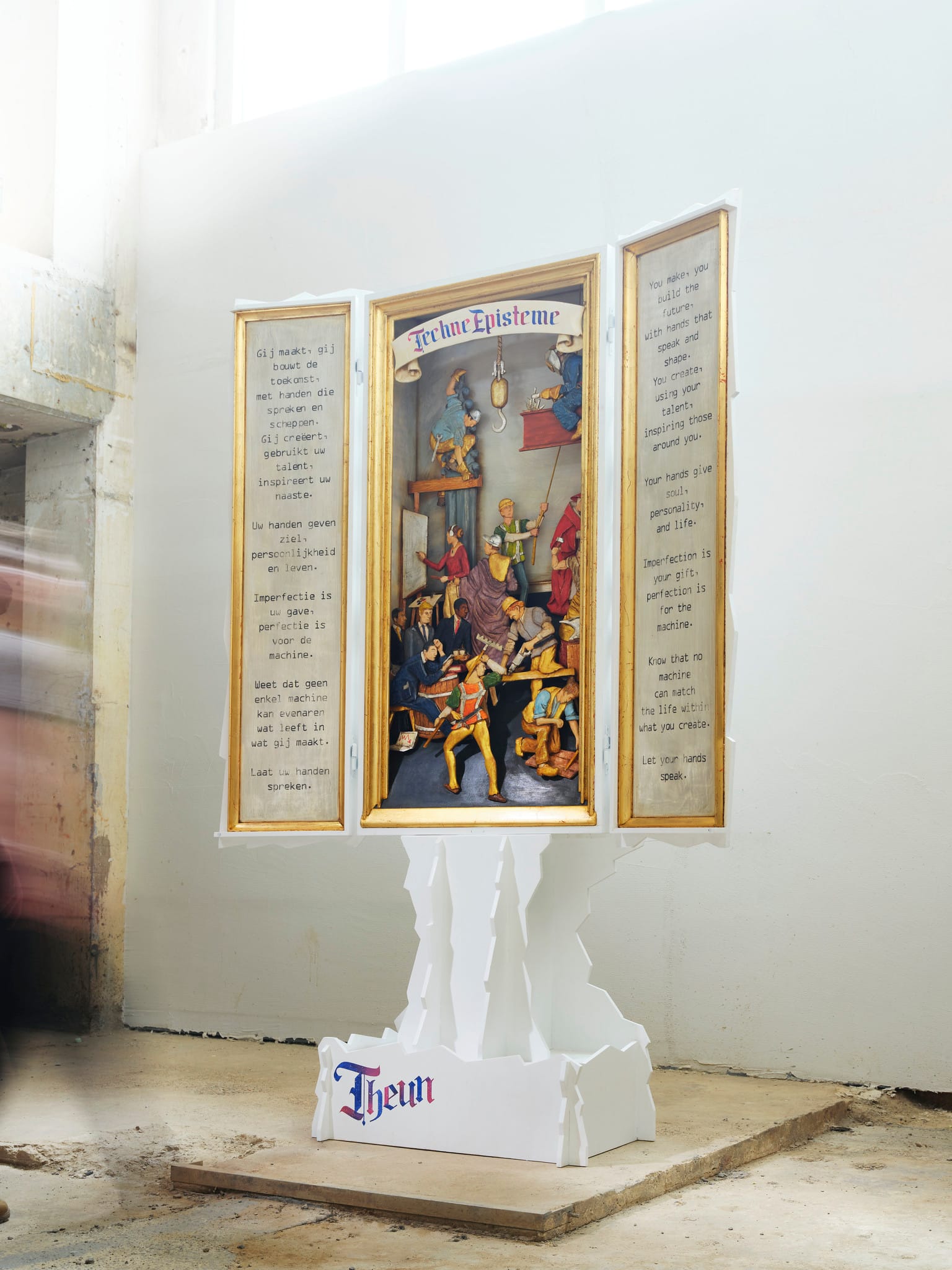
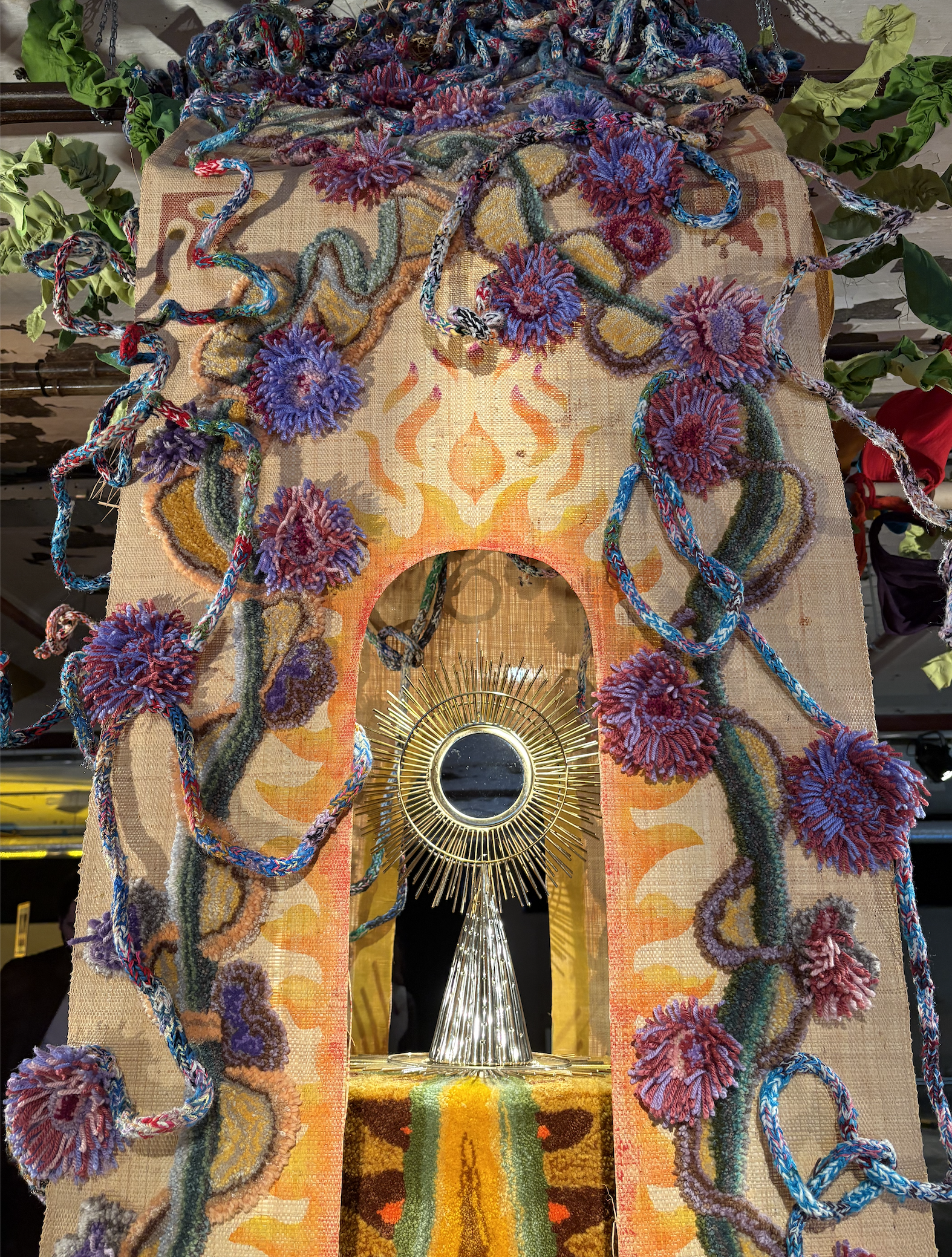
Left: Tom Haakman. Centre: Theun Nouwens. Photo: Carlfried Verwaayen. Right: Marjolein van der Wal.
Modern shrines say much about an ever-present need to connect, take comfort and the power of group experience. As Holy Pop! explains, ‘These acts of devotion reveal a very human need for meaning and belonging.’
Holy Pop! is at Somerset House, London until 9 August.
@theunnouwens
@tomhaakman