Visiting EuroCucina during Milan Design Week felt like an exercise in existential angst. Mixed messages and fragmented colour, materials and finishes reflected a highly fractured market finding its way in a complex time.
It was confusing. There were big status kitchens with monolithic islands and extravagant use of marble and metal. But there were also novelty fridges, mini retro multi-coloured microwaves, stand-alone sideboards rather than integrated storage, and camouflaged hobs. There were outdoor barbecues and stainless steel kitchens that looked like science labs. There was engraved wood, warm copper and bronze. Monochrome jostled with multiple colour palettes. In all this noise it was hard to see any finite patterns.
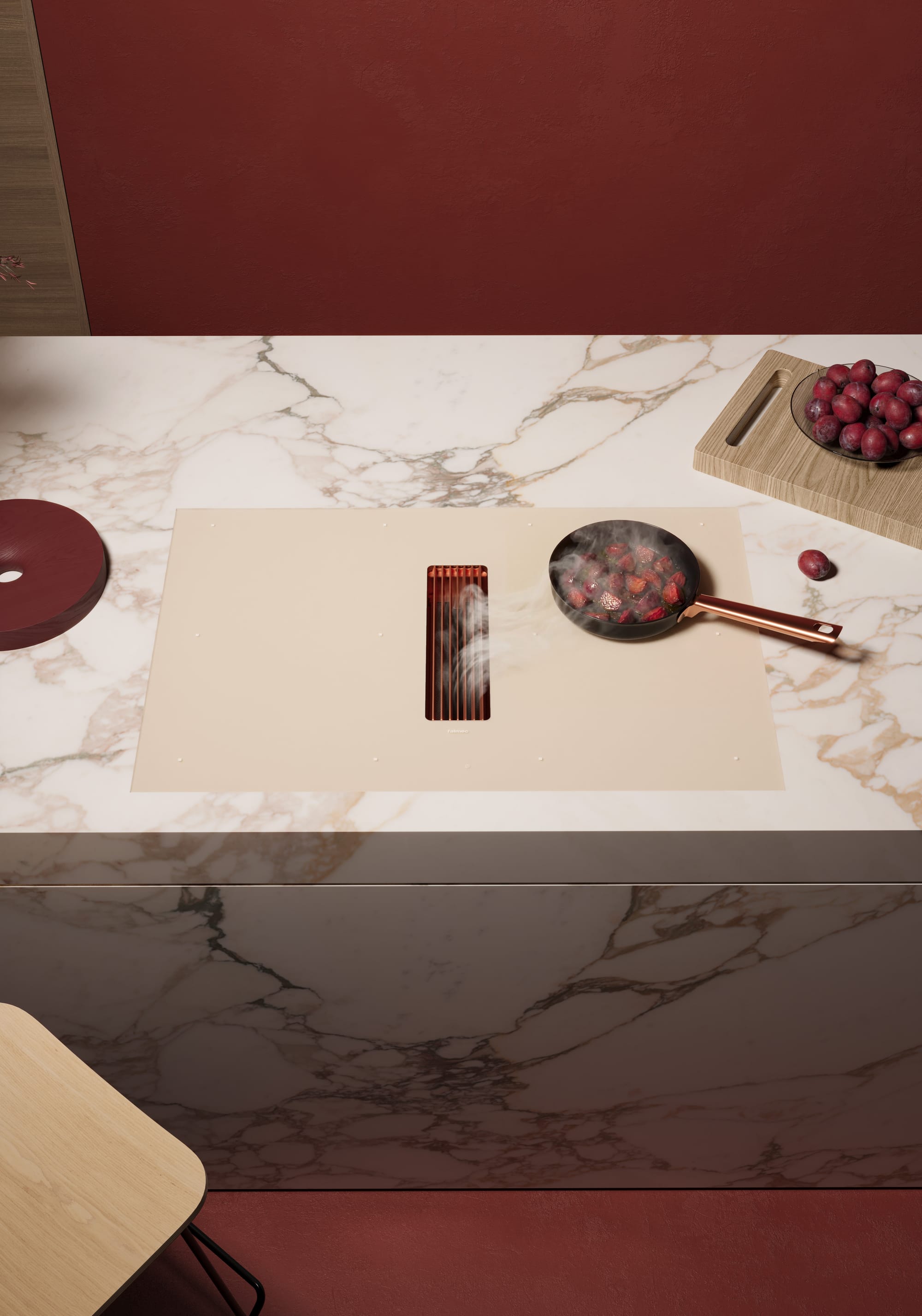
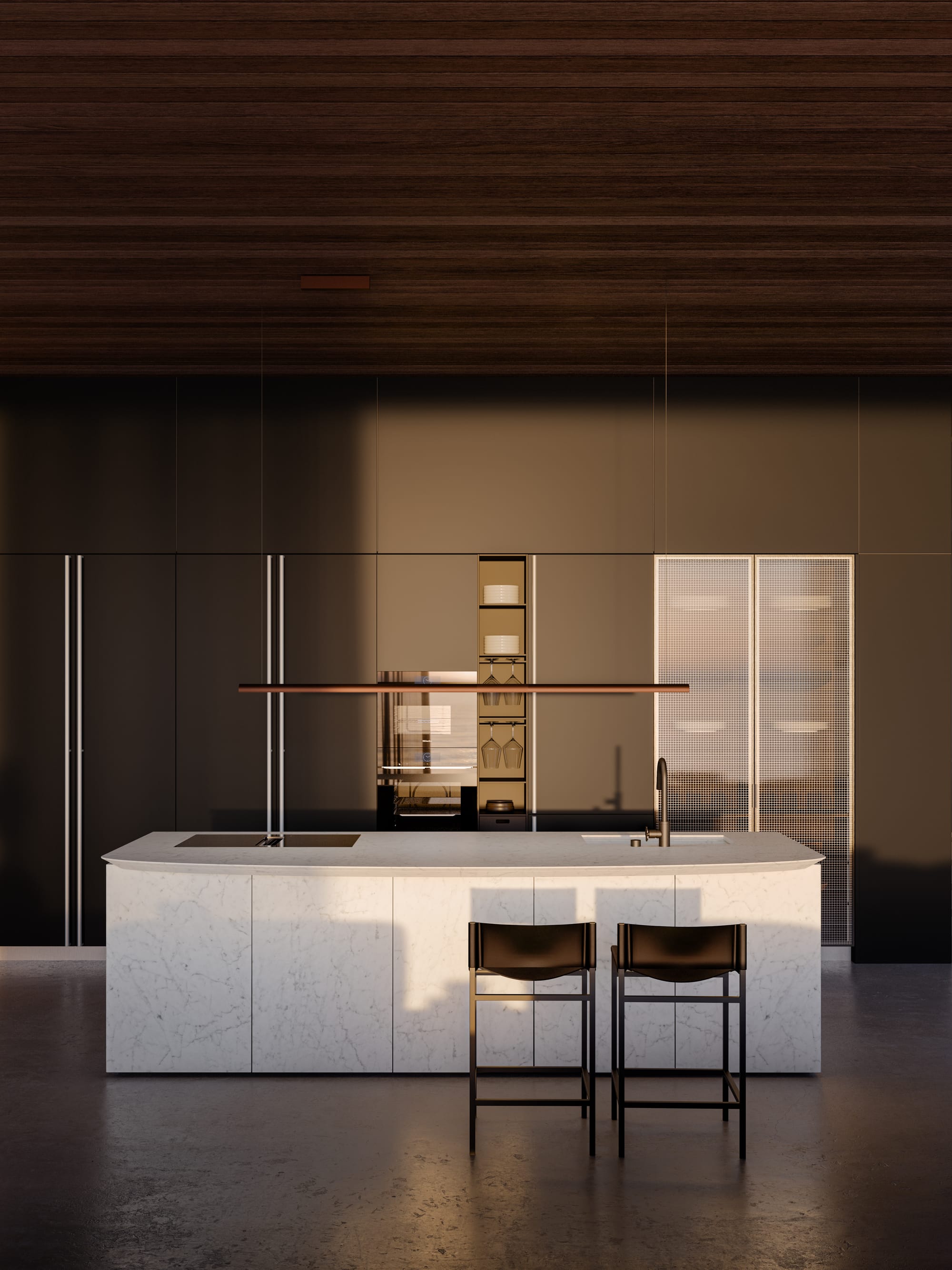
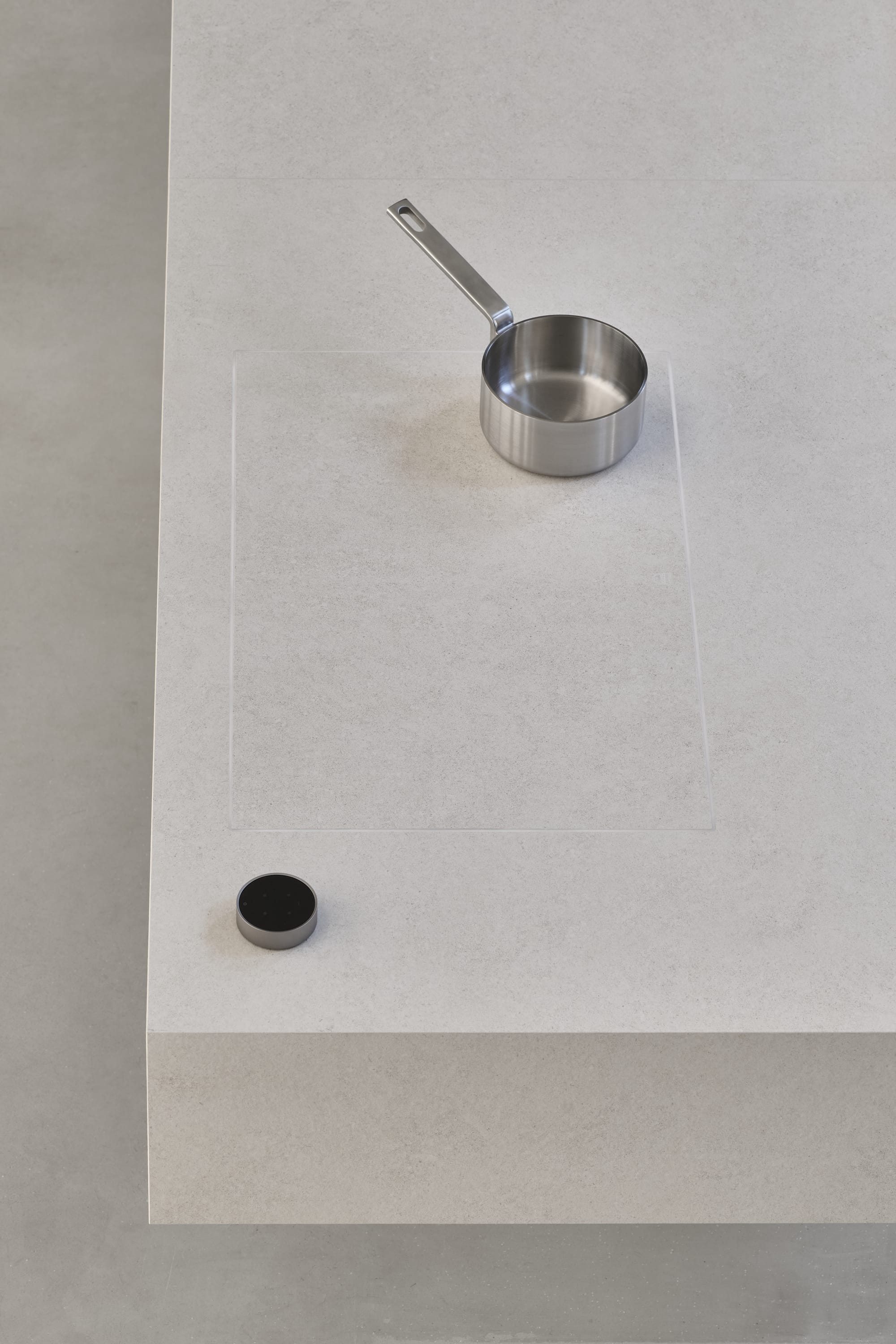
Left: Falmec. Centre: Boffi. Right: V-Zug. Photo @Michela Pedranti, DSL Studio.
This rather incoherent approach may have something to do with the current perception of what a kitchen is actually for. In a report by Häfele, 26 per cent of kitchens were used for socialising and entertaining, 16 per cent to relax, 11 per cent for homework, 10 per cent as an office and 4 per cent as a space to exercise(1). No wonder designers are struggling to pick a lane.
This has led kitchen designers to think in broader terms about where a kitchen starts and ends, adding matching side tables or storage cupboards to current ranges. This clearly targets those looking for continuity in open plan living-dining-cooking spaces. This was spotted at Scaviolini, Abimis and Nobilia. It may also have been an underlying reason why many designs effectively set out to disguise appliances, transforming islands into tables at the flick of a switch.
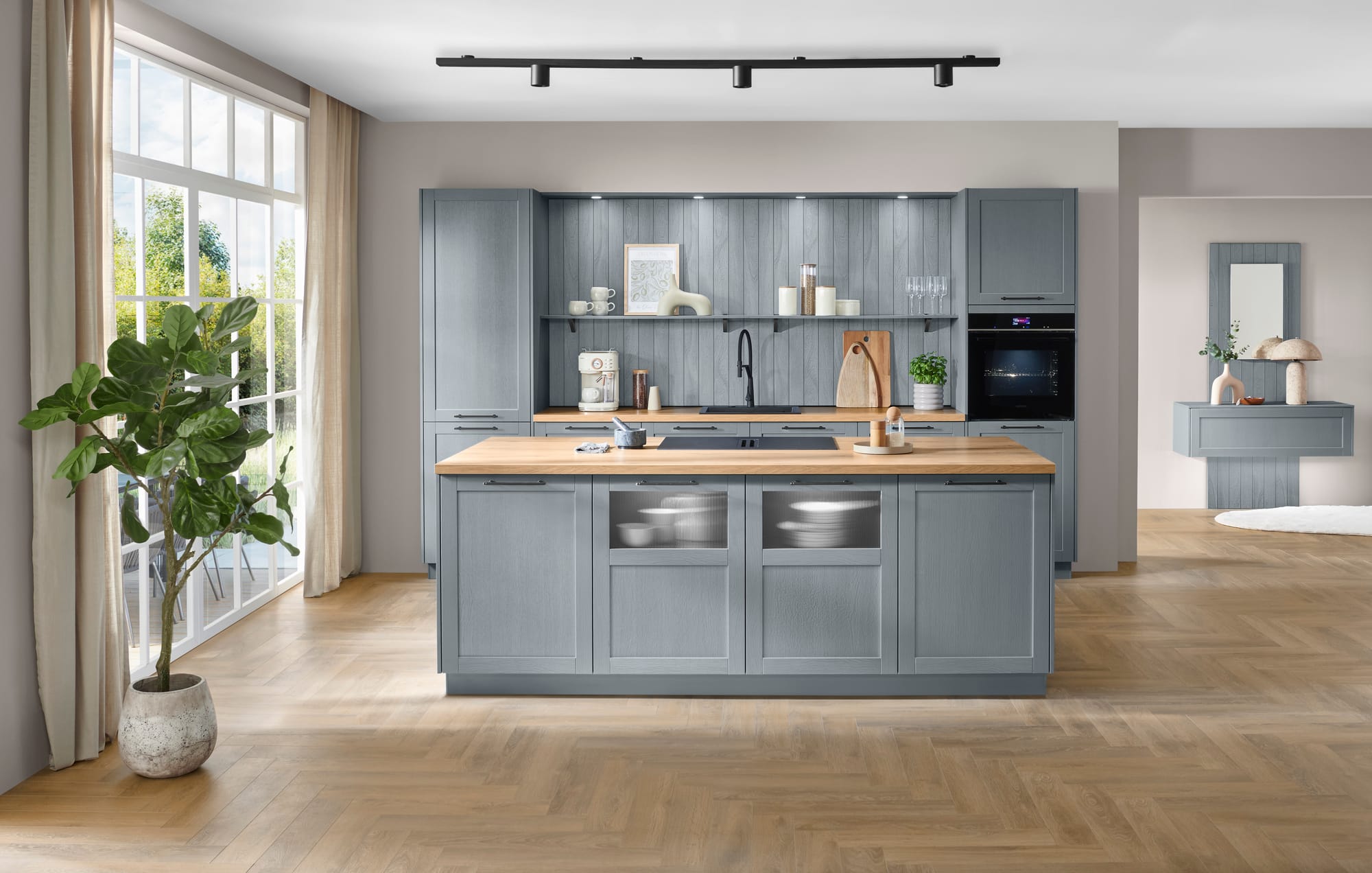
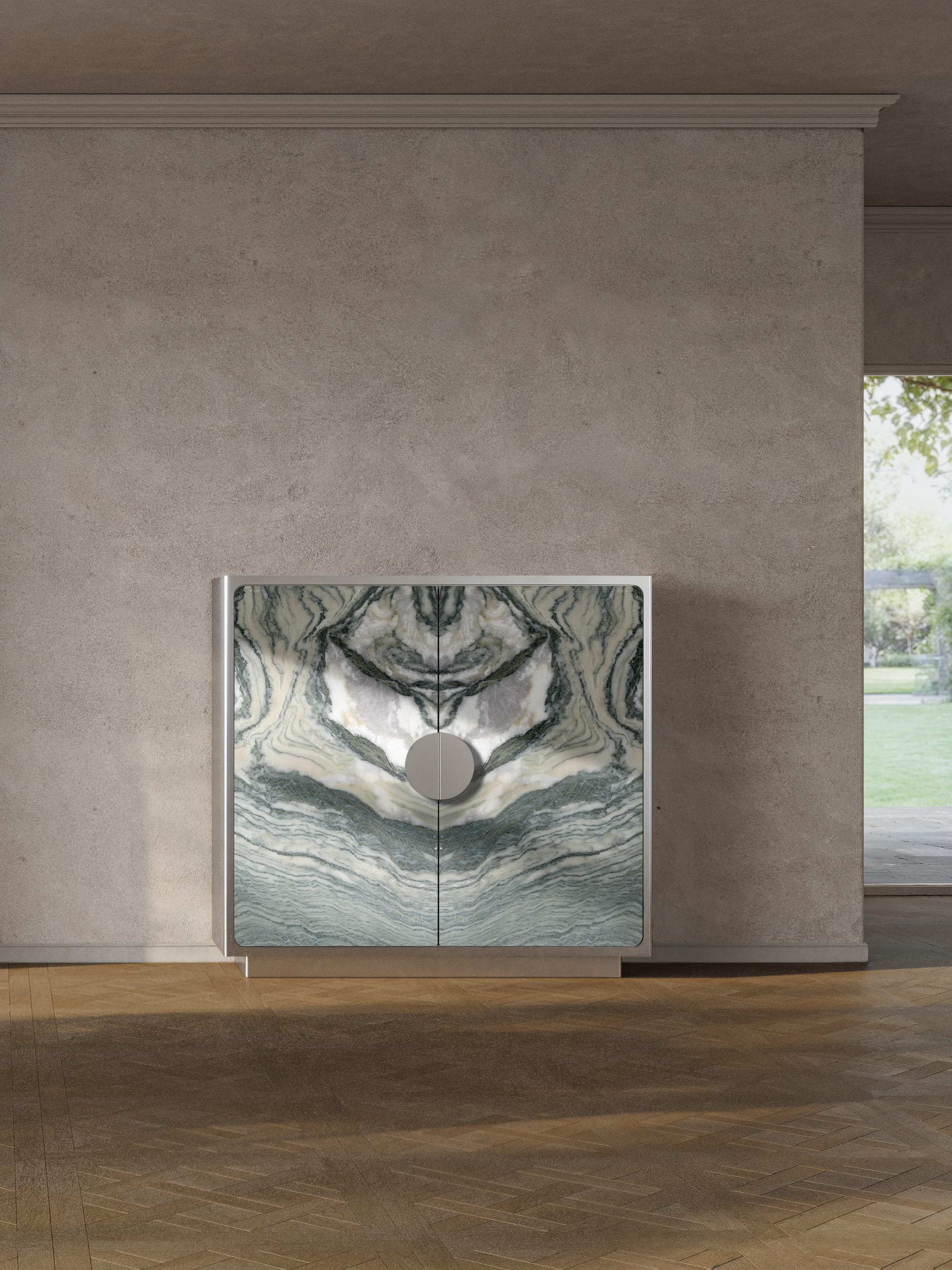
Left: Nobilia Right: Abimis.
Our relationship with food has also had an impact. Many cite being too busy to cook at all; in the UK alone, food delivery is worth an estimated £14.3 billion (2025) (2). For these sorts of consumers, it’s all about reinventing small 3-in-1 appliances with retro looks, as spotted at Smeg. Micro kitchens are another popular theme addressing the very real need for solutions to tiny urban apartments (often the size of one of those luxury islands). But the big kitchen isn't dead, it's just that it may no longer be for oligarchs but more for group cooking. According to property agent Savills, there were 9,000 co-living units submitted, and 6,200 permissions sought in the UK alone (3). That’s a lot of communal kitchens.
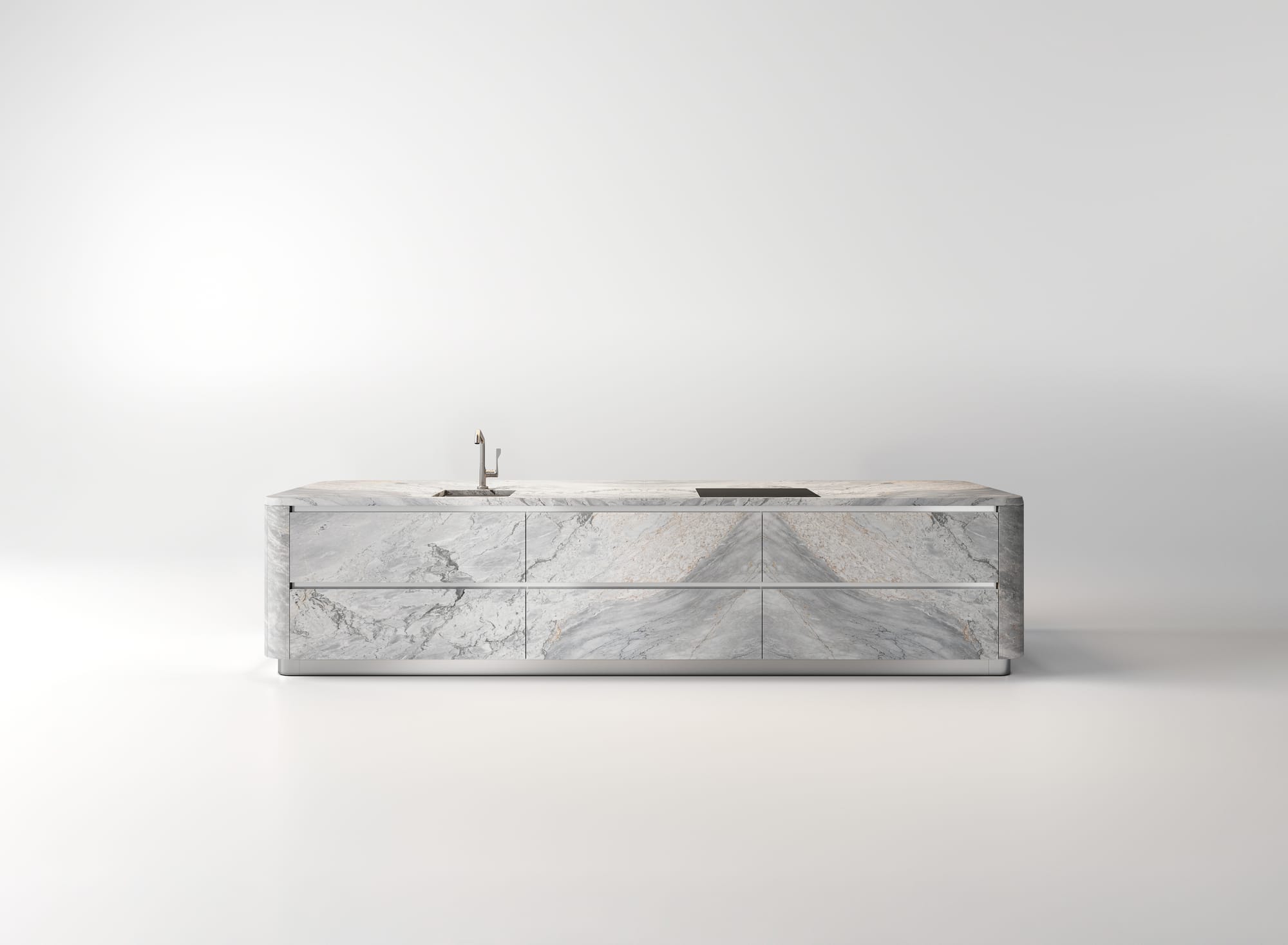
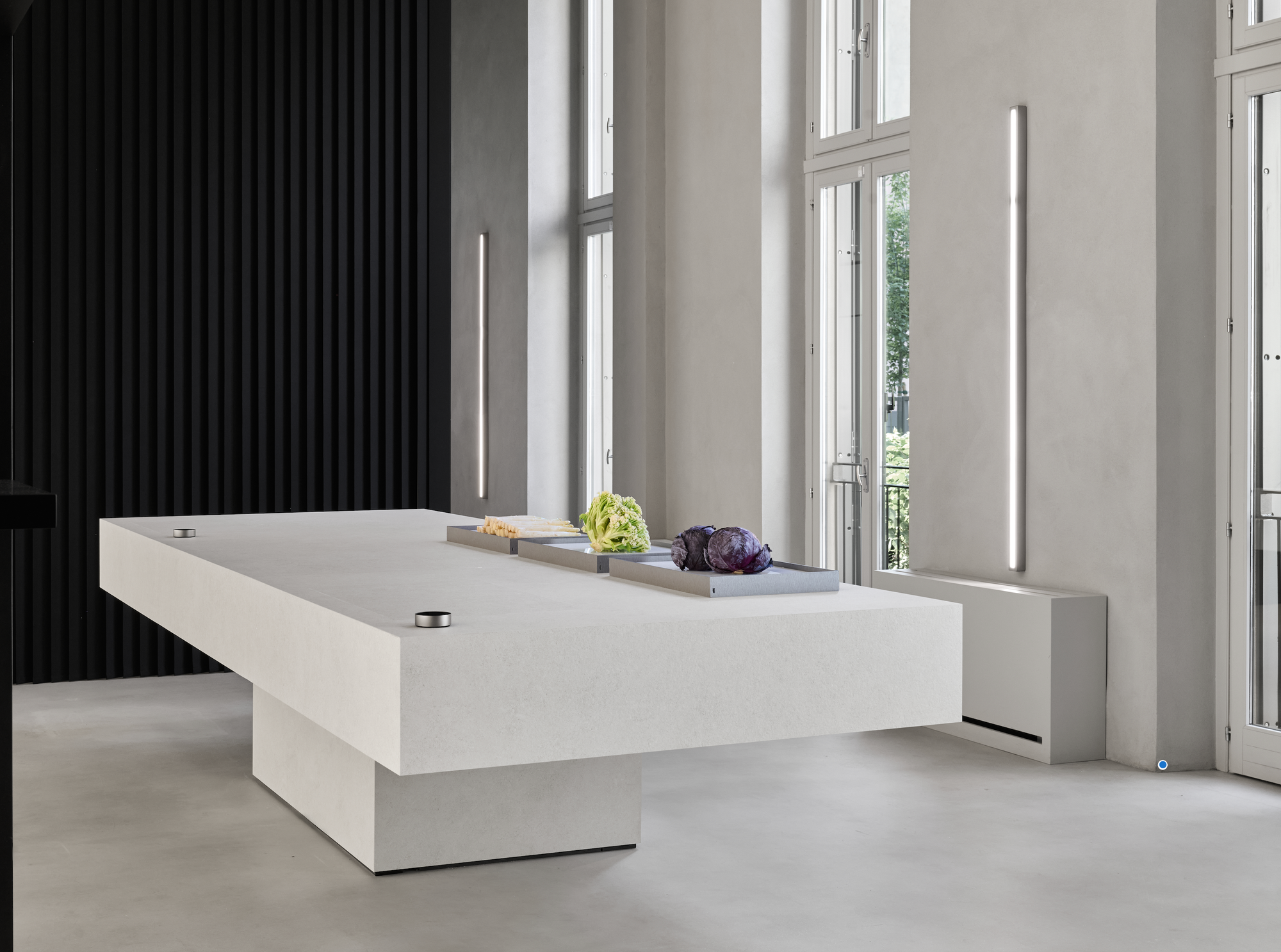
Left: Arclinea. Right: V-Zug Photo @Michela Pedranti, DSL Studio.
Healthy eating, macro nutrients, and the endless quest for protein and now fibre have made food less a pleasure and more a science project. Perhaps this is why some kitchens looked like mini-laboratories. Somewhere to keep all those air fryers, digital scales, Nutri bullets and piles and piles of vitamins (it feels like it’s only a matter of time before we have vitamin rather than spice drawers).
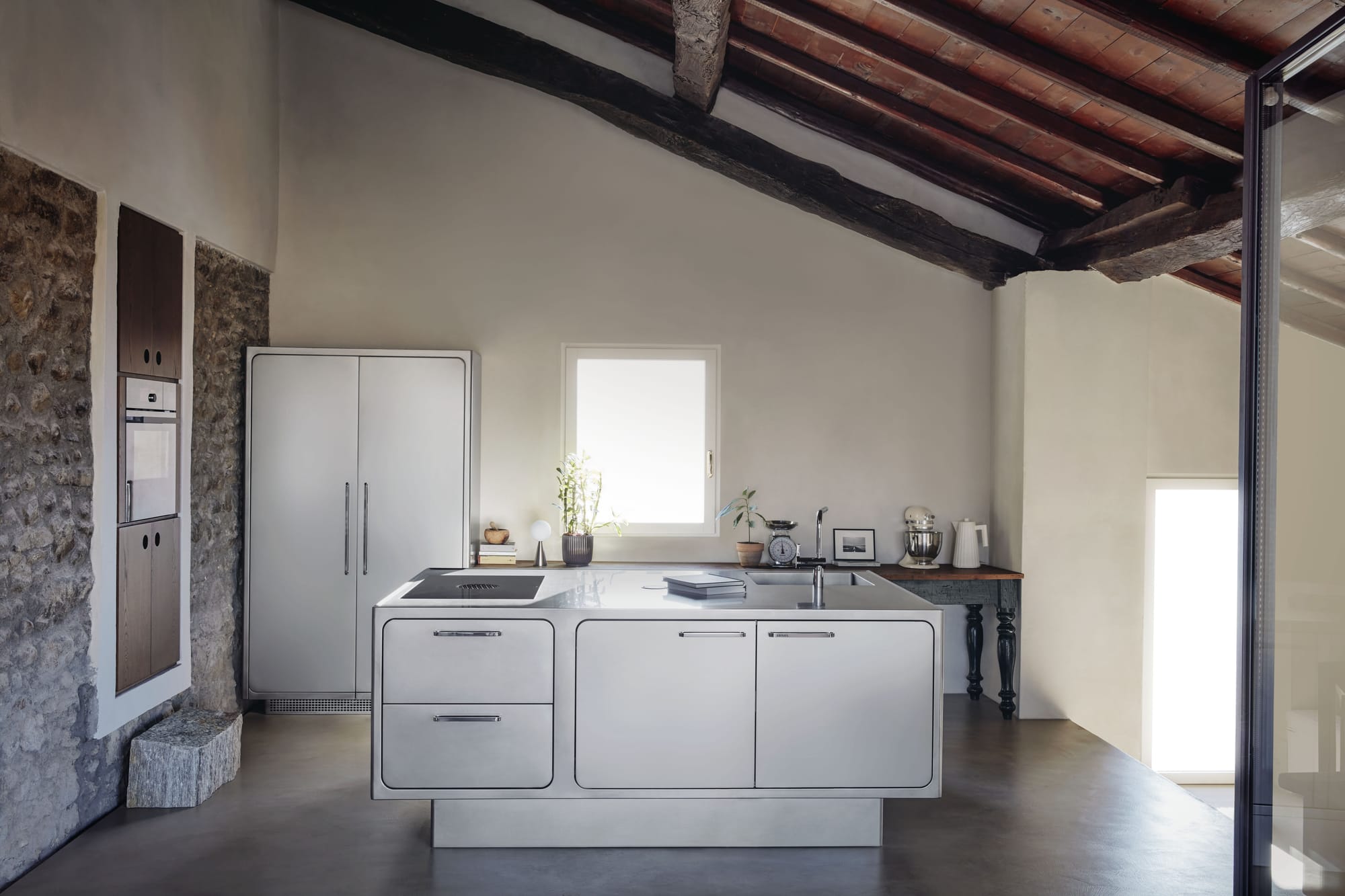
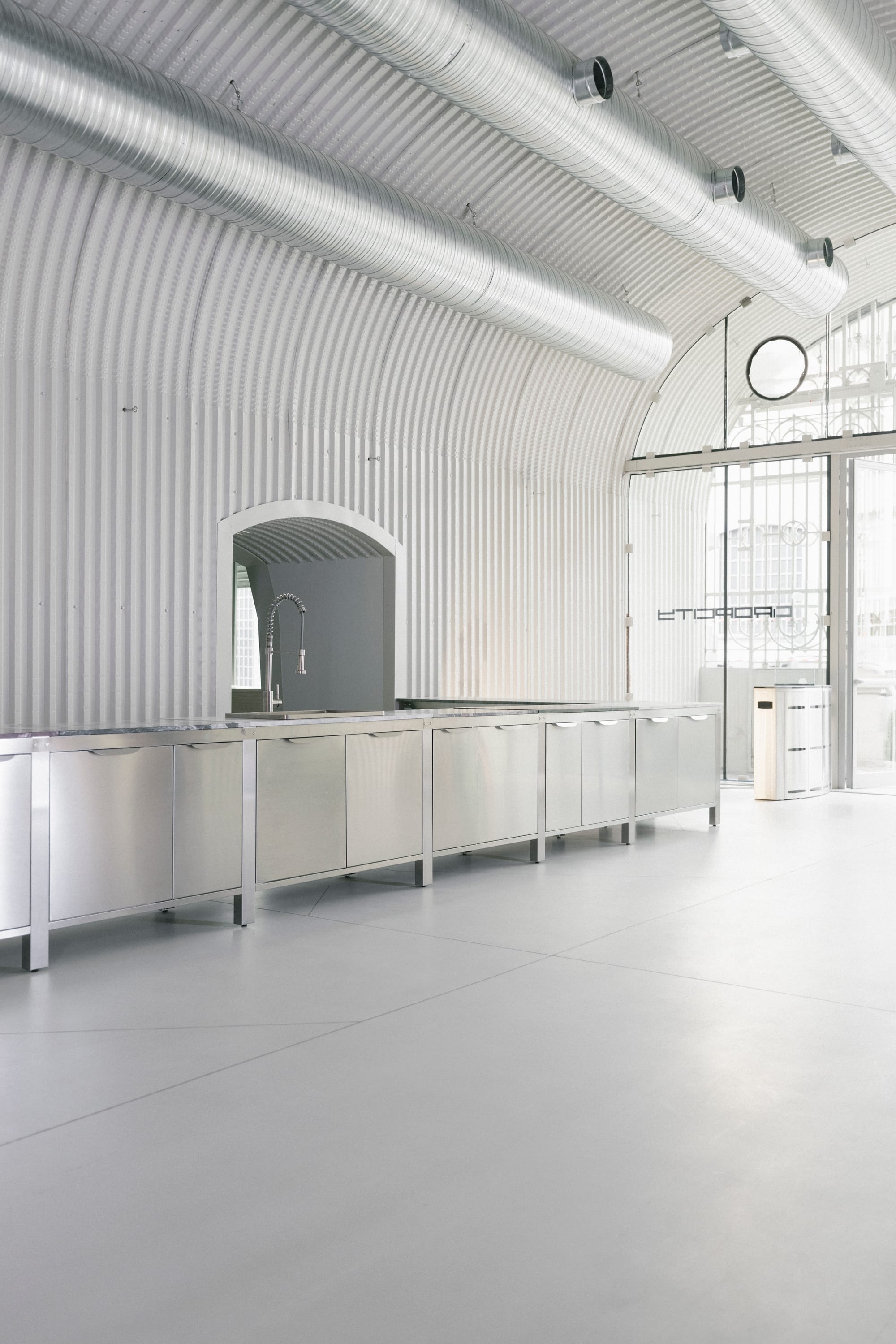
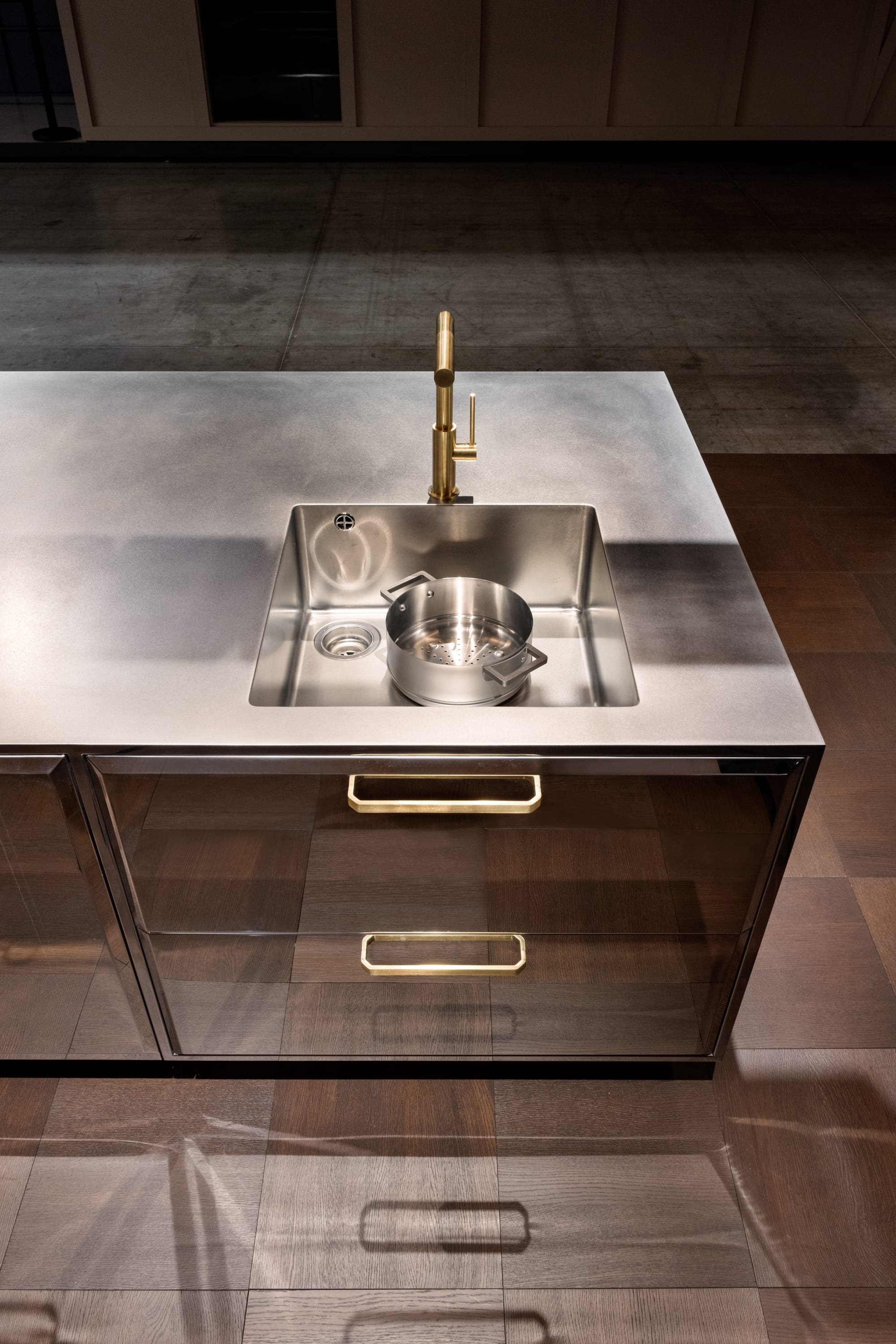
Left: Abimis x Alberto Torsello. Centre: Very Simple Kitchen. Right: Abimis.
The sheer breadth of application meant that colour and surface treatments were hard to pin down. There was teal, pale yellow, terracotta, sage green and forest green, minimal white, warm metal and stainless-steel finishes. There was dark wood, light wood, faux and real marble. Literally all tastes were catered for, variety was king. Viewing this show, it felt like drawing finite lessons on future directions was nigh on impossible to do with any accuracy. But maybe that was the big message, that the overarching trends of the past simply no longer resonate.
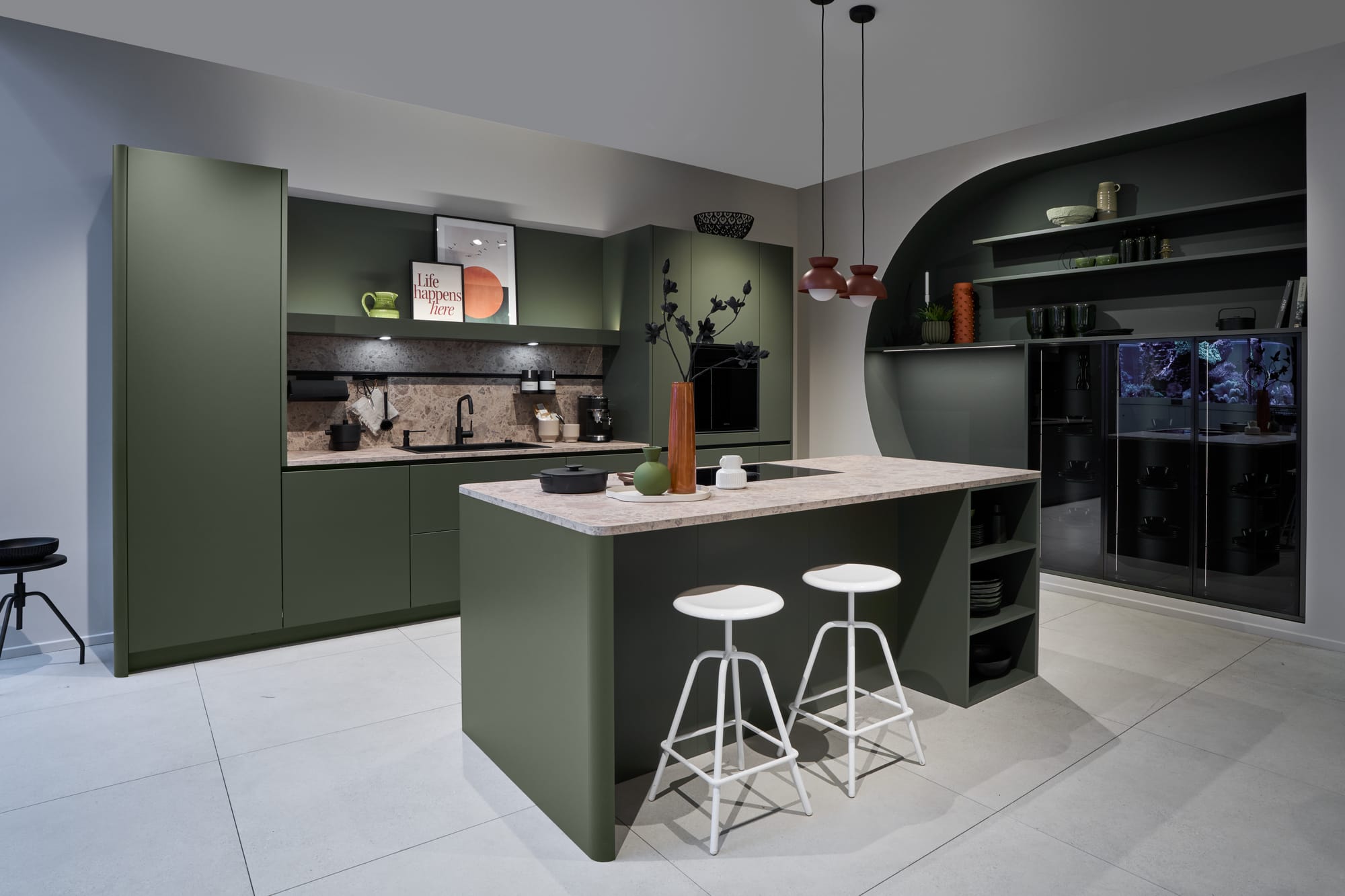
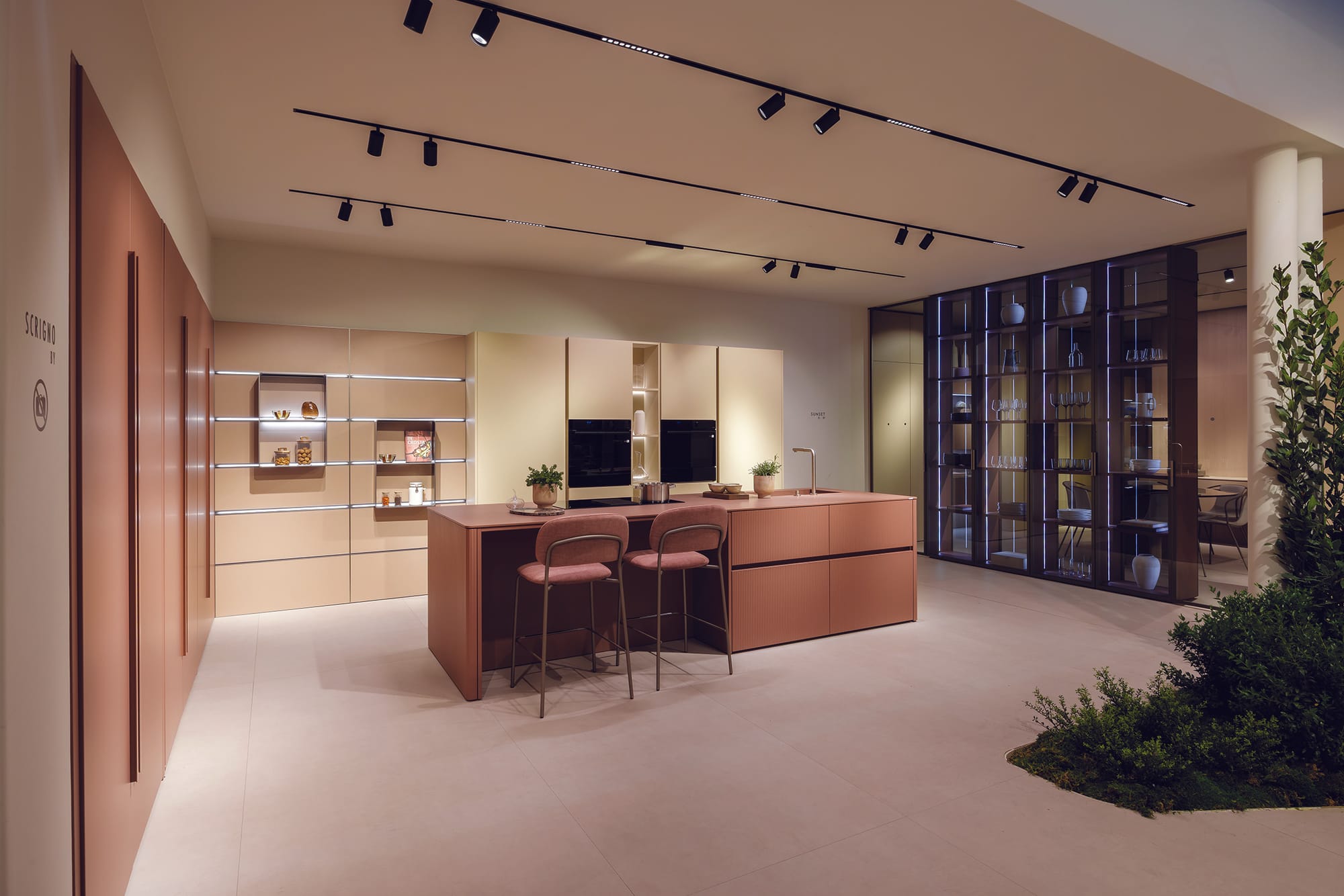
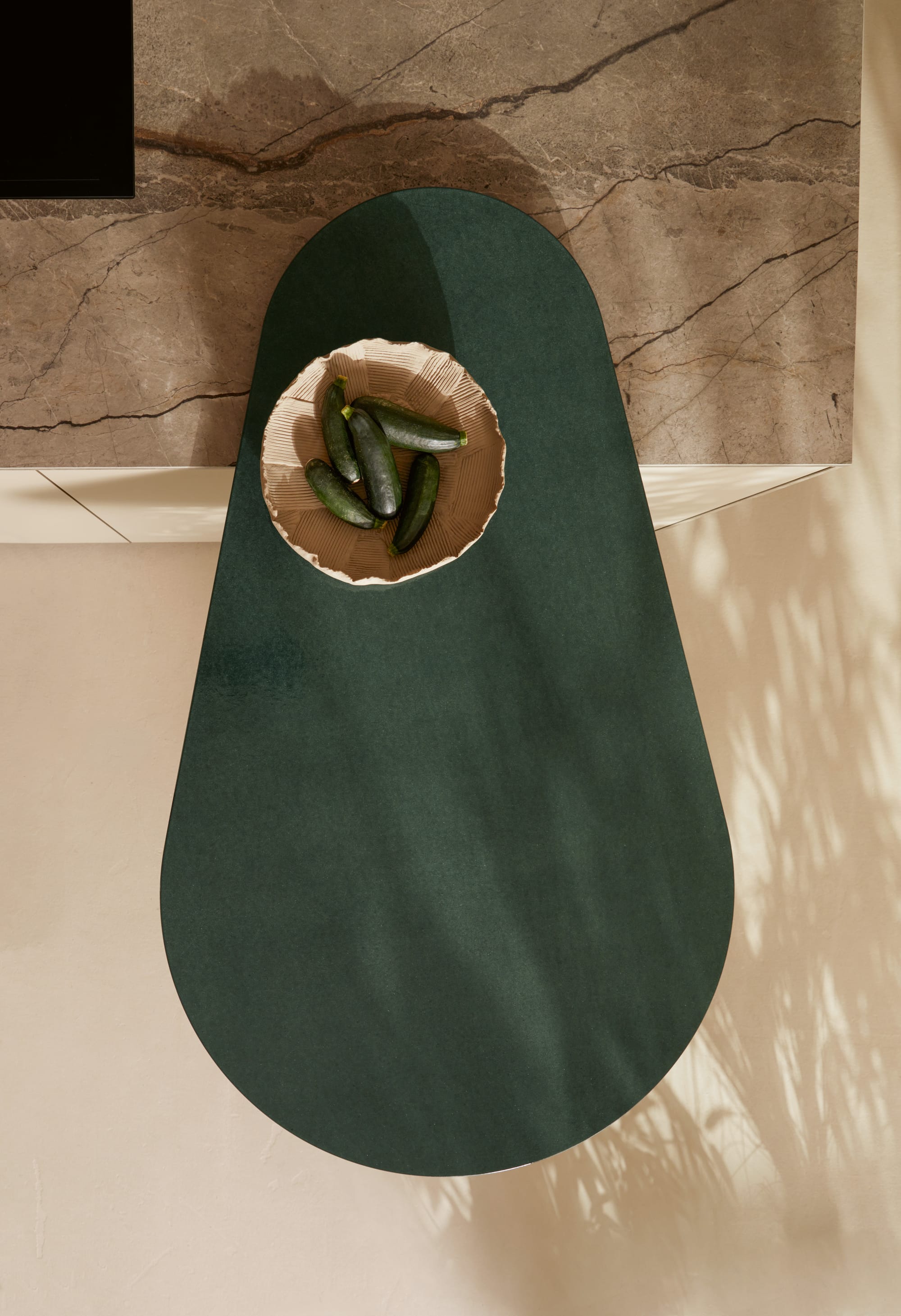
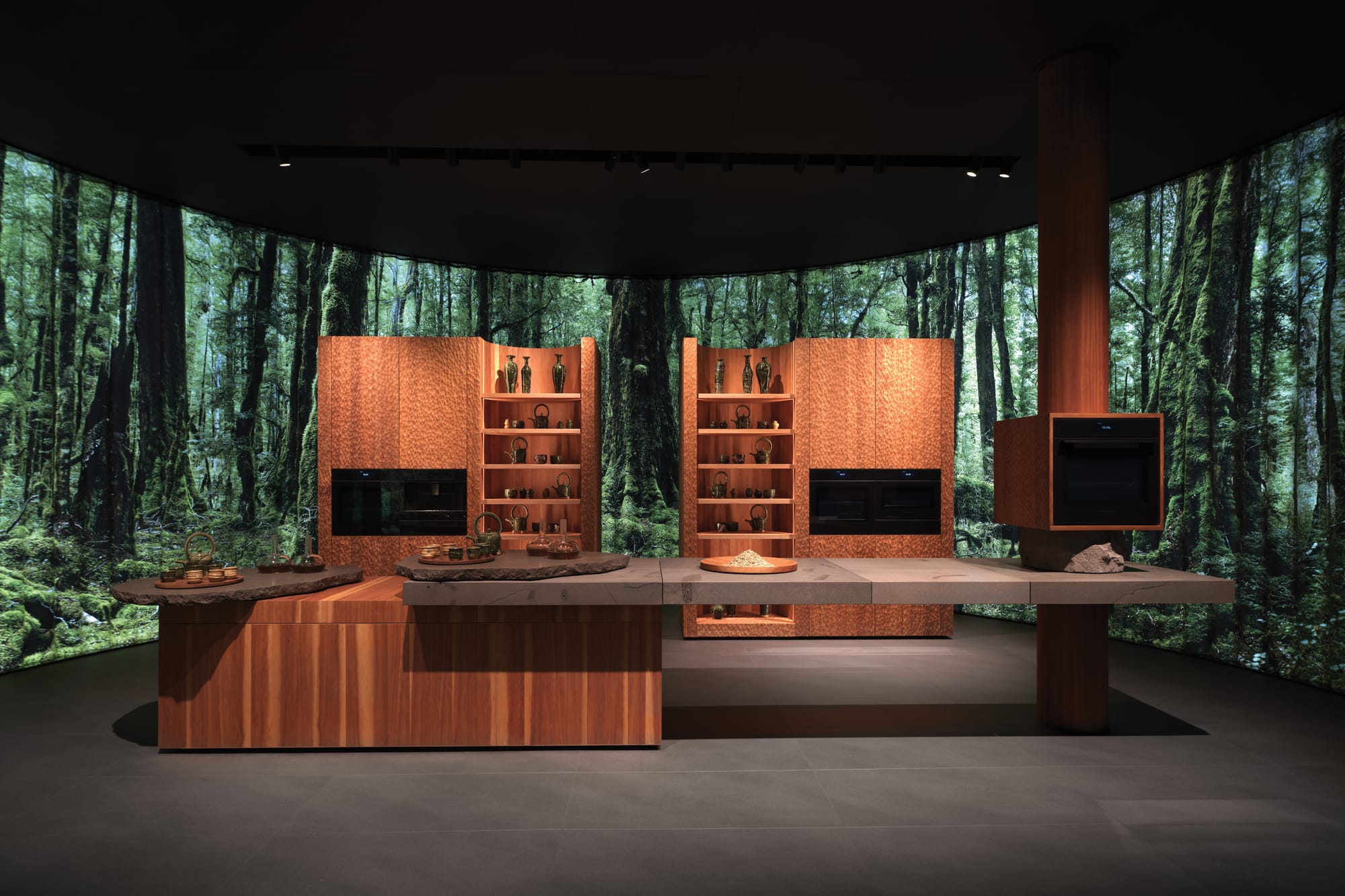
Top Left: Häcker. Top Right: Veneta Cucine. Bottom Left Next 125. Bottom Right: Fisher & Paykel.
Sources 1. hafele.co.uk/en/info/about-haefele/latest-news/compact-living-report/187529/ 2. https://www.lumina intelligence.com/blog/foodservice/uk-food-delivery-market-growth-share-size-statistics-2025/. 3. 2024.